A “rattling” observed in the crystal structure of cesium lead iodide perovskites is thought to be the long sought-after answer to as to why the material is so unstable.


A “rattling” observed in the crystal structure of cesium lead iodide perovskites is thought to be the long sought-after answer to as to why the material is so unstable.

Researchers explore an alternative, green supercapacitor concept that relies on seawater and carbon fibers derived from waste cotton.

Addressing the negative environmental impacts caused by fossil fuels and conventional refrigerants requires alternative and sustainable cooling solutions.

Microalgal biorefinery has emerged as one of the sustainable solutions for the production of biofuels and biochemicals. However, there are still some difficulties to be solved.

Engineers find a neat way to turn waste carbon dioxide into useful materials for industrial products like fuel and plastics.

Implementing fully-inverter-based power systems on a large scale may be possible using wind and solar power.

A new filter structure that expands and contracts as moisture levels change provides the first steps in create humidity-responsive smart windows.

Zinc metal batteries built using a novel hydrogel electrolyte show remarkable performance and processability, making them suitable for the next generation of wearable energy storage devices.

Experiments find the sweet spot for surface area and bubble trapping to create more efficient water-splitting devices.
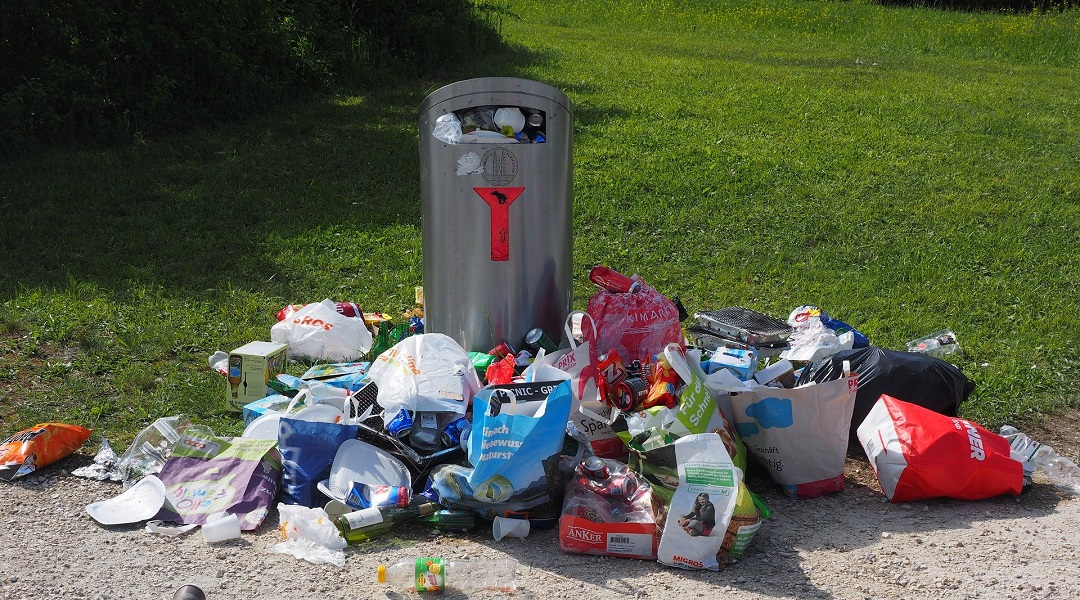
Chemical transformation of waste plastics into value-added chemicals can be a convenient avenue to supplement current recycling processes.

 Micron-sized hidden dimensions could solve two of physics’ deepest puzzles
 Turning Periods into Power: Menstrual Blood a Valuable Resource for Medical Diagnostics
 Bone loss in obesity traced to gut microbiota
 Surfactants Steer Supraparticle Structure
 Edible electronics realize safe, complex monitoring devices
 Fermilab Confirms Muon g-2 Measurements