Researchers have developed an innovative method to make advanced coating materials for “smart” sub-ambient radiative cooling in large-scale building applications.


Researchers have developed an innovative method to make advanced coating materials for “smart” sub-ambient radiative cooling in large-scale building applications.
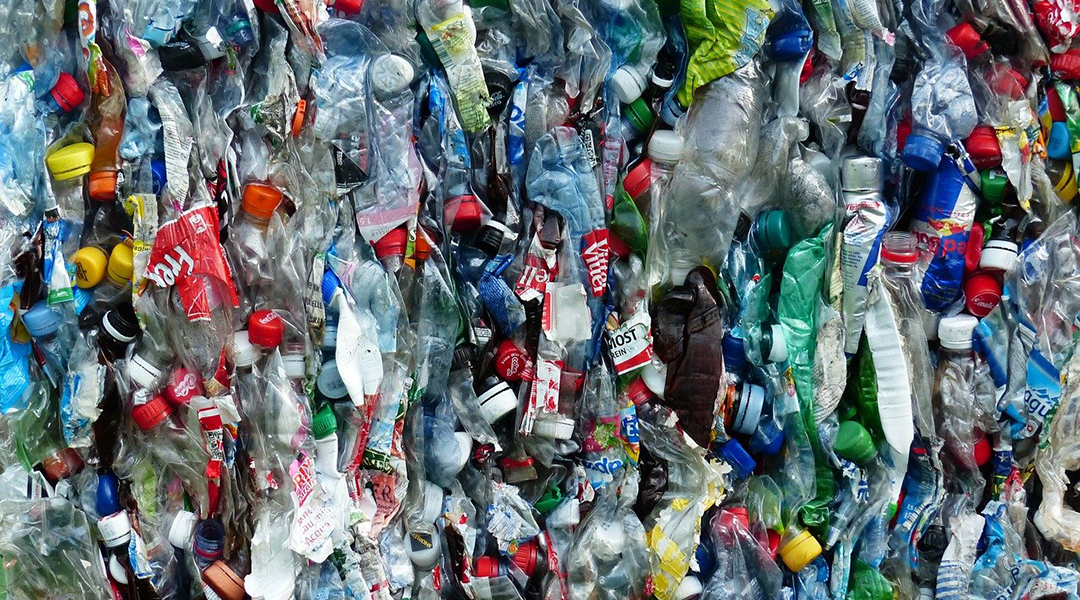
Researchers develop an efficient, low-energy method for upcycling polyethylene plastic waste into valuable molecules that can be repurposed for further use.

Peatlands are among the most valuable ecosystems on Earth but when damaged are a major source of greenhouse gas emissions.

New research is uncovering the importance of small predatory species in shaping ecosystems and managing threatened populations.

Lightweight but tough, bamboo is the hope for a more sustainable life and future for our planet.

Some species of butterfly rely on shade to regulate their body temperature when it gets too hot.
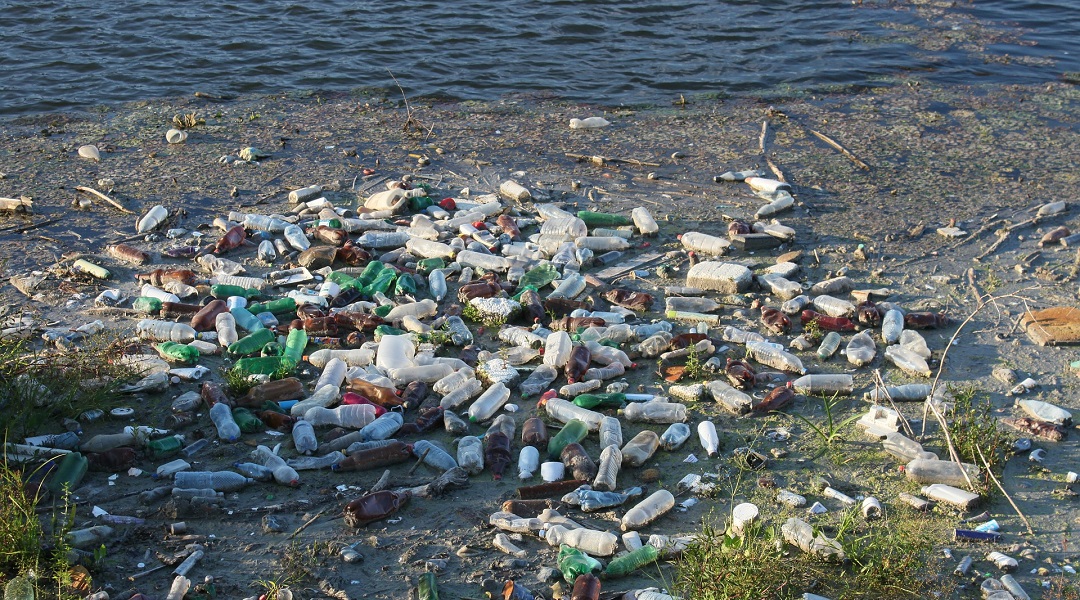
Czech researchers developed self-propelled microrobots that decompose complex solid pollutants, such as single use and disposable textile fibers.

Whilst large-scale volcanic activity has been responsible for huge temperature rises millions of years ago, human-made climate change is happening at a far faster rate.

An extensive study shows that the fragile Arctic landscape is changing right before our eyes. While we cannot stop the transformation, we can mitigate its effects if we reduce greenhouse gas emissions and slow climate change.
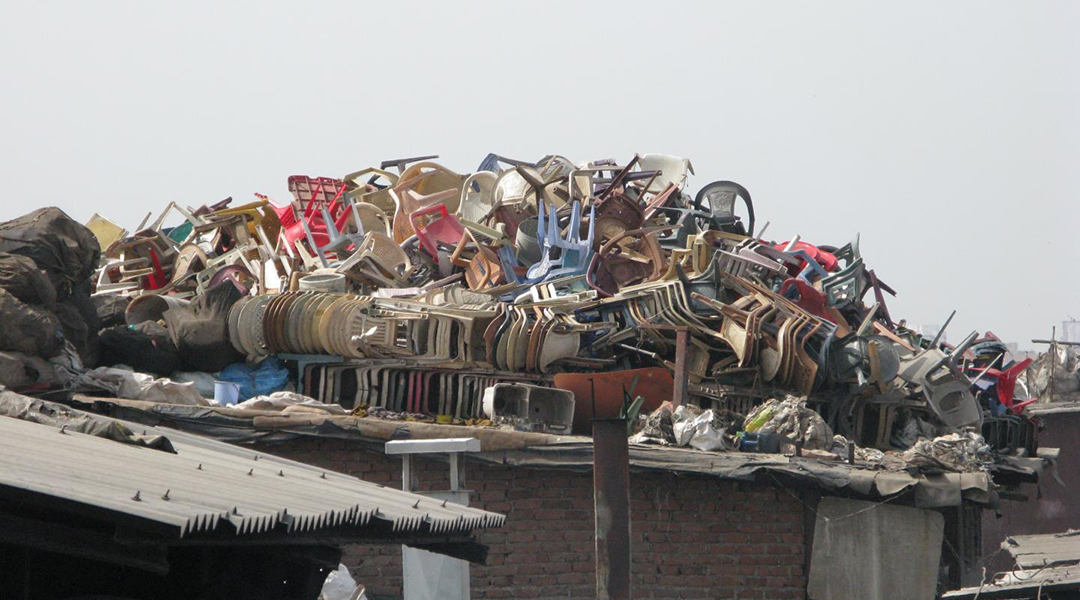
Unless growth in plastic production and use is halted, a fundamental transformation of the plastic economy to a framework based on recycling is essential.
 New theory suggests gravity is not a fundamental force
 Higgs boson may be driving the Universe’s expansion
 Water-powered gadgets may be on the horizon thanks to new evaporation-based energy device
 Scientists discover a new class of antibiotics
 Micron-sized hidden dimensions could solve two of physics’ deepest puzzles
 A new type of dark matter could explain mysterious radiation from the Milky Way’s core