A molecule-thick material is opening doors for the advancement of flexible and recyclable organic solar cells.
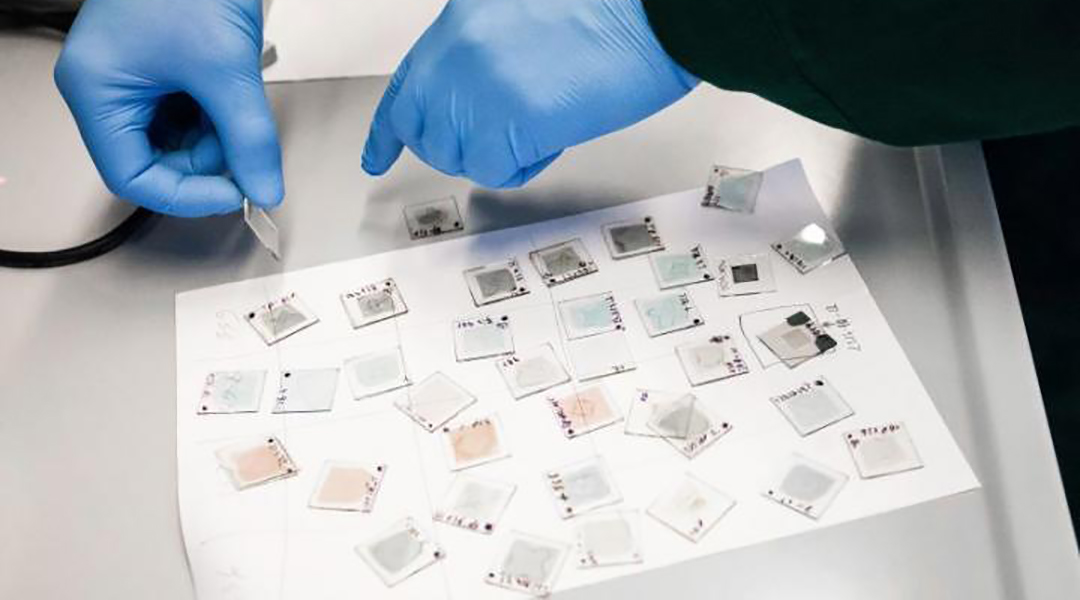

A molecule-thick material is opening doors for the advancement of flexible and recyclable organic solar cells.
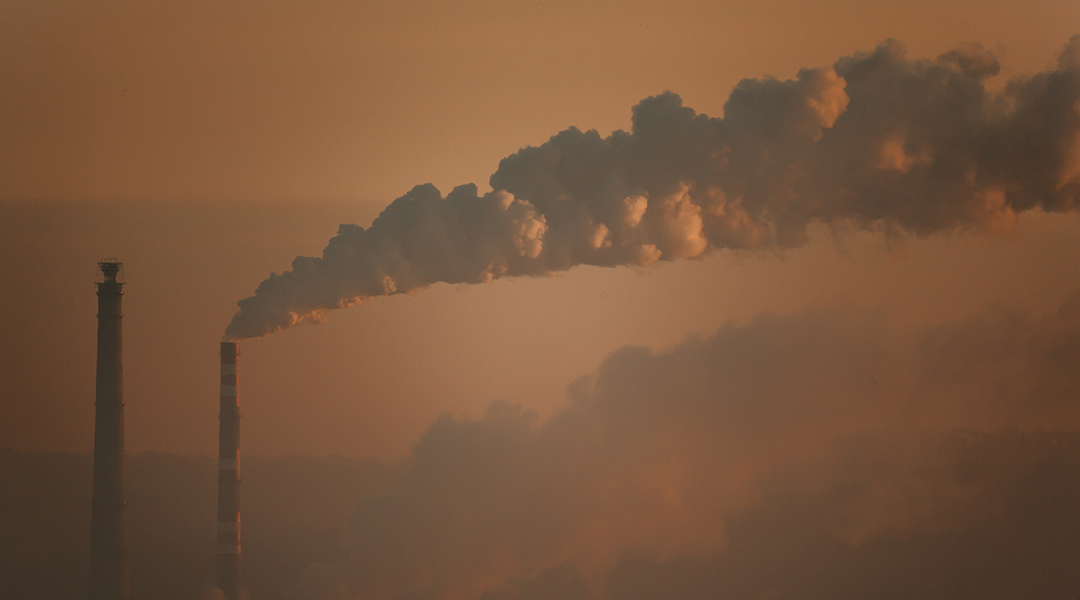
Can the Australian bushfires and global pandemic convince us to change our ways?
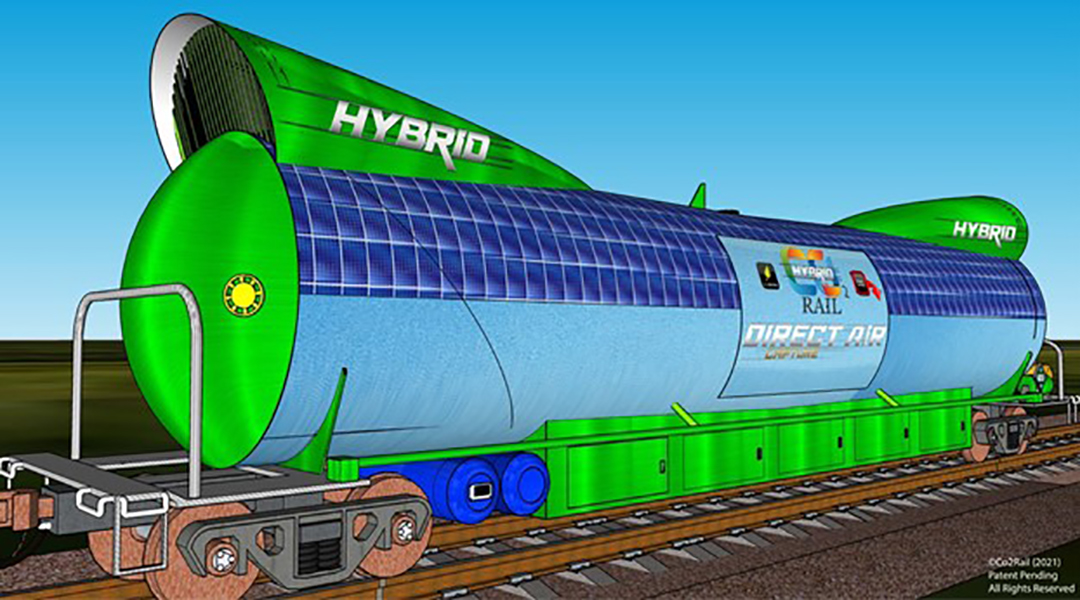
What if the energy released when freight trains slow or stop could be applied to carbon capture technology?
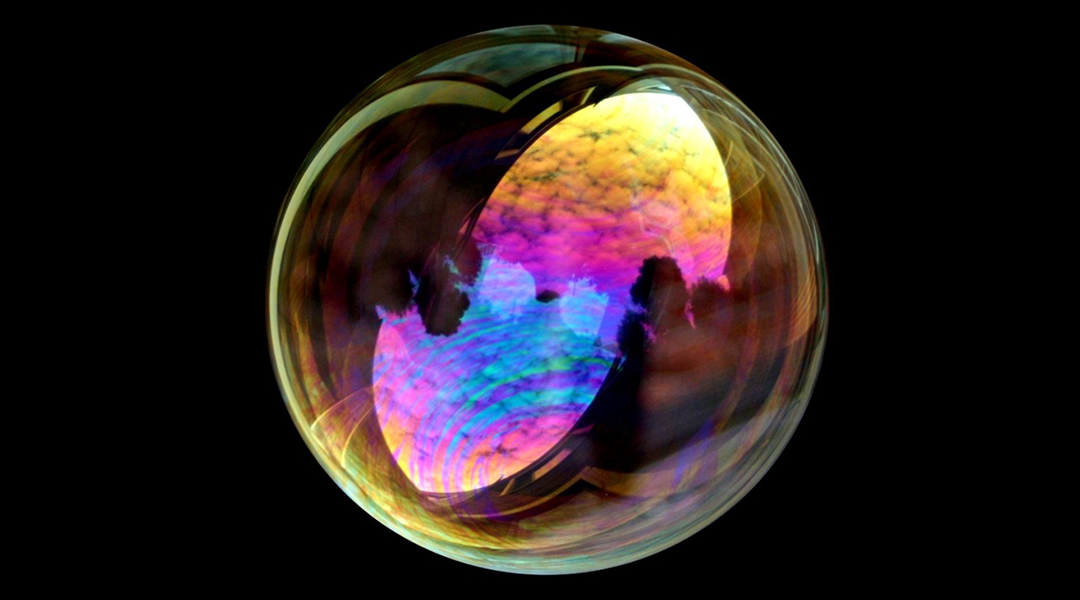
Understanding how bubbles form is vital to both producers and consumers of the world’s most popular alcoholic beverage.
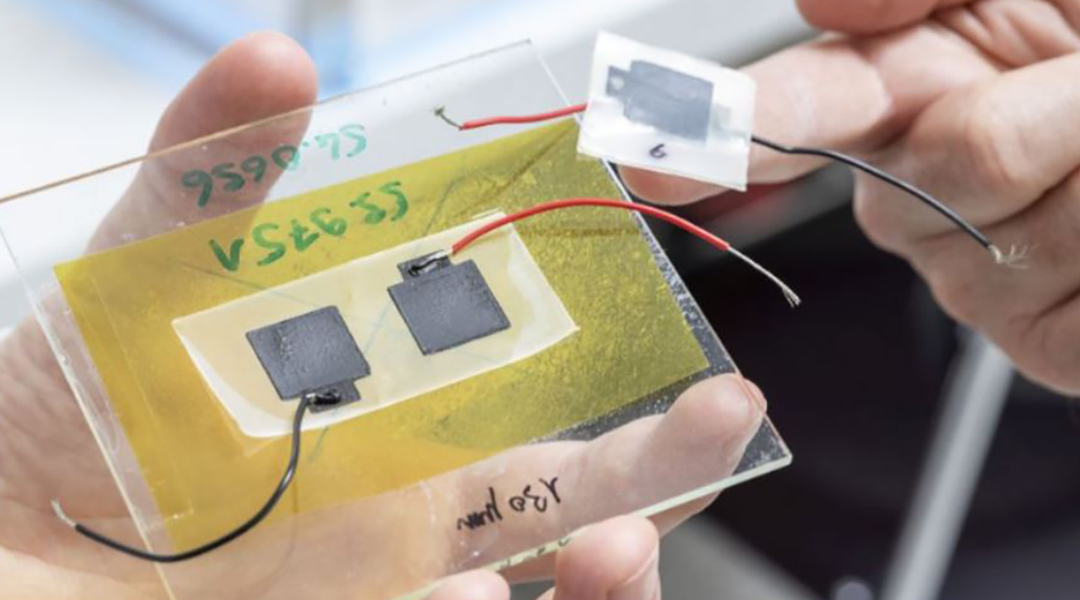
Researchers build a biodegradable mini-capacitor that consists of carbon, cellulose, glycerin, and table salt — and it works reliably.

A new conjugated polymer provides opportunity to improve insulating materials around high-voltage cables for more efficient power transmission.

A new approach to the synthesis of sustainable ammonia and urea uses food waste and brown water as feedstocks.

With increasing heatwaves, wild animals’ ability to process and respond to environmental information may become compromised.

As climate finance becomes increasingly private and debt-based, both risk slowing long-term decarbonization and a shift of power away from government toward market actors.

Mass tourism has grown exponentially across the last decade, bringing nearly 2 million tourists to Baikal’s sparsely populated shores.

 Micron-sized hidden dimensions could solve two of physics’ deepest puzzles
 Turning Periods into Power: Menstrual Blood a Valuable Resource for Medical Diagnostics
 Surfactants Steer Supraparticle Structure
 Bone loss in obesity traced to gut microbiota
 Edible electronics realize safe, complex monitoring devices
 Fermilab Confirms Muon g-2 Measurements