Mass tourism has grown exponentially across the last decade, bringing nearly 2 million tourists to Baikal’s sparsely populated shores.
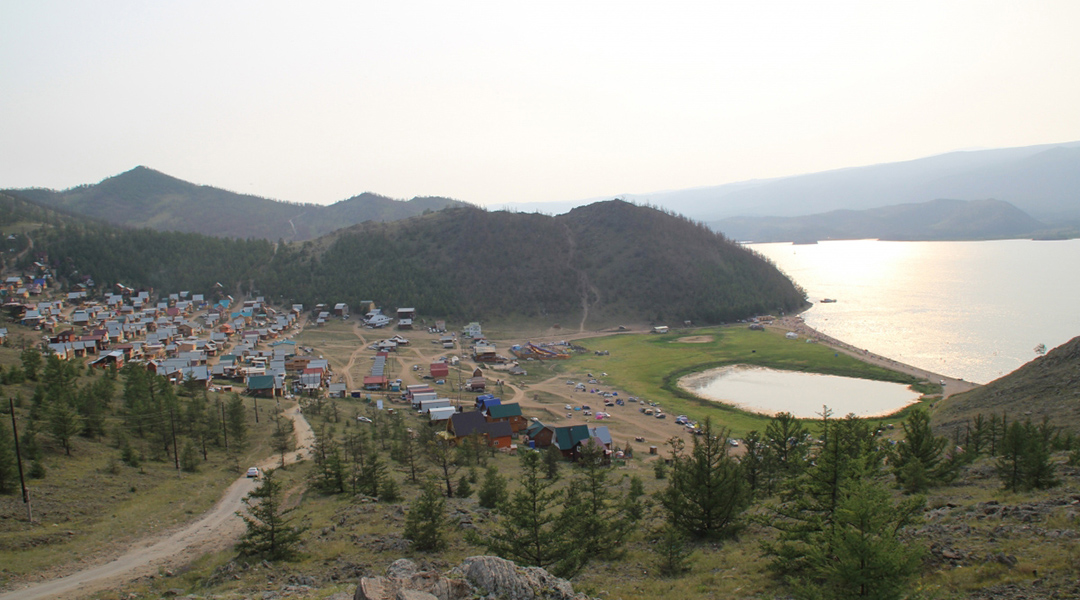

Mass tourism has grown exponentially across the last decade, bringing nearly 2 million tourists to Baikal’s sparsely populated shores.
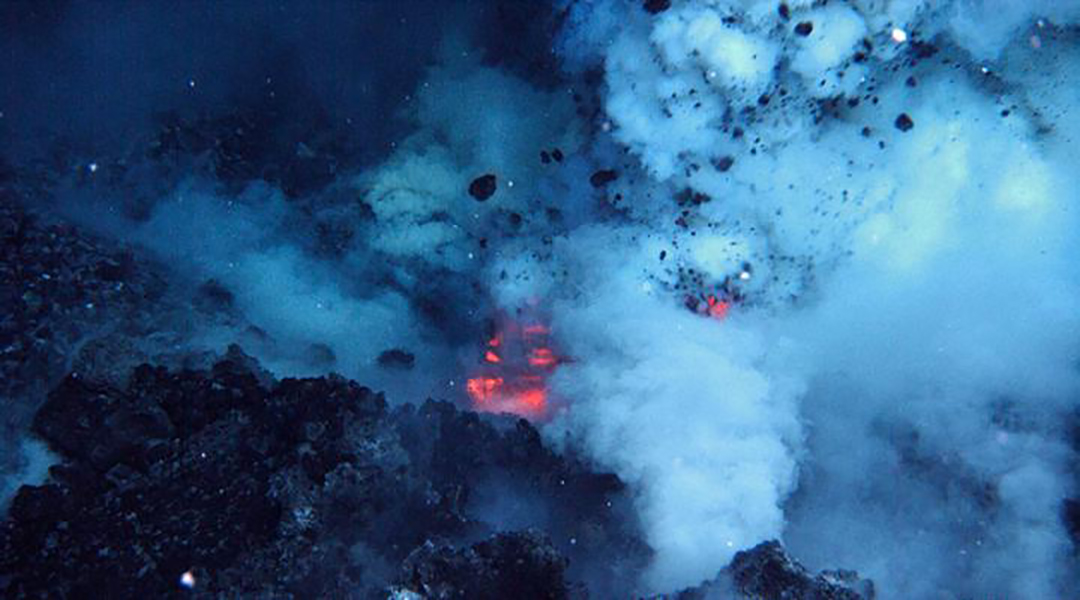
Scientists are closer to understanding the formation of underwater megaplumes, large and powerful columns of heated water rising from the ocean floor.

New study finds “generalist” plants and pollinators play a crucial role in maintaining biodiversity and may also serve as buffers against some impacts of climate change.

This pollen sponge can absorb oil contaminants, such as gasoline and motor oil, at a rate comparable to commercial oil absorbents

This method of purification under natural sunlight opens a new paradigm in clean water production using renewable solar energy.

A re-usable sponge can capture and recover crude oil droplets from cold water to generate clean water in a fragile ecosystem.

With increasing rates of urbanization and its detrimental effects on the environment, reducing the risk posed by “urban climate change” requires more research to prepare ourselves for an uncertain future.
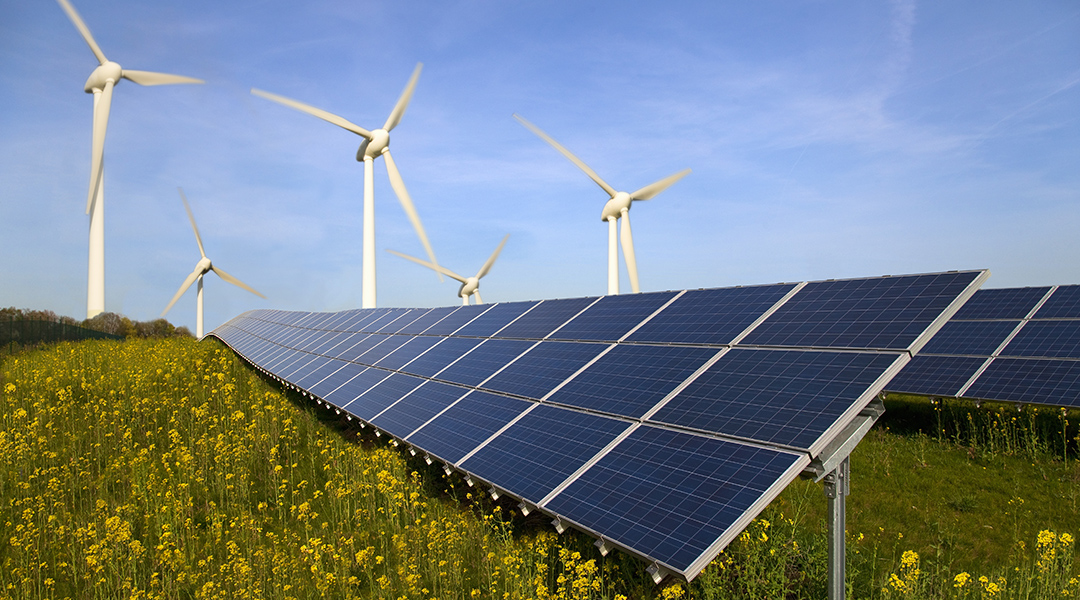
A new report outlines in quantitative detail the range of options, trade-offs, and costs to guide future policies in achieving carbon neutrality by 2045.

Miniature plasma reactors mimic how lightening makes renewable nitrogen fertilizer using just sunlight, water, and air.
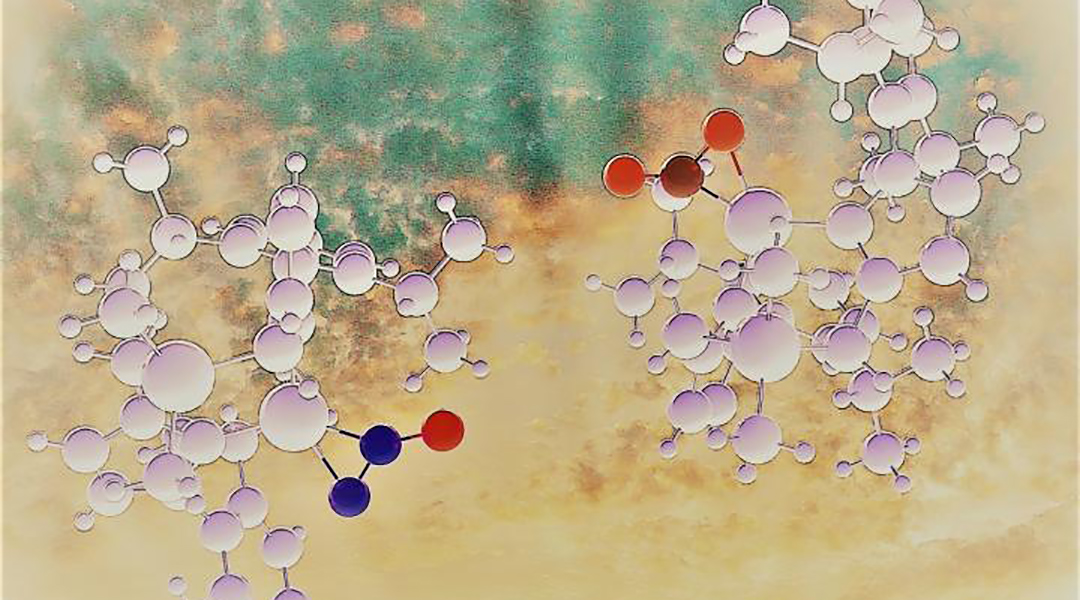
Synthesis of a rare metal complex of nitrous oxide opens new vistas for the degradation of a potent greenhouse gas.
 New theory suggests gravity is not a fundamental force
 Higgs boson may be driving the Universe’s expansion
 Water-powered gadgets may be on the horizon thanks to new evaporation-based energy device
 Scientists discover a new class of antibiotics
 Micron-sized hidden dimensions could solve two of physics’ deepest puzzles
 A new type of dark matter could explain mysterious radiation from the Milky Way’s core