Microfluidic processing could help to make a competitive printed photovoltaics industry a reality.
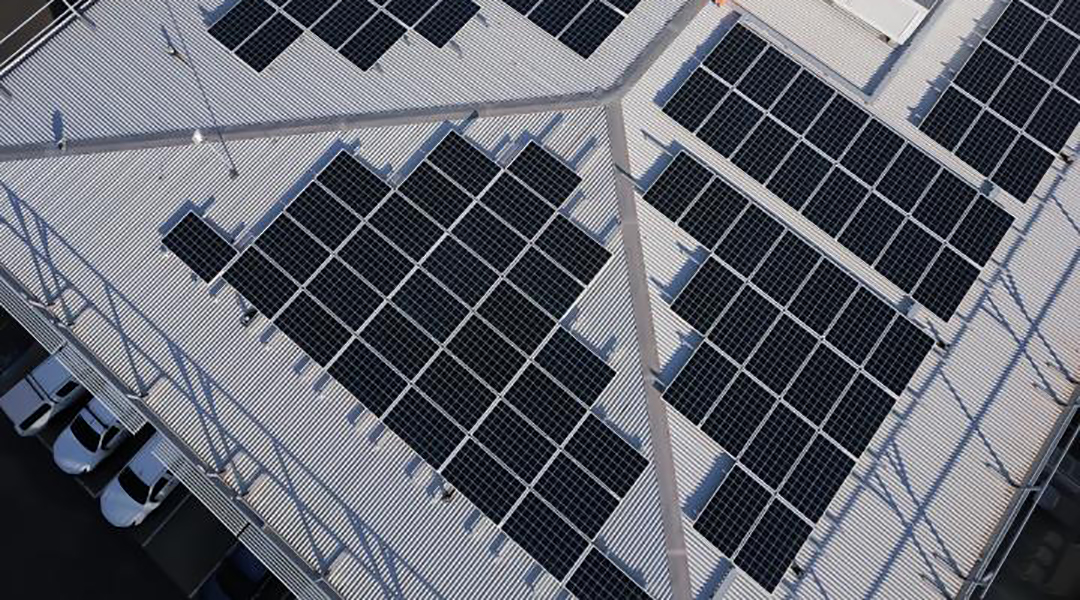

Microfluidic processing could help to make a competitive printed photovoltaics industry a reality.
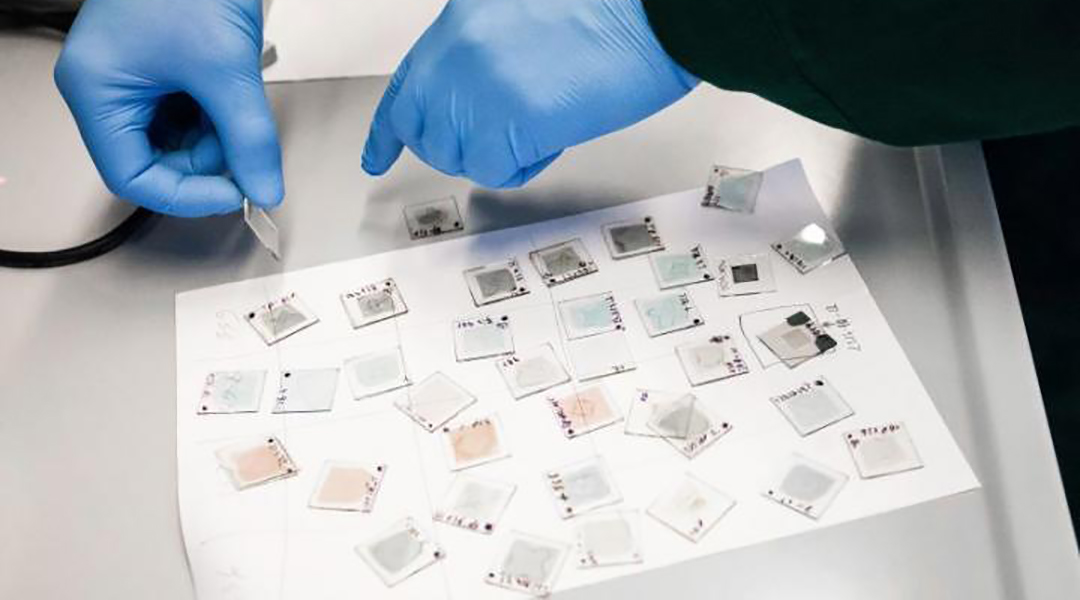
A molecule-thick material is opening doors for the advancement of flexible and recyclable organic solar cells.

Can the Australian bushfires and global pandemic convince us to change our ways?

What if the energy released when freight trains slow or stop could be applied to carbon capture technology?

Understanding how bubbles form is vital to both producers and consumers of the world’s most popular alcoholic beverage.
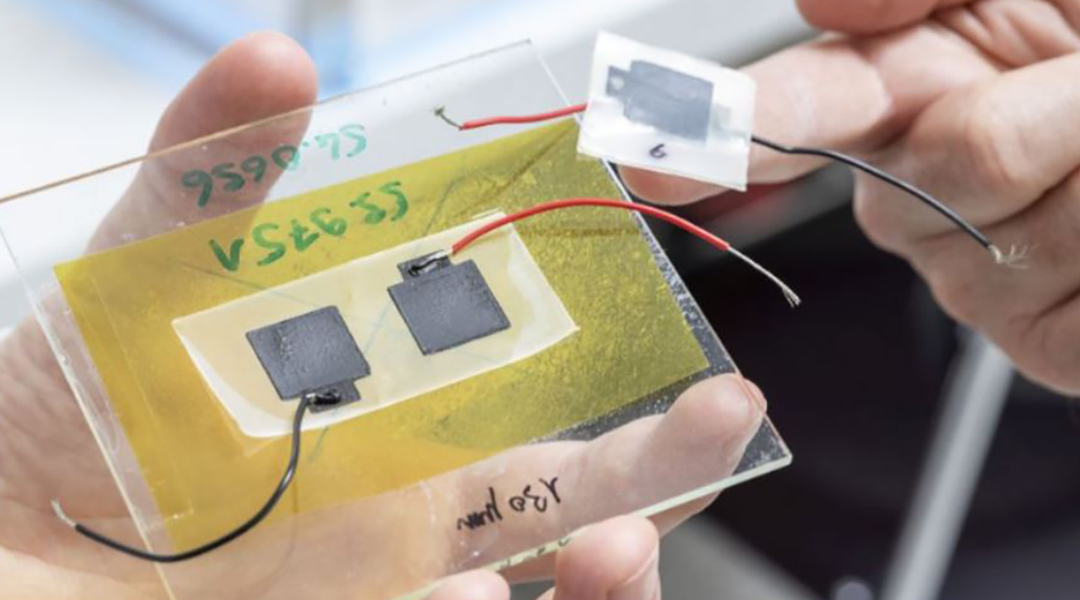
Researchers build a biodegradable mini-capacitor that consists of carbon, cellulose, glycerin, and table salt — and it works reliably.

A new conjugated polymer provides opportunity to improve insulating materials around high-voltage cables for more efficient power transmission.

A new approach to the synthesis of sustainable ammonia and urea uses food waste and brown water as feedstocks.

With increasing heatwaves, wild animals’ ability to process and respond to environmental information may become compromised.

As climate finance becomes increasingly private and debt-based, both risk slowing long-term decarbonization and a shift of power away from government toward market actors.
 New theory suggests gravity is not a fundamental force
 Higgs boson may be driving the Universe’s expansion
 Water-powered gadgets may be on the horizon thanks to new evaporation-based energy device
 Scientists discover a new class of antibiotics
 Micron-sized hidden dimensions could solve two of physics’ deepest puzzles
 A new type of dark matter could explain mysterious radiation from the Milky Way’s core