A new nanofluid coating provides an opportunity to reduce energy waste in the next generation of smart windows.


A new nanofluid coating provides an opportunity to reduce energy waste in the next generation of smart windows.

How feasible is hydrogen production using renewable sources of energy?

Oil-rich countries force through compromise at UN climate talks in Bonn, Germany, that many think falls short of acting on key conclusions from last year’s IPCC report.

Chemists have developed a hybrid semiconductor material for efficient and sustainable hydrogen production.
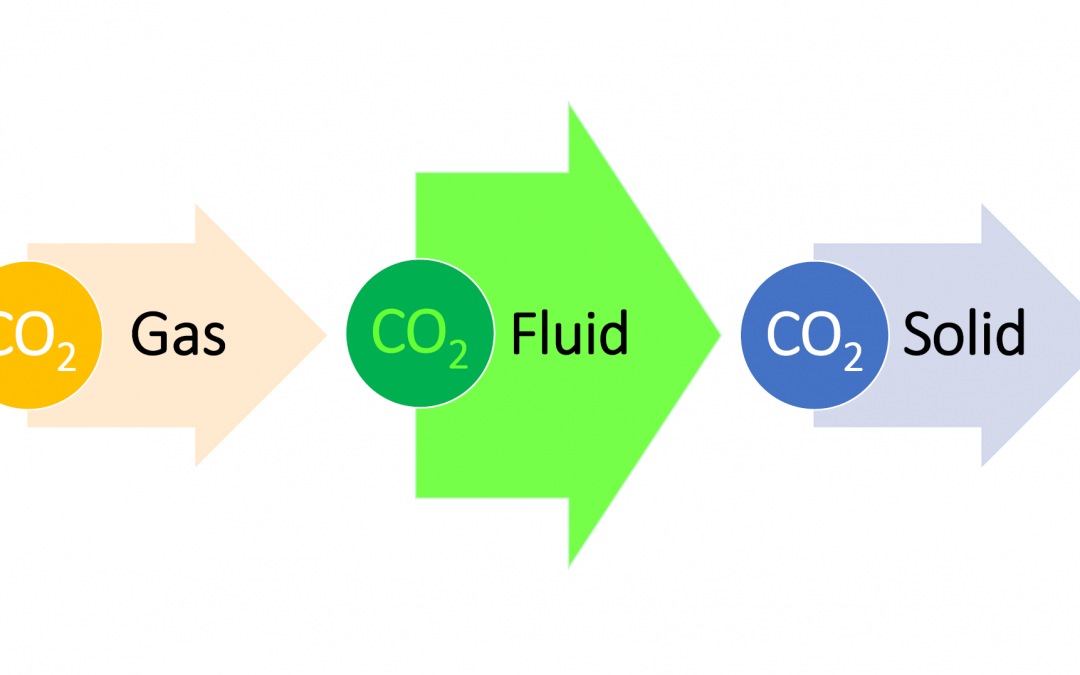
At standard temperature and pressure, CO2 exists as a gas. On cooling to -78.5°C, it becomes a solid called dry ice, which is a common refrigerant. At a critical temperature and pressure of 31.1°C and 72.9 atmospheres, respectively, CO2 becomes a supercritical fluid...
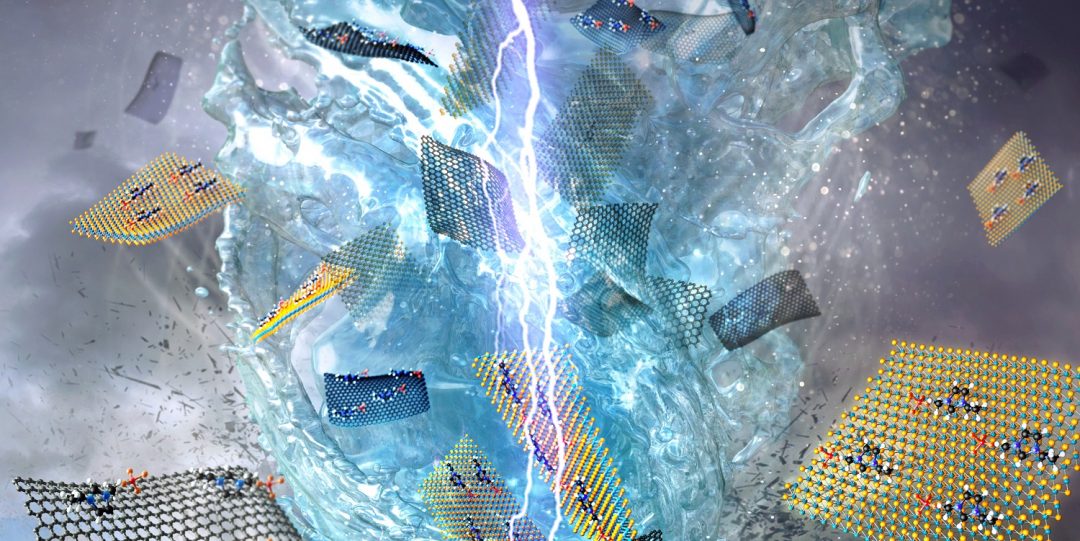
Excellence in Energy invited-only review series just turned 2. These papers come from the top researchers in energy-related fields, and are free to read!

A research group has found a way to turn plastic waste into jet fuel.

Using homogeneous organic dyes as sustainable catalysts opens up new ways for a green hydrogen peroxide-based energy source.

Advanced Engineering Materials presents a Special Section on “Light Materials – Science and Technology”, guest edited by Axel von Hehl et al. The Special Section comprises of 12 articles that highlight the recent progress made in the field of light-weighted materials.

Thuc-Quyen Nguyen on her research, inspiration, and advice to young scientists.

 Micron-sized hidden dimensions could solve two of physics’ deepest puzzles
 Turning Periods into Power: Menstrual Blood a Valuable Resource for Medical Diagnostics
 Bone loss in obesity traced to gut microbiota
 Surfactants Steer Supraparticle Structure
 Edible electronics realize safe, complex monitoring devices
 Fermilab Confirms Muon g-2 Measurements