Bioorthogonal hydroamination of activated linear alkynes now suitable in living cells.
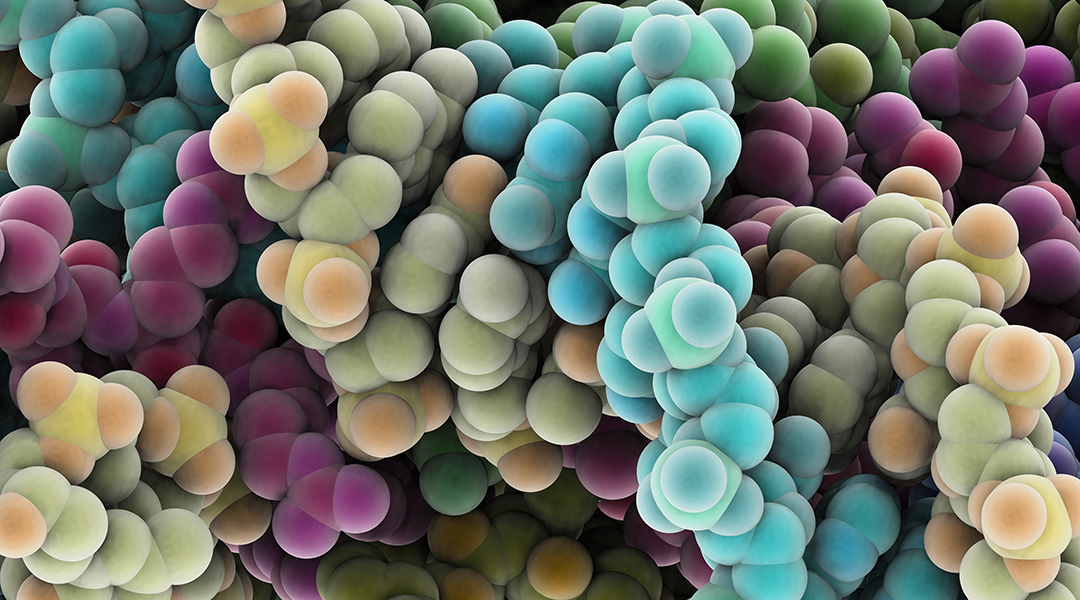

Bioorthogonal hydroamination of activated linear alkynes now suitable in living cells.
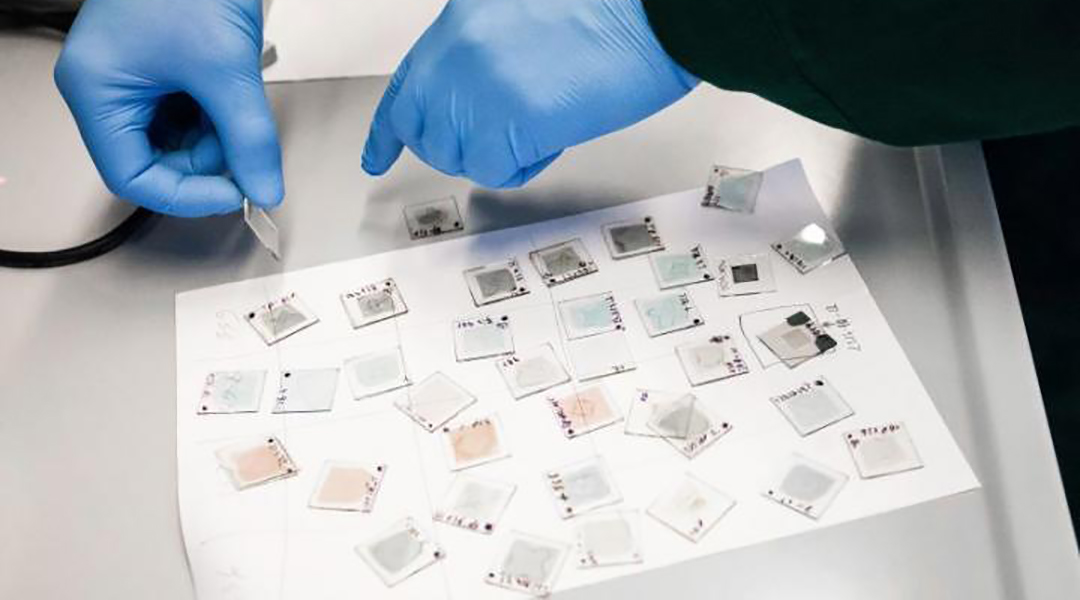
A molecule-thick material is opening doors for the advancement of flexible and recyclable organic solar cells.
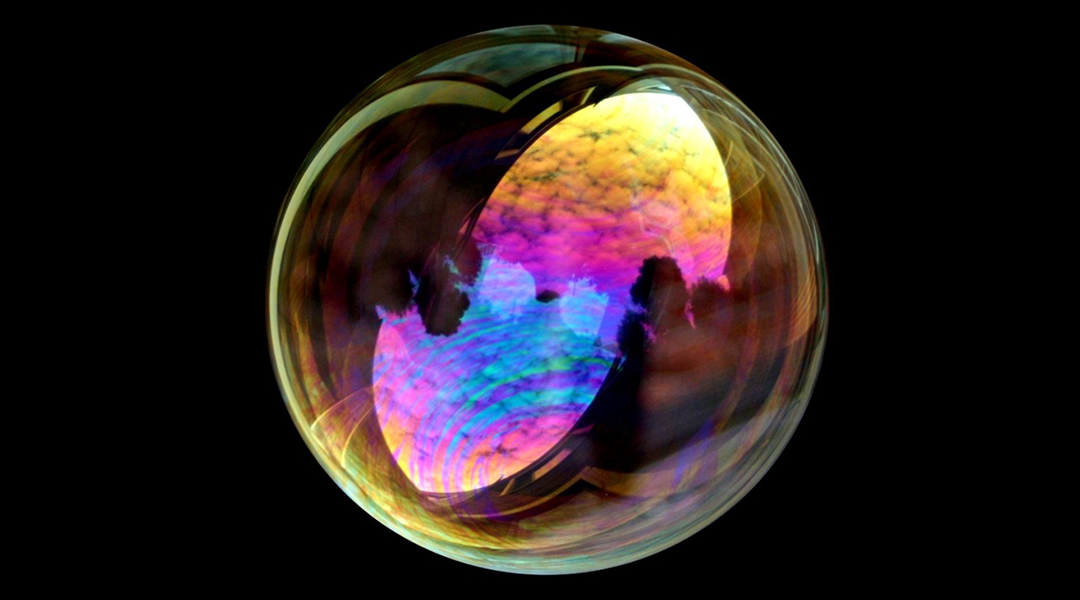
Understanding how bubbles form is vital to both producers and consumers of the world’s most popular alcoholic beverage.

Using silk proteins, researchers create crosslinking fibers that contain iron complexes similar to those used by sticky underwater sea creatures.

Scientists in Japan have devised an efficient way to create the backbone to a whole family of natural products, thus unlocking potential new medicines.

A re-usable sponge can capture and recover crude oil droplets from cold water to generate clean water in a fragile ecosystem.
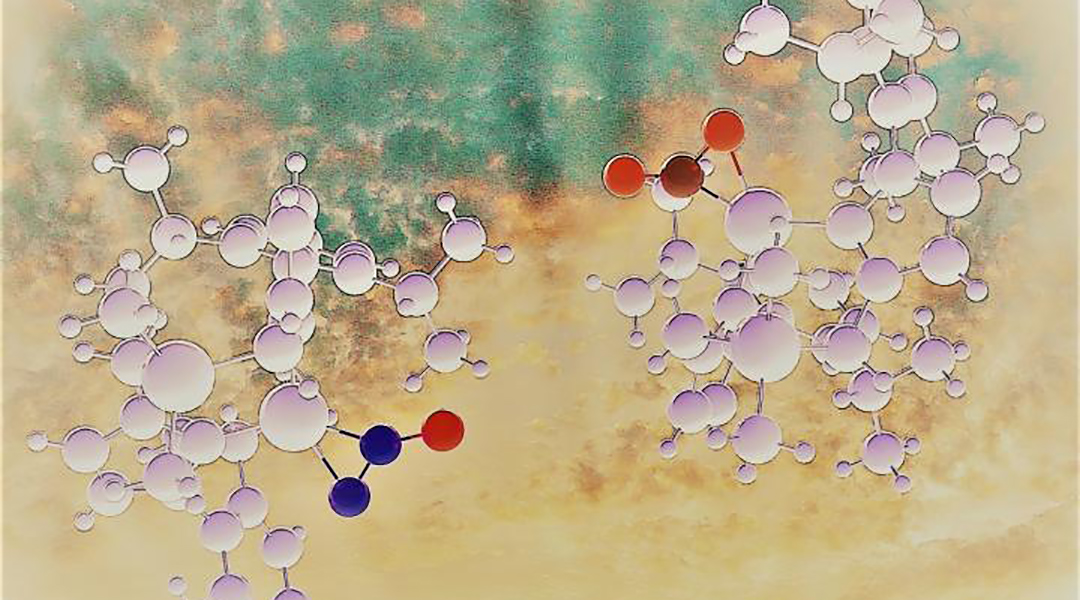
Synthesis of a rare metal complex of nitrous oxide opens new vistas for the degradation of a potent greenhouse gas.

The genesis of a crystal was something we have imagined for centuries, and being able to watch it was like living in a dream.

Conquering cloud and nighttime solar intermittency comes from the phenomenon of persistent photoconductivity observed in materials that contain sub-bandgap trap states.

Can the Haber–Bosch process be green?
 New theory suggests gravity is not a fundamental force
 Higgs boson may be driving the Universe’s expansion
 Water-powered gadgets may be on the horizon thanks to new evaporation-based energy device
 Scientists discover a new class of antibiotics
 Micron-sized hidden dimensions could solve two of physics’ deepest puzzles
 A new type of dark matter could explain mysterious radiation from the Milky Way’s core