Prof. Korley and co-workers explore the design principles used to develop environmentally-responsive materials that serve as release agents, sensors, switches, and actuators.


Prof. Korley and co-workers explore the design principles used to develop environmentally-responsive materials that serve as release agents, sensors, switches, and actuators.
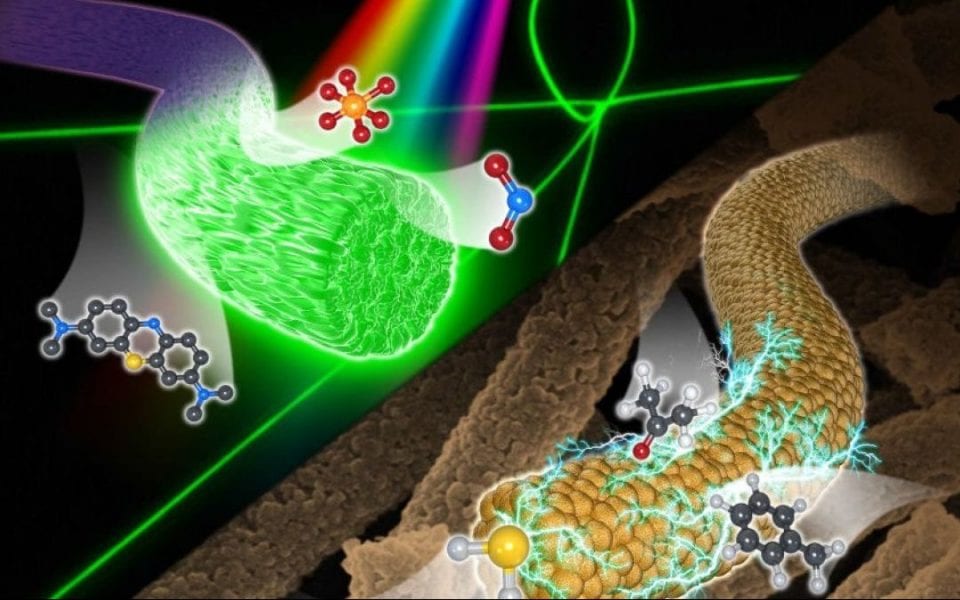
Researchers from South Korea and from Italy present recent progress in sensing principles.

Grubbs and co-workers review developments in brush block copolymer (BBCP) self-assembly toward photonic crystal applications. In this rapidly developing field, questions regarding the conformation of BBCPs and the formation of new morphologies provide further research opportunities.
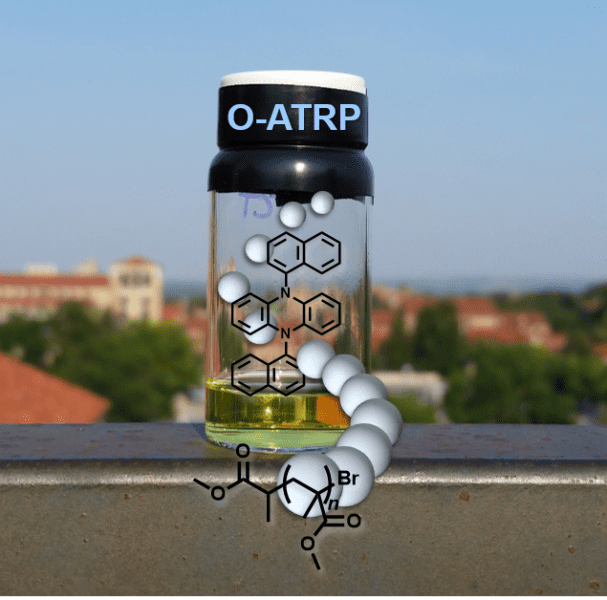
A proposed mechanism for O-ATRP to discern the photophysical and chemical design principles that enable an organic molecule to serve as a catalyst for O-ATRP is described.

Researchers have unveiled the 30-year mystery of polyhydroxyalkanoate (PHA) synthase.

Concept of ‘breathing glass’: The biobased poly(limonene carbonate) (PLimC) unifies sustainability, carbon capture and utilisation of carbon dioxide in one material.
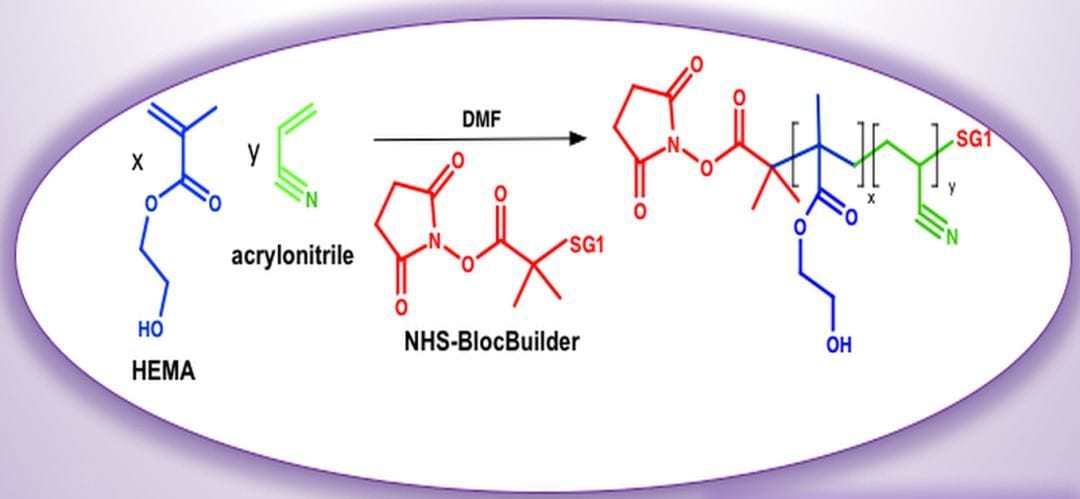
Canadian researchers present a new approach to the copolymerization of methacrylic esters.
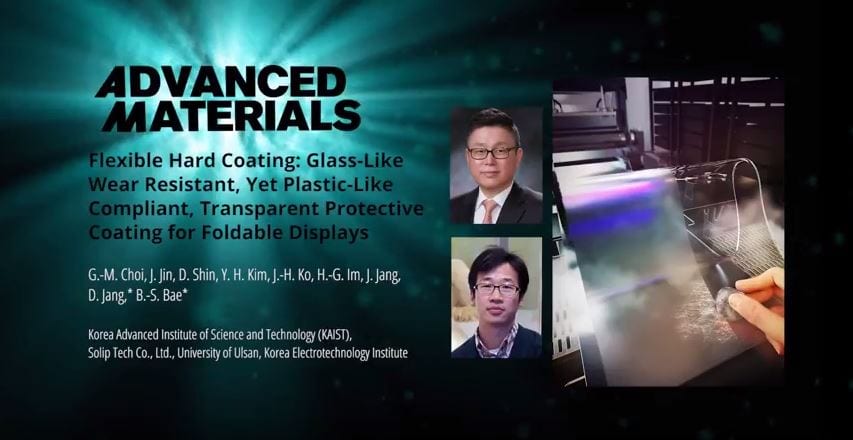
An optically transparent epoxy-siloxane molecular hybrid material that simultaneously exhibits glass-like wear resistance and strength, plastic-like modulus and a high modulus of resilience is developed by Dongchan Jang, Byeong-Soo Bae and co-workers.
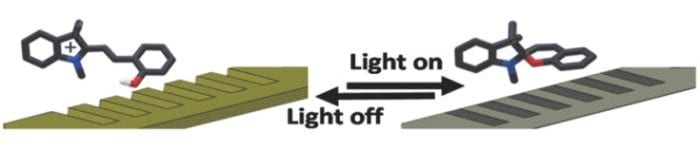
Researchers from Eindhoven have developed a spiropyran containing photoresponsive size-tunable hydrogel that can be used as a micromixer or light switchable valve.
Video: Opinions on the future of polymer science, exciting recent developments, and the impact of polymer science on and its’ contribution to society.

 Micron-sized hidden dimensions could solve two of physics’ deepest puzzles
 Turning Periods into Power: Menstrual Blood a Valuable Resource for Medical Diagnostics
 Surfactants Steer Supraparticle Structure
 Bone loss in obesity traced to gut microbiota
 Edible electronics realize safe, complex monitoring devices
 Fermilab Confirms Muon g-2 Measurements