A team led by Wubin Bai developed a novel wearable sensor patch that provides a safe, real-time, less invasive and low-cost way to track a patient’s recovery.
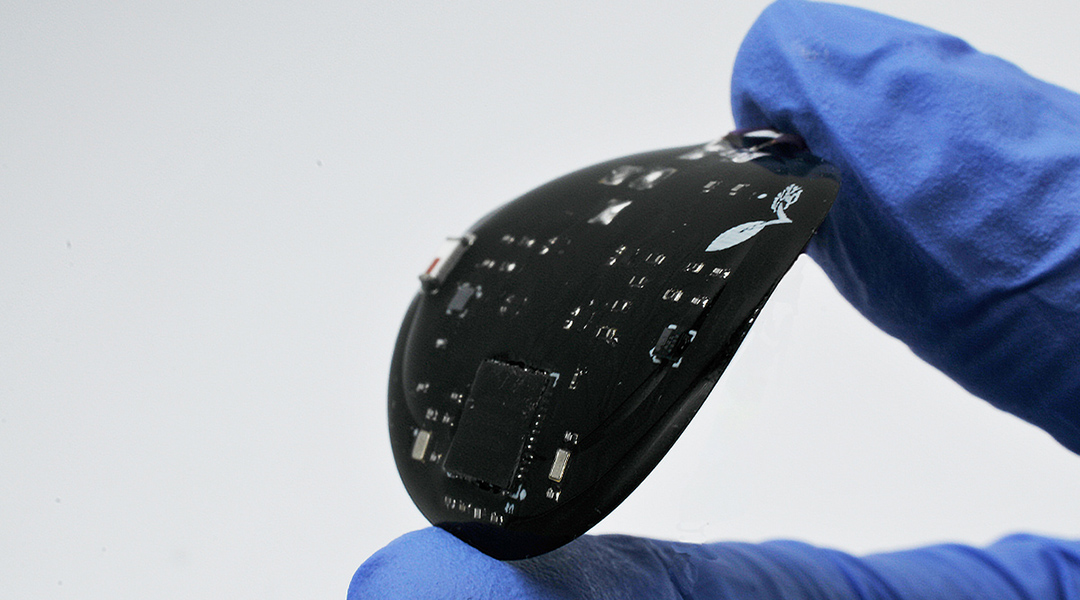


A team led by Wubin Bai developed a novel wearable sensor patch that provides a safe, real-time, less invasive and low-cost way to track a patient’s recovery.
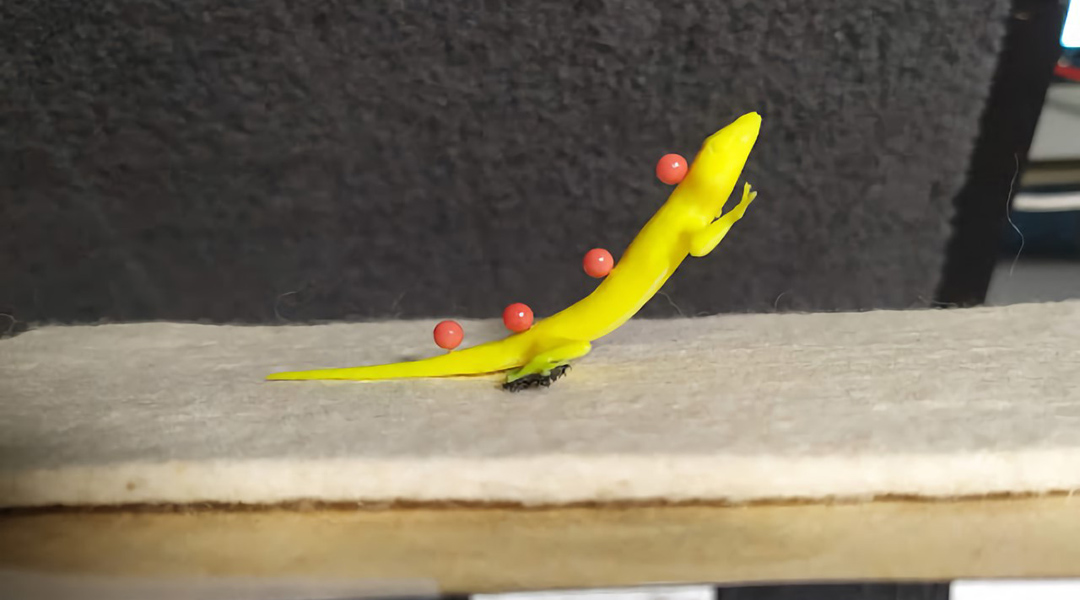
Insights gained from the hard landings of tree-climbing geckos leads to better and controlled perching in robotic aerial vehicles.
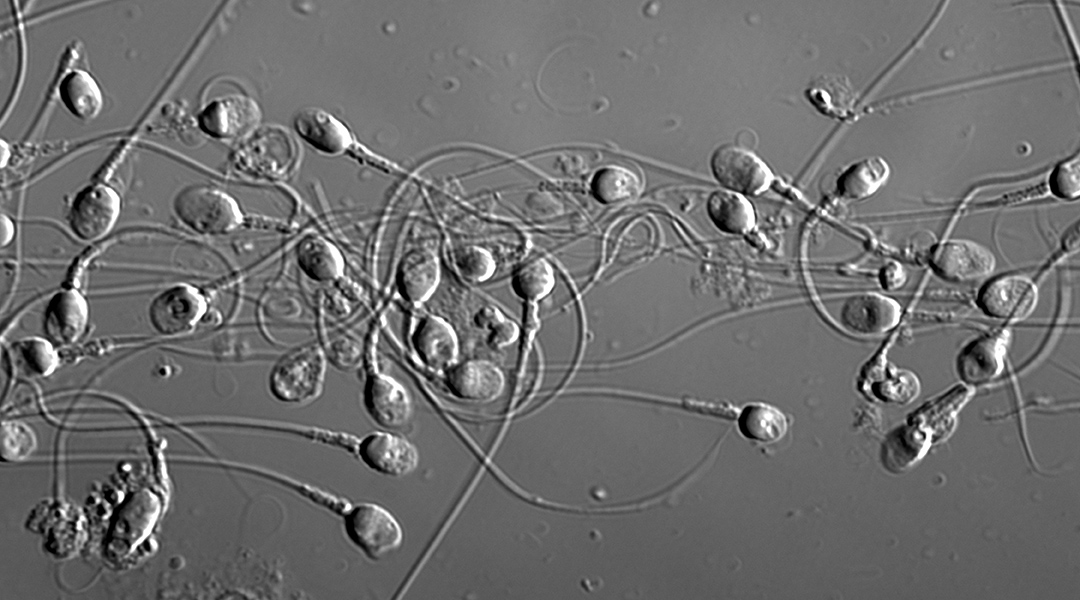
To help improve the success rates of fertility treatments, scientists are turning to AI to help standardize the sperm selection process.
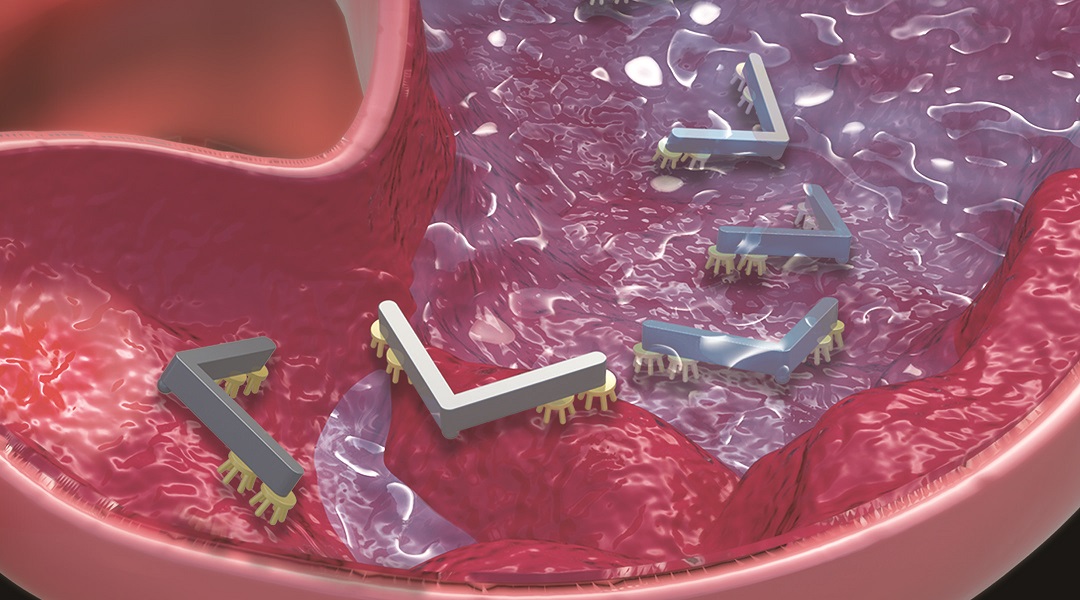
Microrobots dubbed “microwalkers” can both swim and walk, allowing them to transverse challenging biological environments.
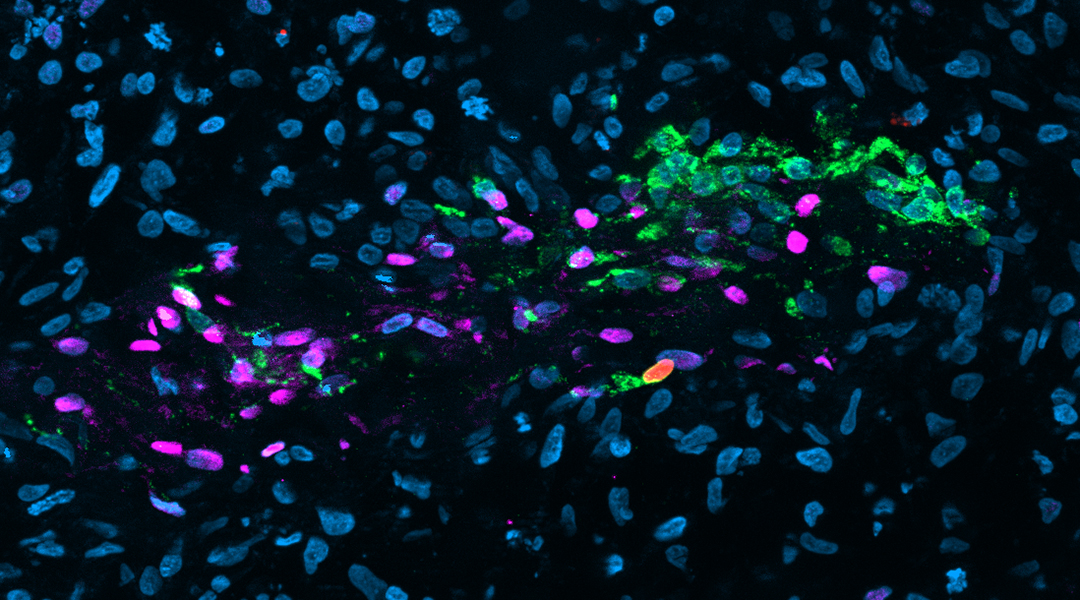
Dehumidifying pendants, the origins of olfactory neurons, microspectrometers, and transforming cancer agents.

The new sensors reliably and uniformly detected molecular signals, and their performance remained intact when tested again after two and a half months.

Researchers show that through aging the number of stem cells contributing to blood cell production significantly shifts.

A smart electronic nose that mimics the human nose with its millions of receptor cells and ability to differentiate smells.
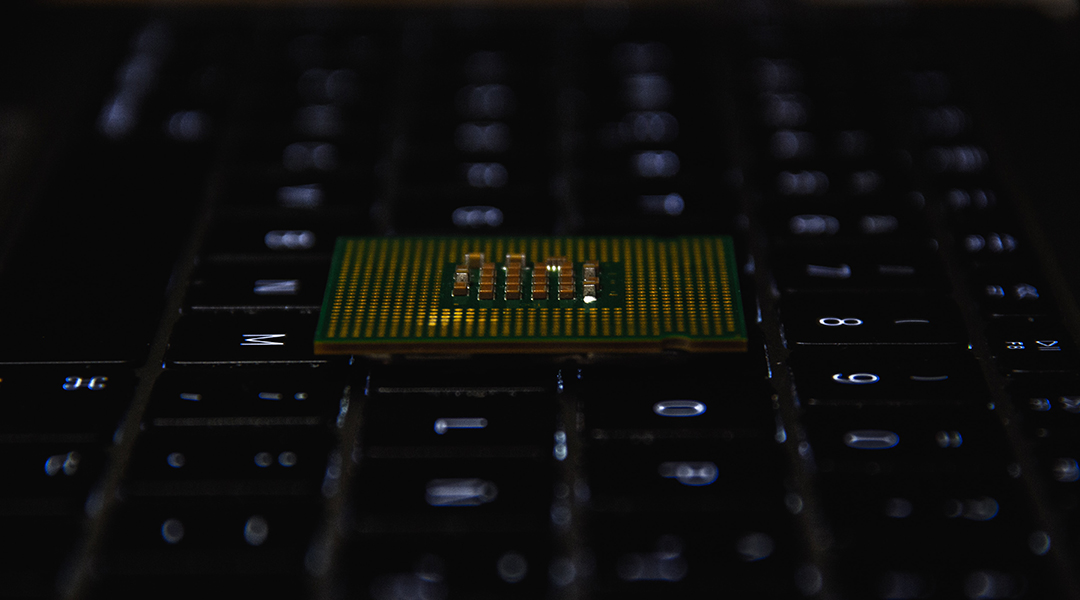
An in-memory computing prototype provides a promising solution for edge computing systems to implement continual learning.
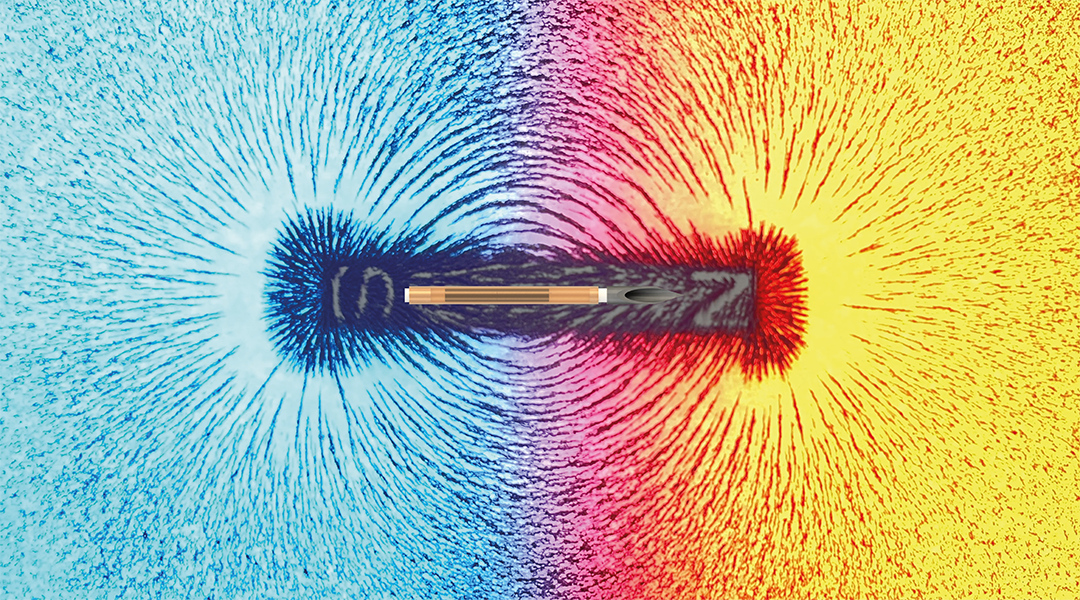
A miniaturized, tetherless needle offers a safe means of performing surgery, treating cancer, and performing diagnostic tests.