Data shows we don’t need to be as concerned about large methane releases from large carbon reservoirs in response to future warming; we should be more concerned about methane released from human activities.
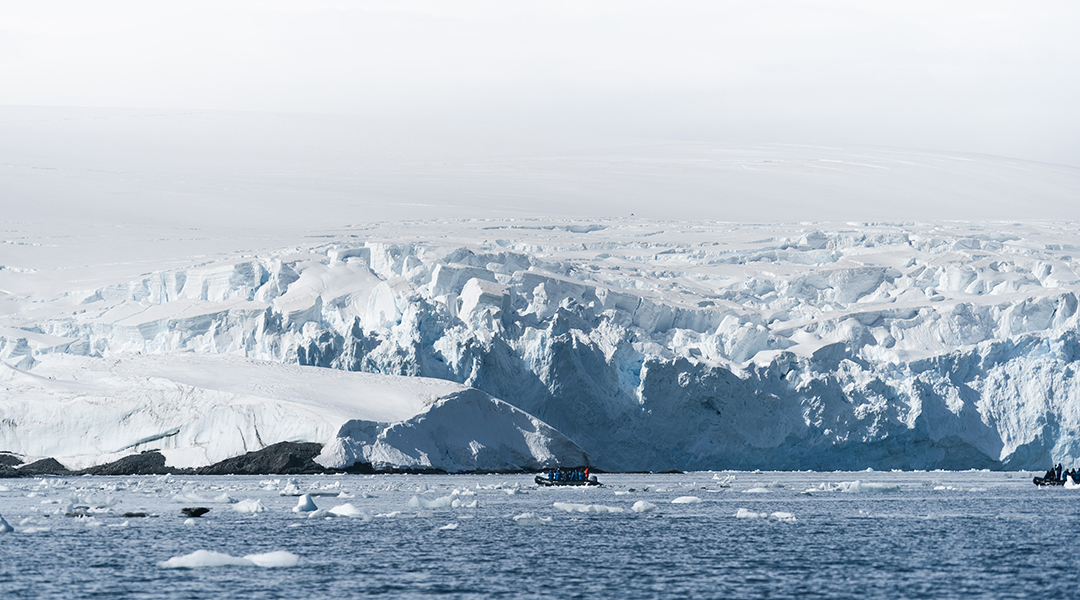


Data shows we don’t need to be as concerned about large methane releases from large carbon reservoirs in response to future warming; we should be more concerned about methane released from human activities.
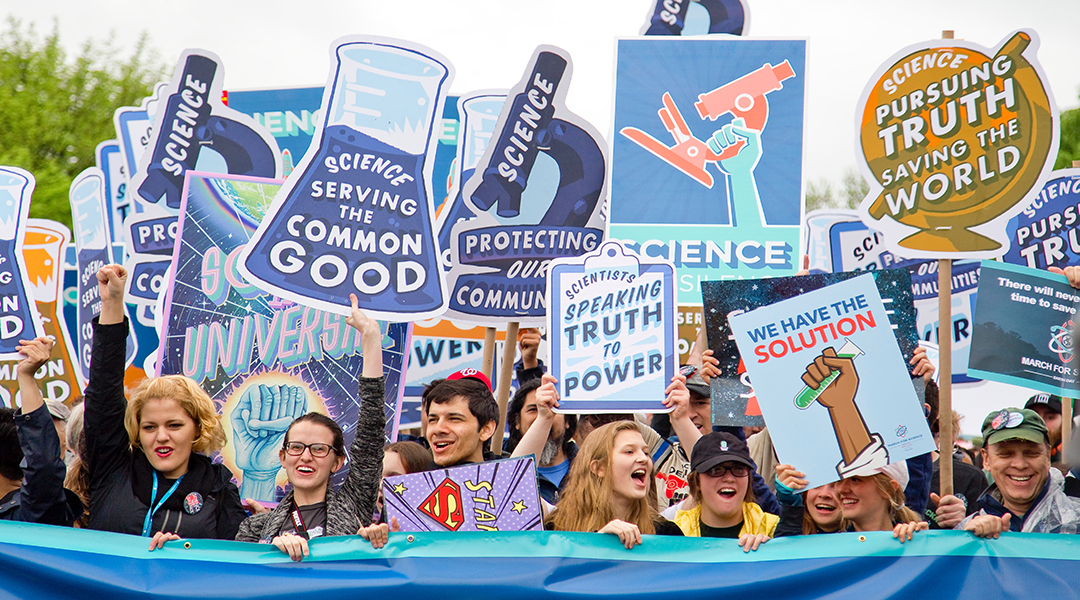
MU researchers determine a scientist’s perceived authenticity can inform trust and credibility with their audience.

Perovskites have been discovered to be a cheap alternative for Faraday rotators.

How do we reproduce the memory and processing capabilities of the human brain?
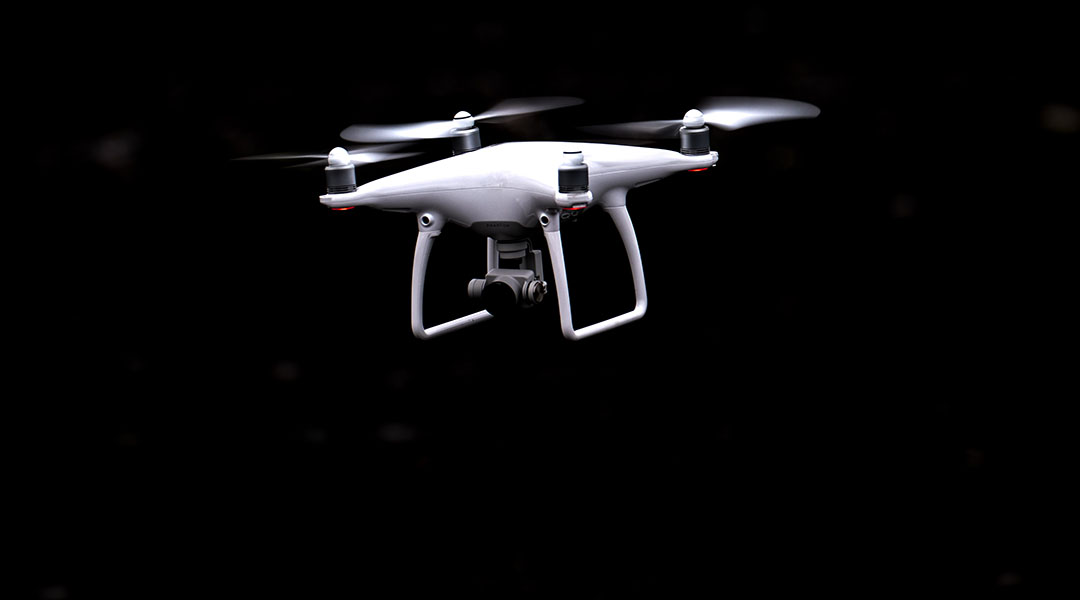
UCF researchers develop a device that mimics brain cells used for human vision. The invention may help to one day make robots that can think like humans.
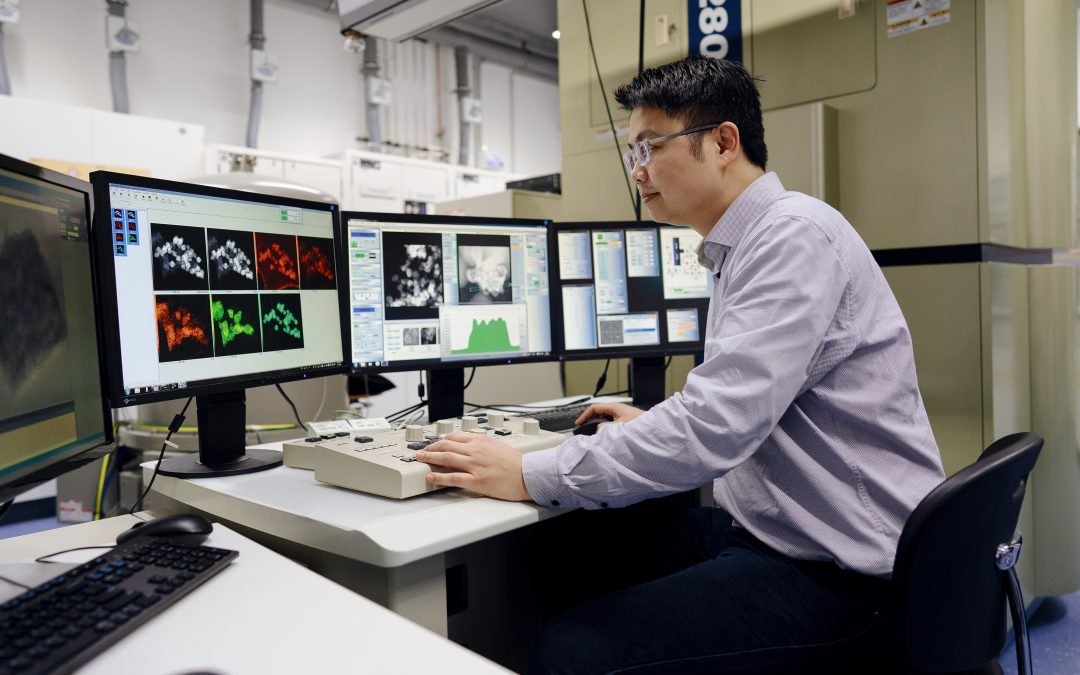
Electrocatalysts can help to obtain chemicals from renewable raw materials or to use alternative energy sources. But testing new catalysts brings challenges.
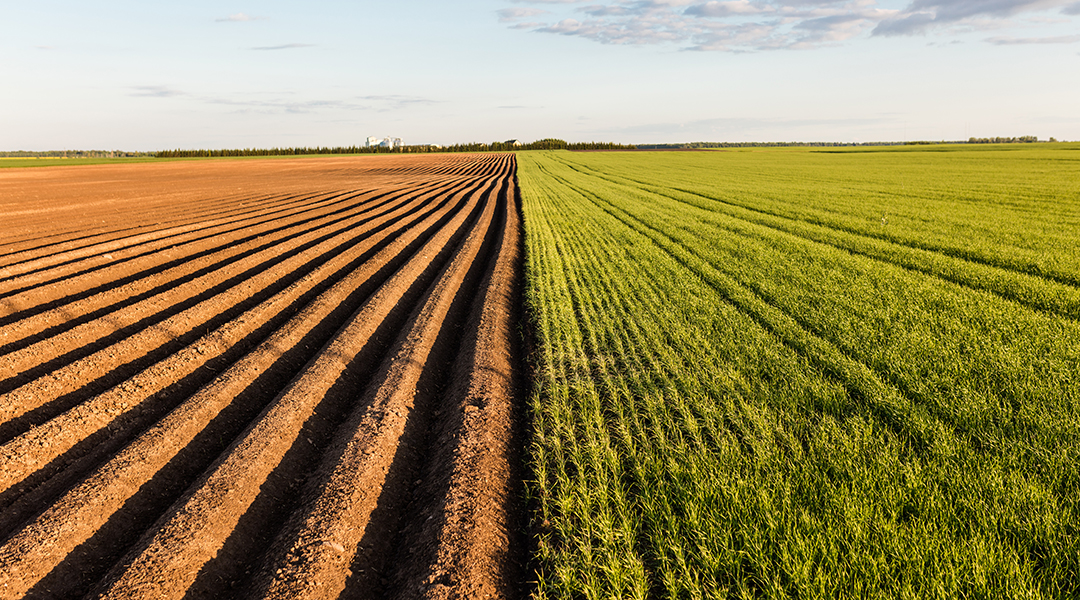
University of Guelph researchers found Earth’s agricultural landmass could increase by one-third, including new farming in northern Canada and Russia, but not without environmental impacts.

Flight altitude changes of just 2000 feet could lessen their effect could minimize the harmful effects of aircraft contrails.
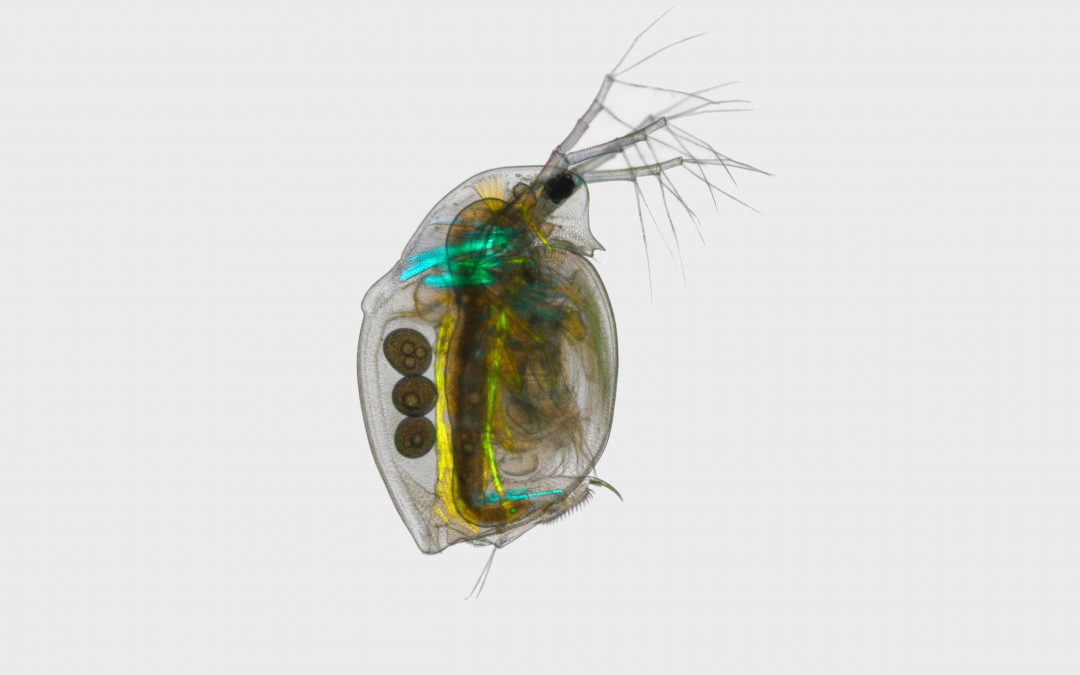
What is the advantage of laying eggs that are expensive to produce and take a long time to hatch? Perhaps there is more to this paradox then we originally thought.
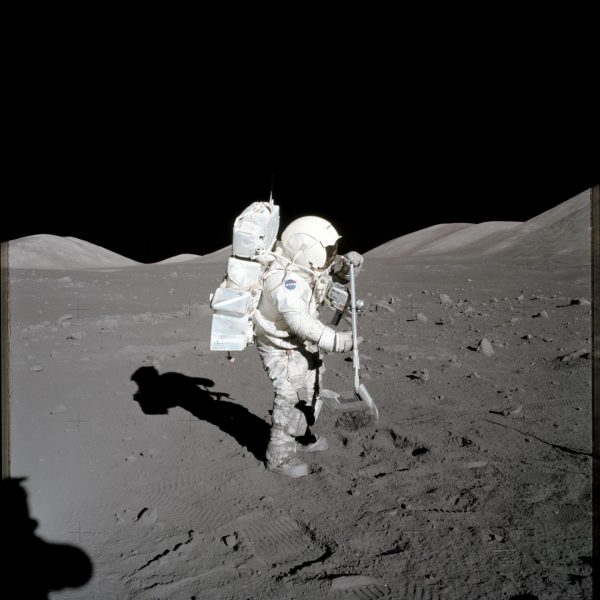
New technique for analyzing Moon rocks lets scientists study them atom by atom.