A simple, quick and versatile approach for fabricating gradient tissues through the physical force of buoyancy.

A simple, quick and versatile approach for fabricating gradient tissues through the physical force of buoyancy.
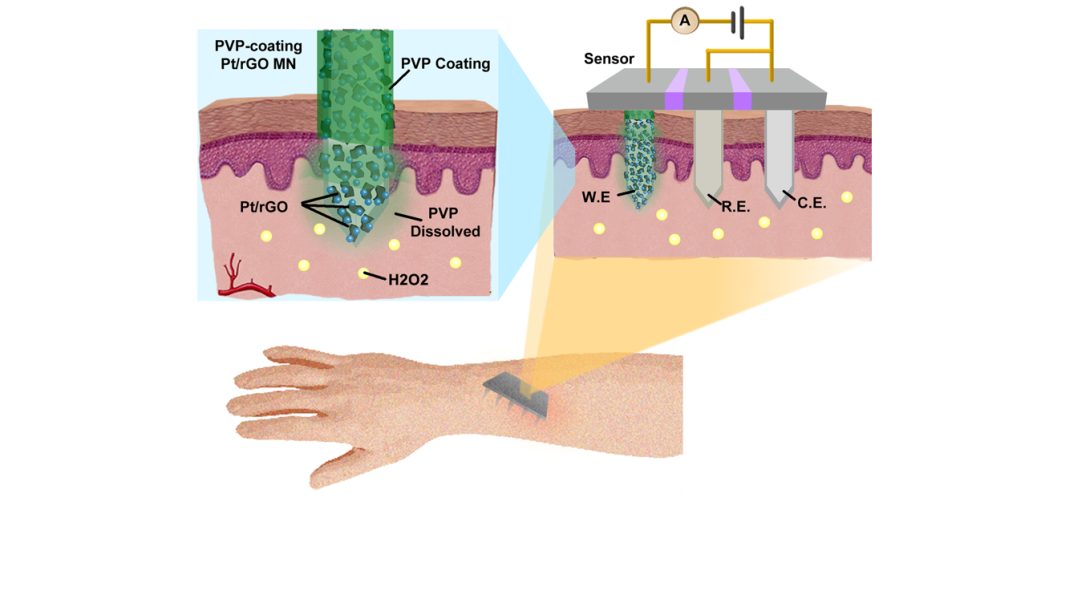
A real-time, in vivo, and minimally-invasive transdermal biosensing system for hydrogen peroxide monitoring is developed.

Researchers are looking at hydrogel scaffolding with drug-delivery properties to improve skin tissue engineering.

Scientists develop a reversible adhesive skin patch with high air permeability and water drainage.

Polymers, specifically the biopolymer hyaluronic acid, could provide a better alternative to surgical sutures and staples for wound closure and healing.
An atypical, low‐power, atmospheric pressure plasma source for application in plasma medicine.

A team of Polish scientists discovered how antimicrobial blue light can fight against infections caused by the P. aeruginosa bacterium, that occur often in burn victims.
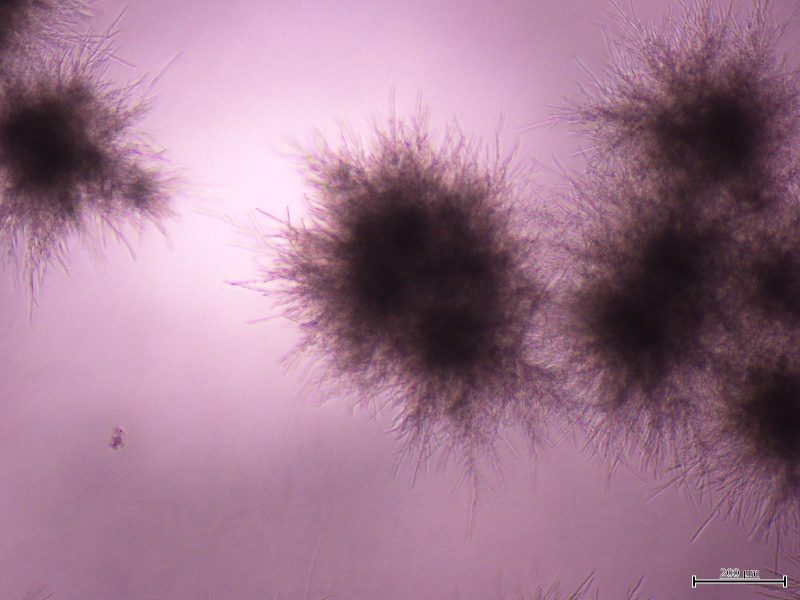
Mammalian barrier surfaces are densely populated by symbiont fungi in much the same way the former are colonized by symbiont bacteria. The fungal microbiota, otherwise known as the mycobiota, is increasingly recognized as a critical player in the maintenance of health and homeostasis of the host.

A team of researchers from China set up a study that gives new insights in using plasma in breast cancer treatment.

The key players within the pathways of RNA decay are well conserved with their mutation or disruption resulting in distinct phenotypes as well as human disease.

 Micron-sized hidden dimensions could solve two of physics’ deepest puzzles
 Turning Periods into Power: Menstrual Blood a Valuable Resource for Medical Diagnostics
 Surfactants Steer Supraparticle Structure
 Bone loss in obesity traced to gut microbiota
 Edible electronics realize safe, complex monitoring devices
 Fermilab Confirms Muon g-2 Measurements