Researchers shed light on the conditions that could have led to our abiogenesis by simulating the rapid growth and fusion of protocells.
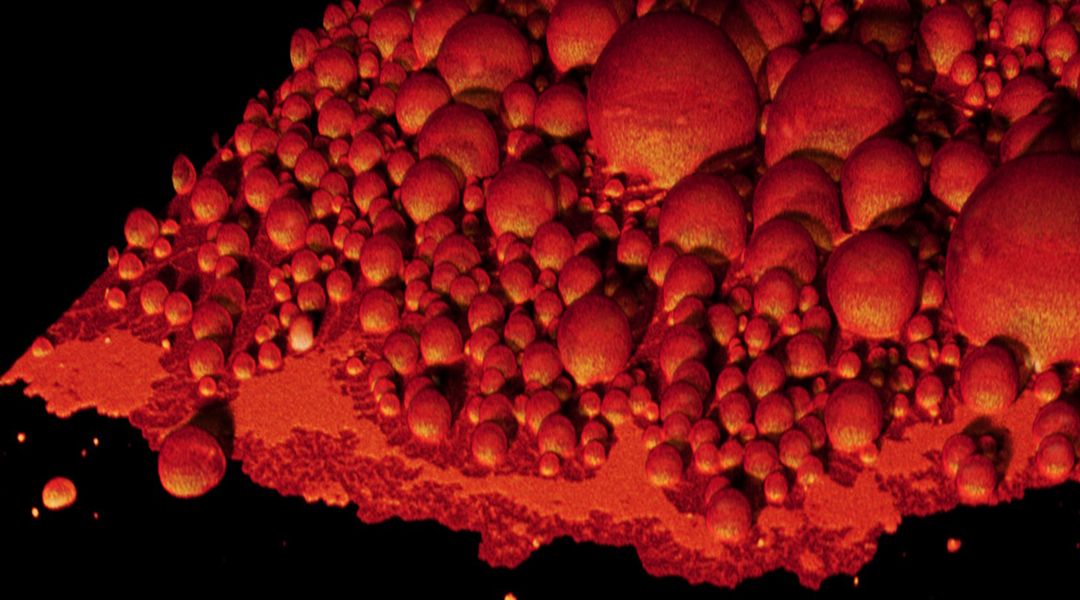

Researchers shed light on the conditions that could have led to our abiogenesis by simulating the rapid growth and fusion of protocells.

A new study is the first to examine micro- and nanoplastic occurrence in human organs, providing the first clues on potential exposure sources and routes.
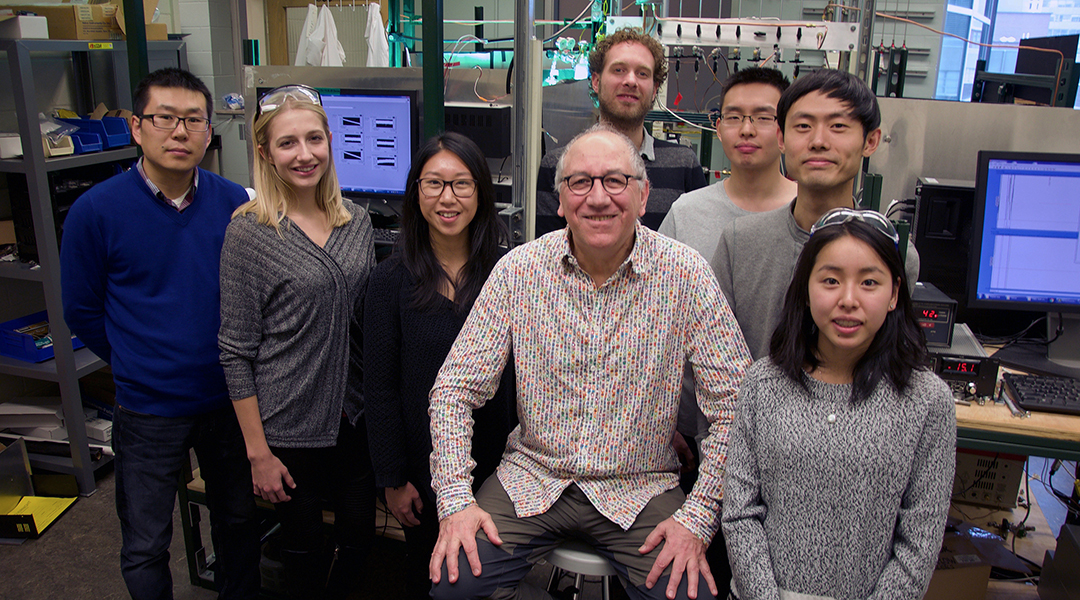
To celebrate his upcoming 77th birthday, we reached out to nanochemist and long-time ASN contributor, Geoffery Ozin, to discuss his colorful career, current projects, and plans for the future.
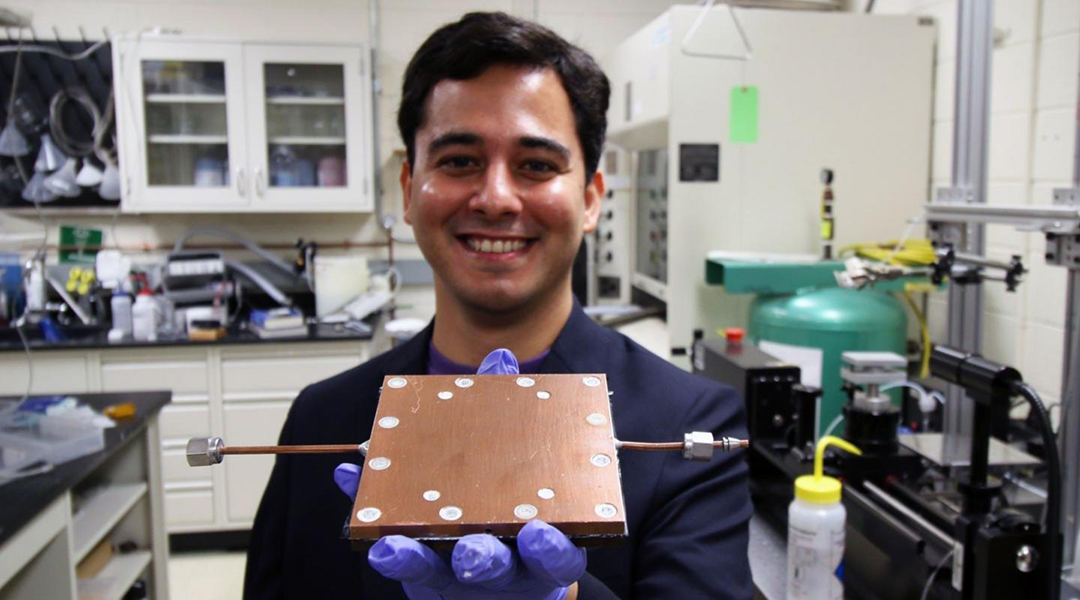
A breakthrough diode overcomes limitations in thermal heat management for better electronics and advanced spacecraft materials.
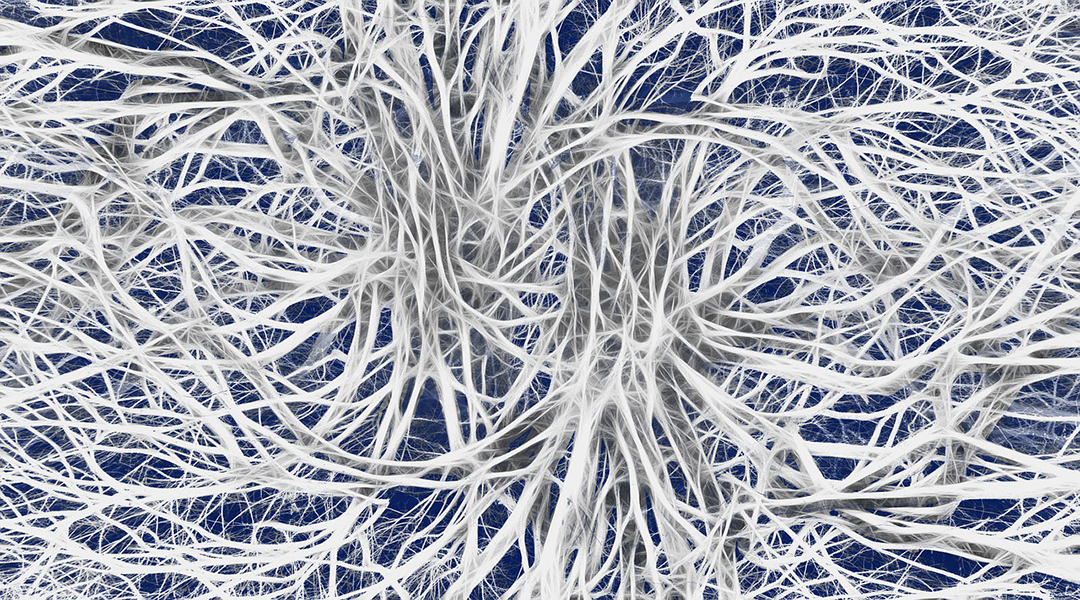
Scientists have found a way to repair damaged peripheral nerves using engineered biomaterials that better support platelets.
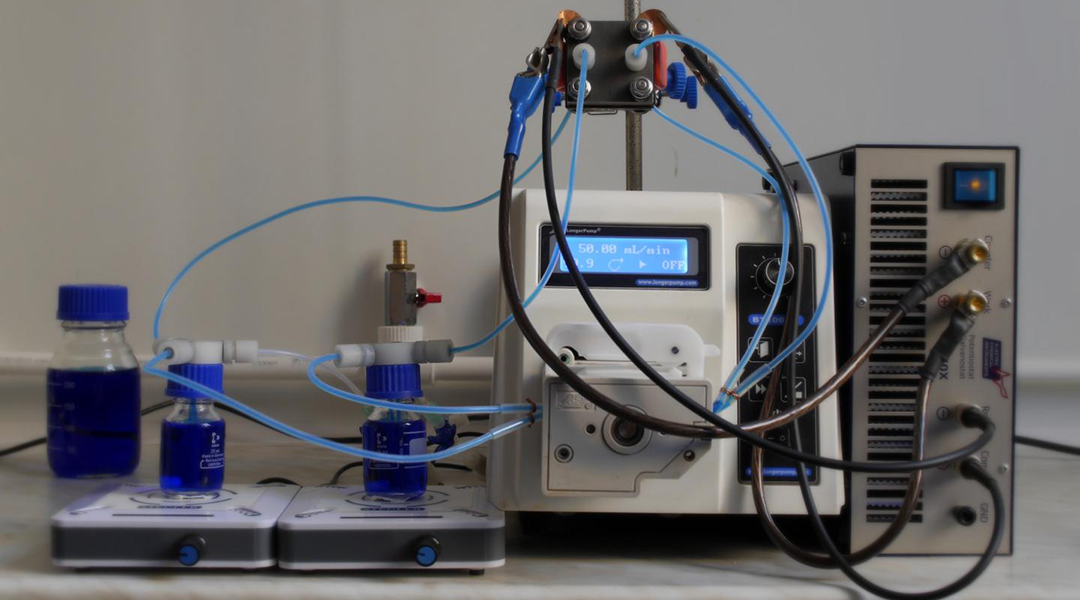
A new design for vanadium redox flow batteries could help fundamental research and accelerate commercialization of this energy storage technology.

Cosmic gas cloud blinks in sync with circling black hole.
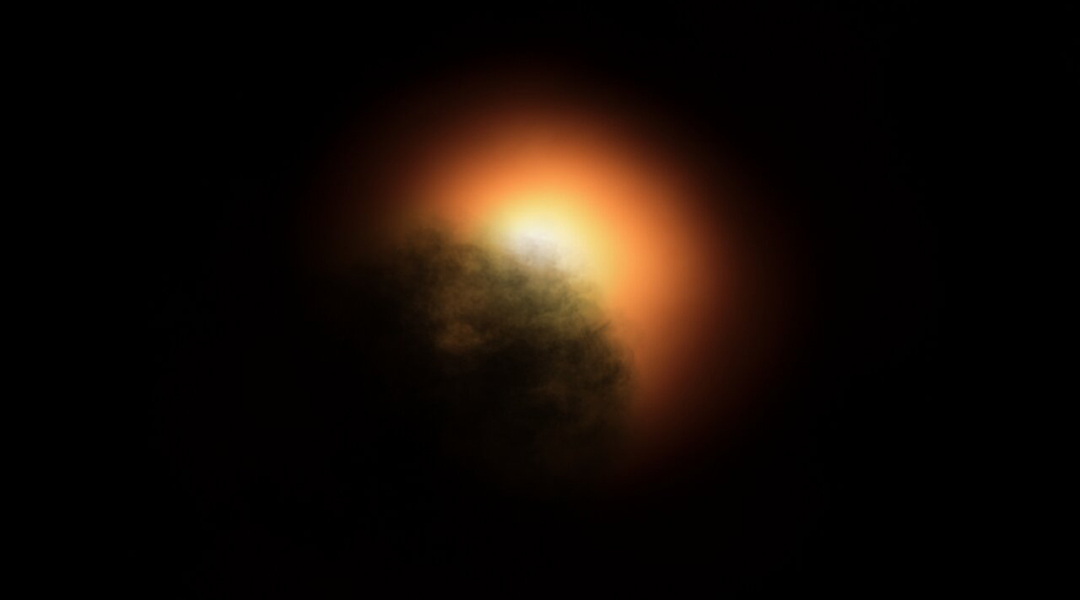
New observations suggest that the unexpected dimming of the supergiant star was most likely caused by a dust cloud that blocked starlight coming from the star’s surface.
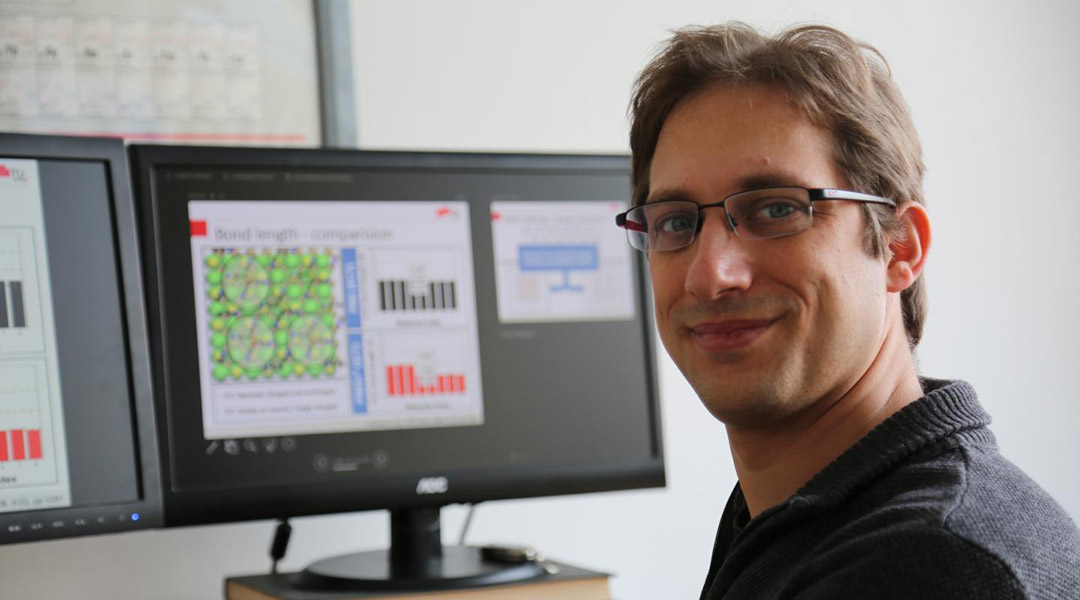
Simulations at Graz University of Technology refute earlier theories on long-range charge transfer between organic and inorganic materials.

Deliberate decline in carbon-intensive practices is currently taking shape as a new way to confront climate change.
 New theory suggests gravity is not a fundamental force
 Higgs boson may be driving the Universe’s expansion
 Water-powered gadgets may be on the horizon thanks to new evaporation-based energy device
 Scientists discover a new class of antibiotics
 Micron-sized hidden dimensions could solve two of physics’ deepest puzzles
 A new type of dark matter could explain mysterious radiation from the Milky Way’s core