Experts think humans should be able to safely travel to and from Mars, but harmful solar radiation poses some technological challenges.
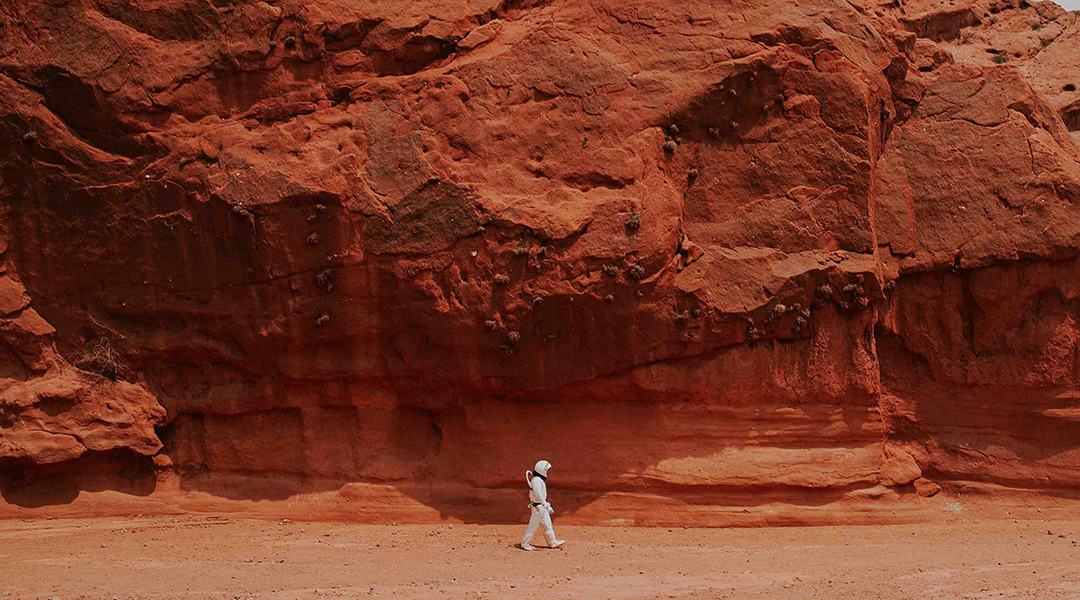

Experts think humans should be able to safely travel to and from Mars, but harmful solar radiation poses some technological challenges.
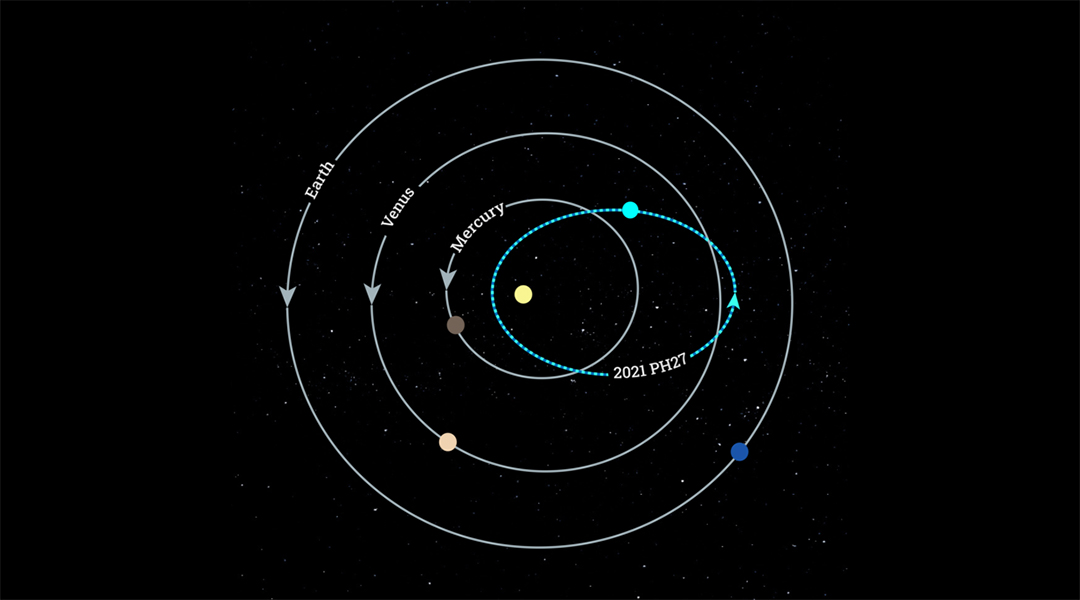
A new asteroid that orbits the Sun in just 113 days was recently discovered in twilight images.

Your “friendly neighborhood astrophysicist” Becky Smethurst is enthusiastically exploring the universe and educating us along the way.
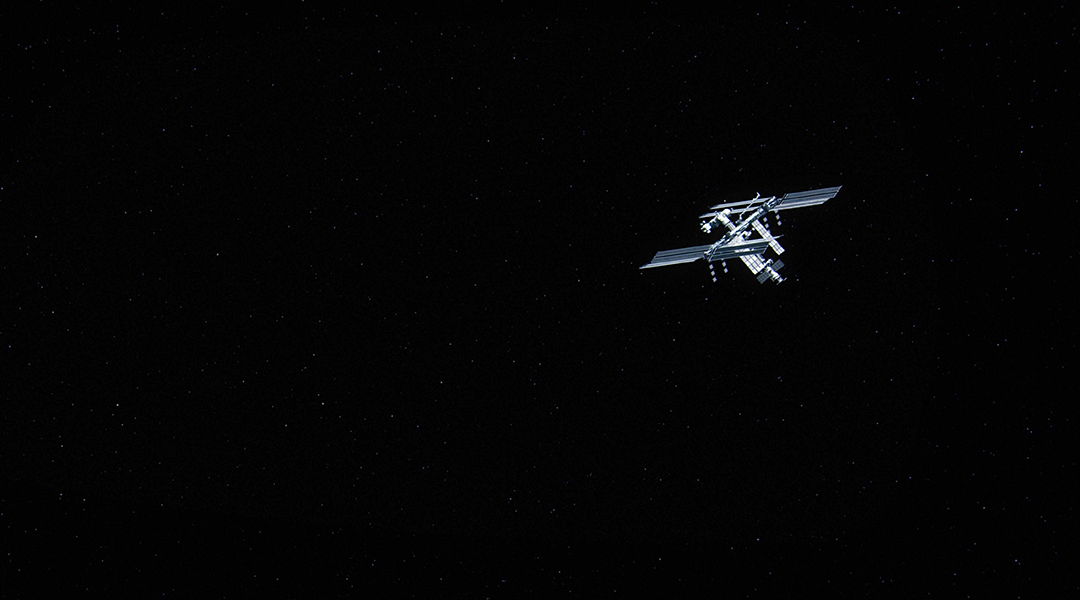
DNA damage by radiation is a concern for space travelers. New experiments on the ISS show that CRISPR gene editing tools can function in space and can potentially be used to mitigate these effects.

Wave power has the potential to offset 64% of the United States’ energy consumption, but funding and technology has caused a standstill.
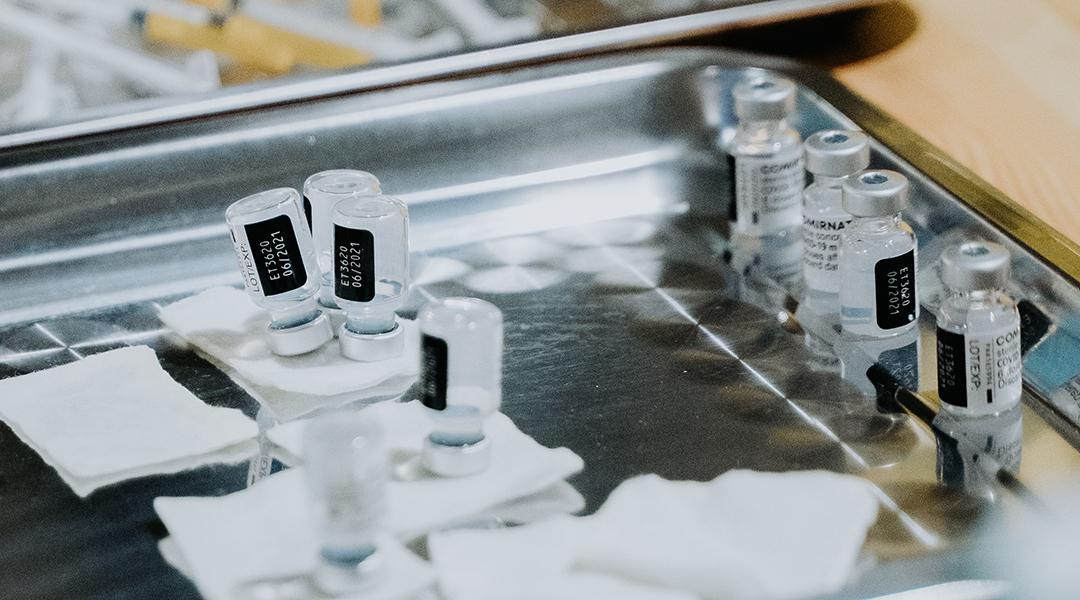
COVID-19 is unlikely to be the last coronavirus to spill over to humans. Scientists are working to make a universal vaccine to combat future outbreaks.
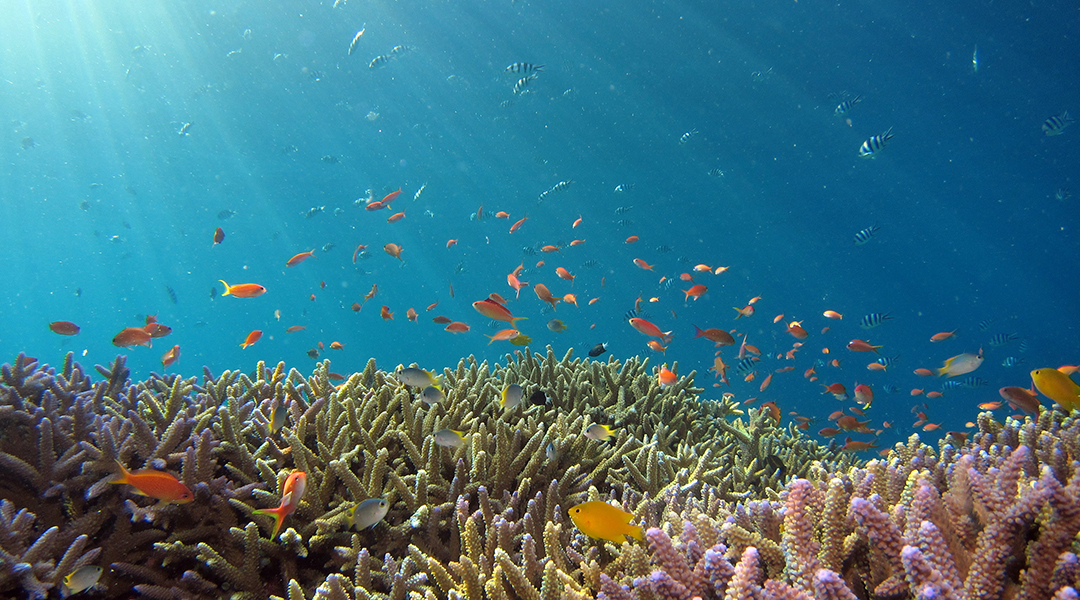
While extreme heat from climate change caused bleaching among the less disturbed coral reefs, those located in more populated and polluted waters adapted.

While some would contend that materials discovery will breathe life into a hydrogen economy, it cannot realize its full potential unless production becomes less costly and more efficient.

Major climate change effects are irreversible, though there is still a small window of time to mitigate the worst.
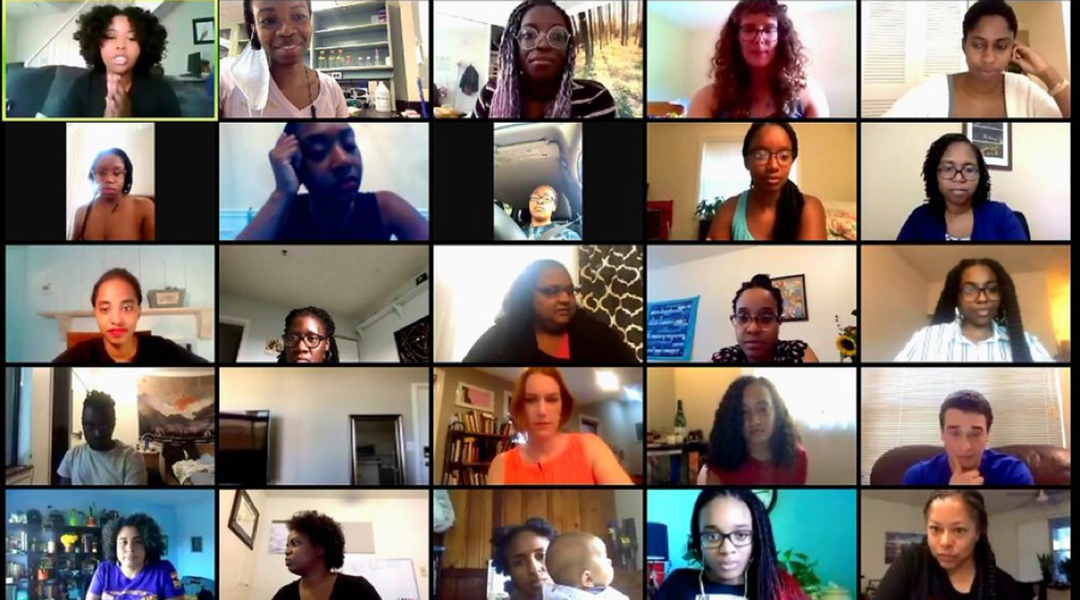
Last August, #BlackinChem took the world by storm. This year, we spoke with two of the event’s organizers, Devin Swiner and Zemen Berhe, to learn more about what’s in store.
 New theory suggests gravity is not a fundamental force
 Higgs boson may be driving the Universe’s expansion
 Water-powered gadgets may be on the horizon thanks to new evaporation-based energy device
 Scientists discover a new class of antibiotics
 Micron-sized hidden dimensions could solve two of physics’ deepest puzzles
 A new type of dark matter could explain mysterious radiation from the Milky Way’s core