This hydrogel can be programmed to reversibly switch its mechanical properties in response to a simple environmental cue.
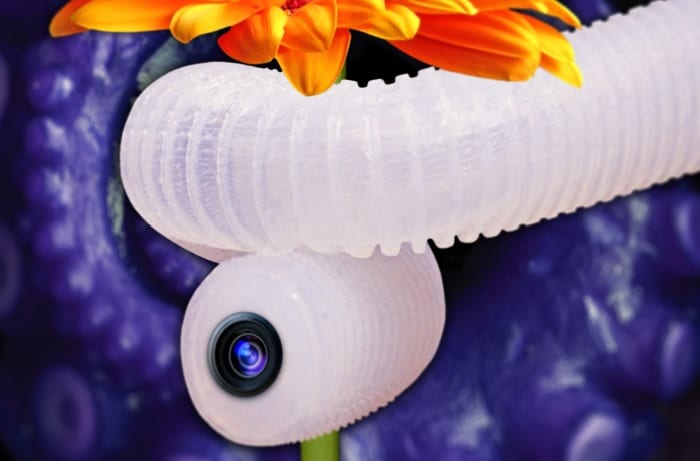

This hydrogel can be programmed to reversibly switch its mechanical properties in response to a simple environmental cue.
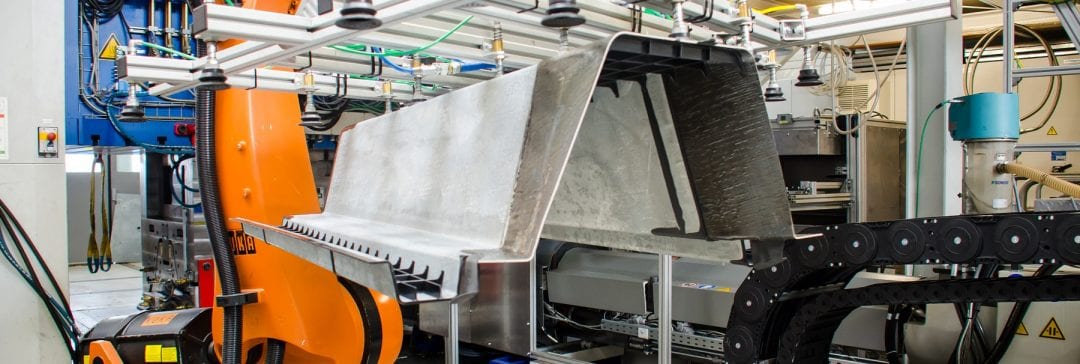
KraussMaffei advances the development of new hybrid materials and processes in collaboration with the Dresden University of Technology

Researchers have used hydroprinting – a new and versatile technique – to prepare conductive features on 3D objects.
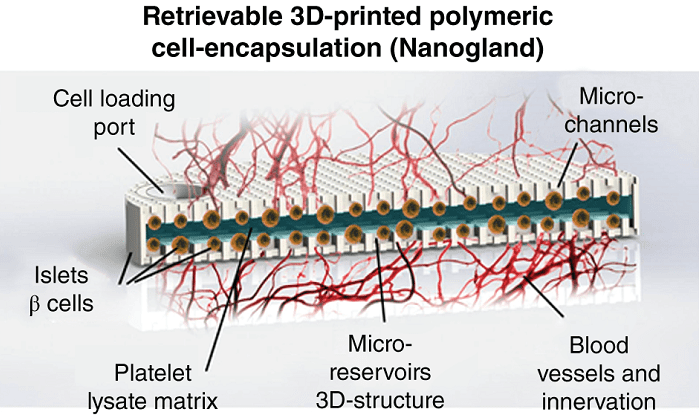
Nanofluidic implantables represent a recent advance in a broad effort for developing personalized, point-of-care medical technologies.
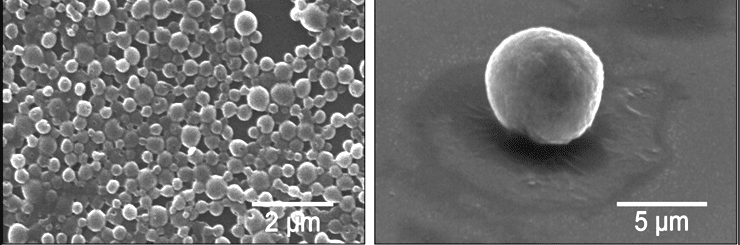
Researchers have developed a controlled-release drug delivery system that uses focused ultrasound as an active induction method.
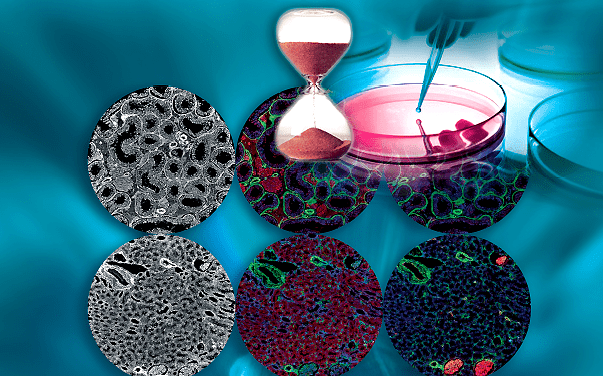
The recently published Part II Special Issue on High Throughput and High Content Imaging and Cellular Informatics.
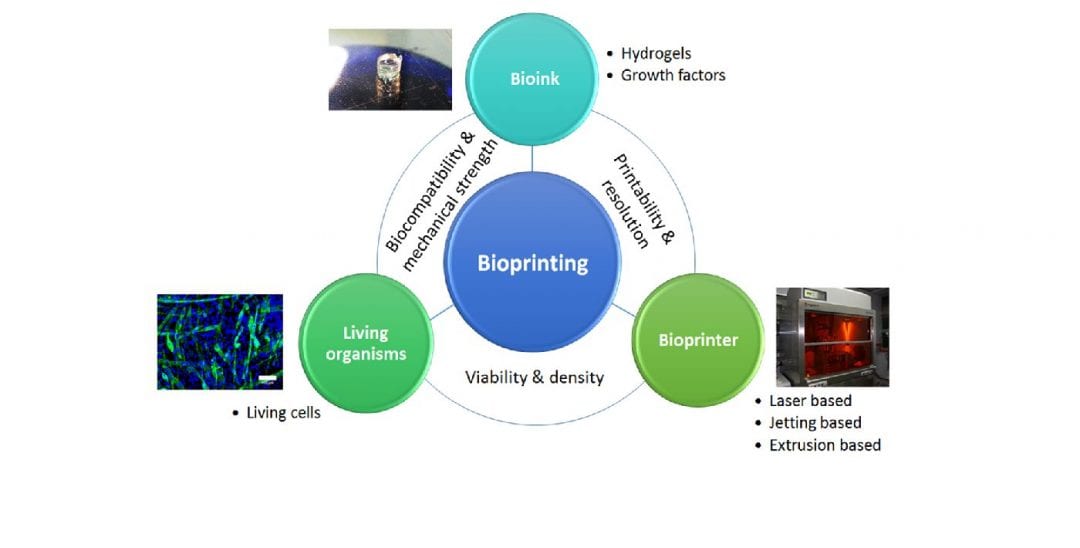
The properties and use of thermo-responsive hydrogels in bioprinting are discussed in a recent review by R. Suntornnond et. al.
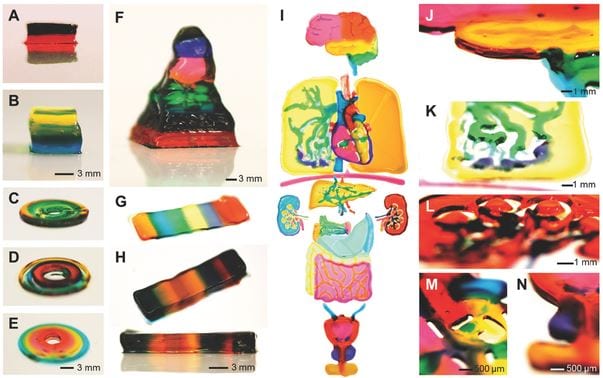
The initial foundation to achieve biomimetic human robots may be here, via a platform for the rapid fabrication of biologically relevant artificial tissues and organs which was recently proposed.
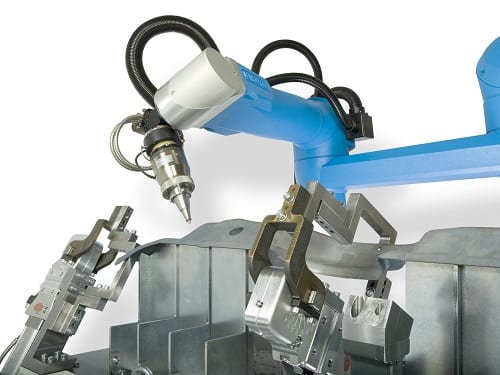
Jenoptik’s new laser cutting machine Votan ranks among the most precise systems in its class.
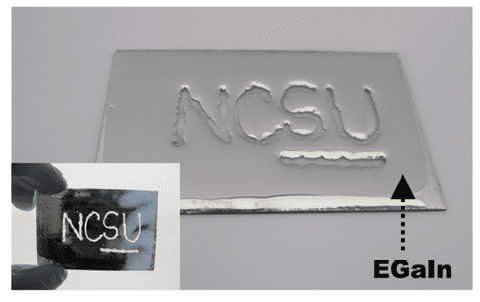
Michael Dickey and colleagues at the North Carolina State University have found a very simple way to pattern liquid metals.

 Micron-sized hidden dimensions could solve two of physics’ deepest puzzles
 Turning Periods into Power: Menstrual Blood a Valuable Resource for Medical Diagnostics
 Bone loss in obesity traced to gut microbiota
 Surfactants Steer Supraparticle Structure
 Edible electronics realize safe, complex monitoring devices
 Fermilab Confirms Muon g-2 Measurements