A new endeavor explores the idea of topological qubits that are easy to engineer for error-free quantum computing.
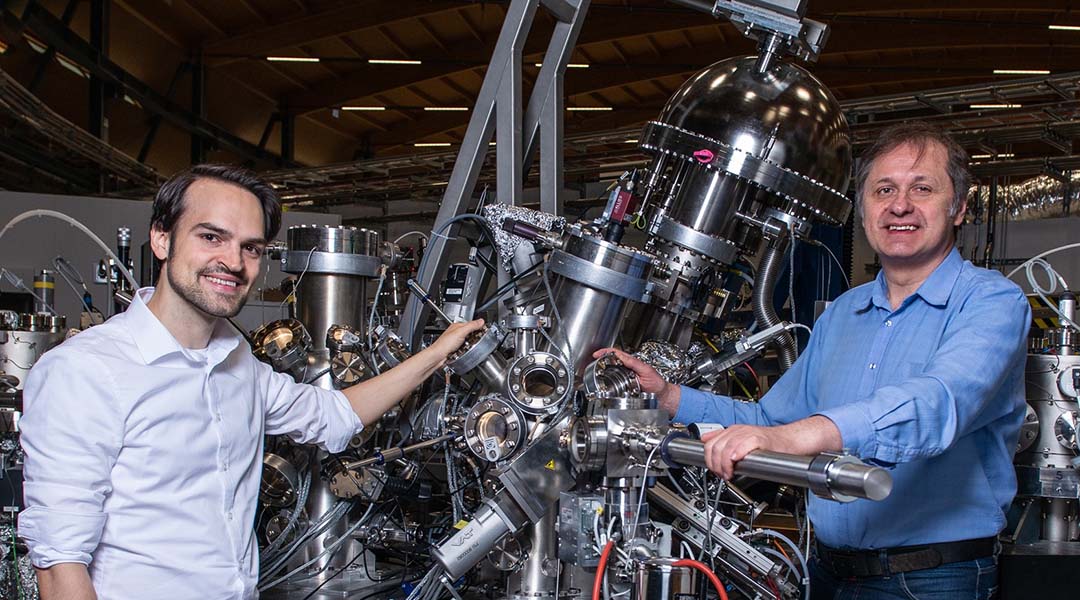

A new endeavor explores the idea of topological qubits that are easy to engineer for error-free quantum computing.

Physicists hope to detect asymmetry in spinning black holes using NASA’s LISA telescope to finally provide proof of quantum gravity.
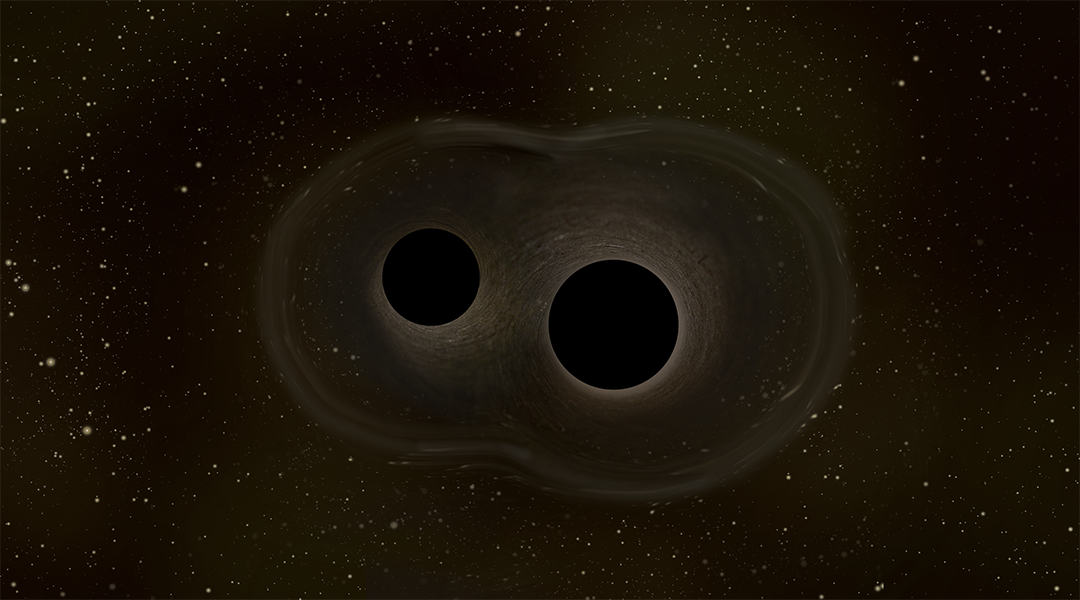
The existence of a quantum membrane is predicted by some theories of gravity, and scientists might be one step closer to identifying one.

What good is a fast computer if you can’t rely on it?
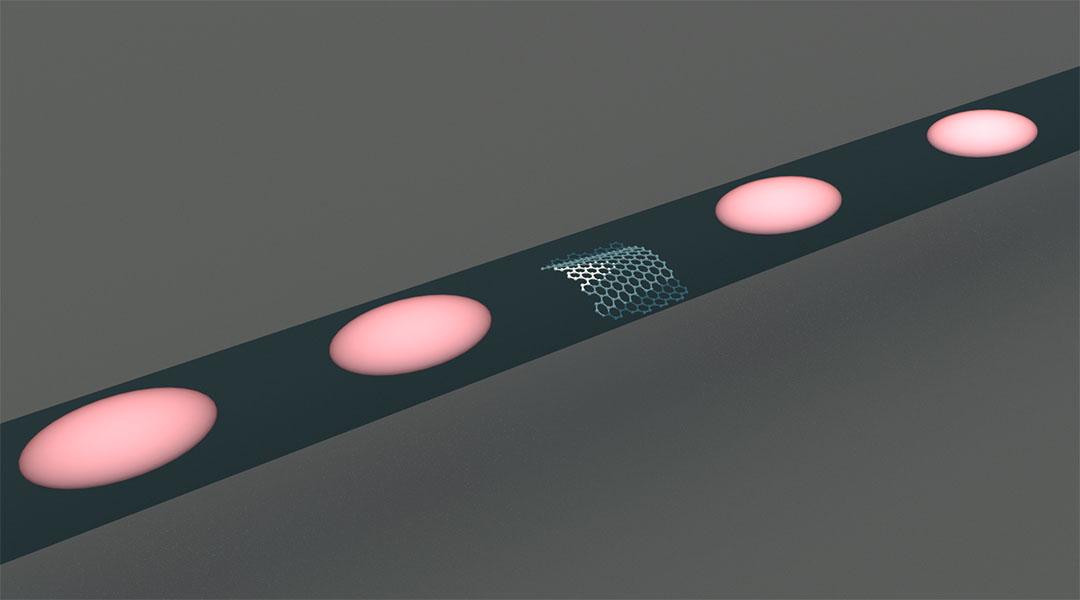
Photonics offer a natural link between communication and computation, providing a potential bridge to build a quantum internet.
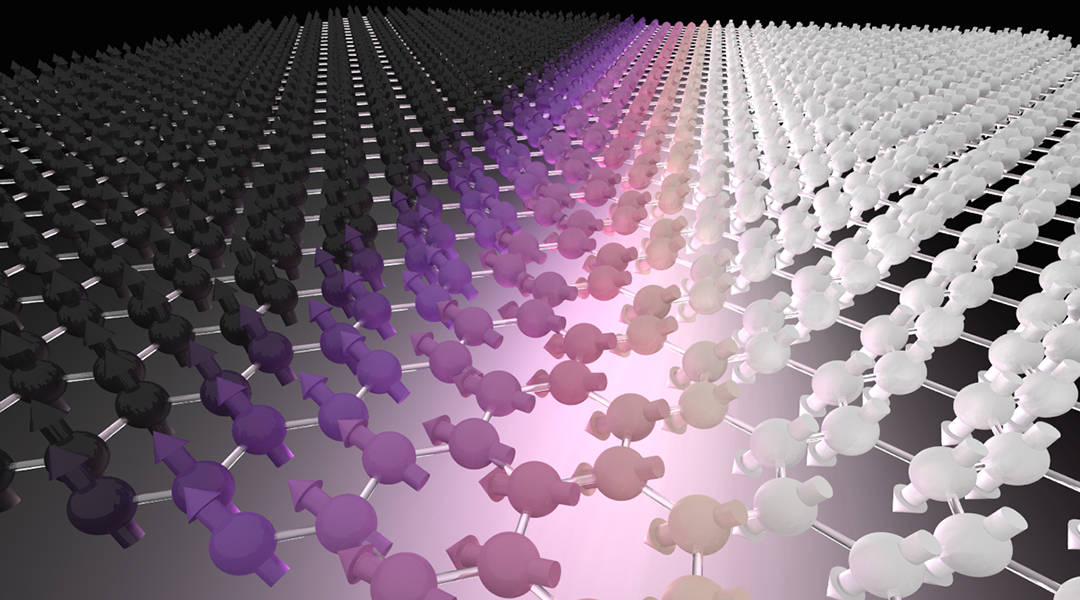
Using theoretical and experimental analysis, researchers aim to better understand the novel and intriguing magnetic properties of 2D materials for the next generation of information technologies.

Researchers were able to detect a “needle” of highly fragile quantum information in a “haystack” of nuclei.
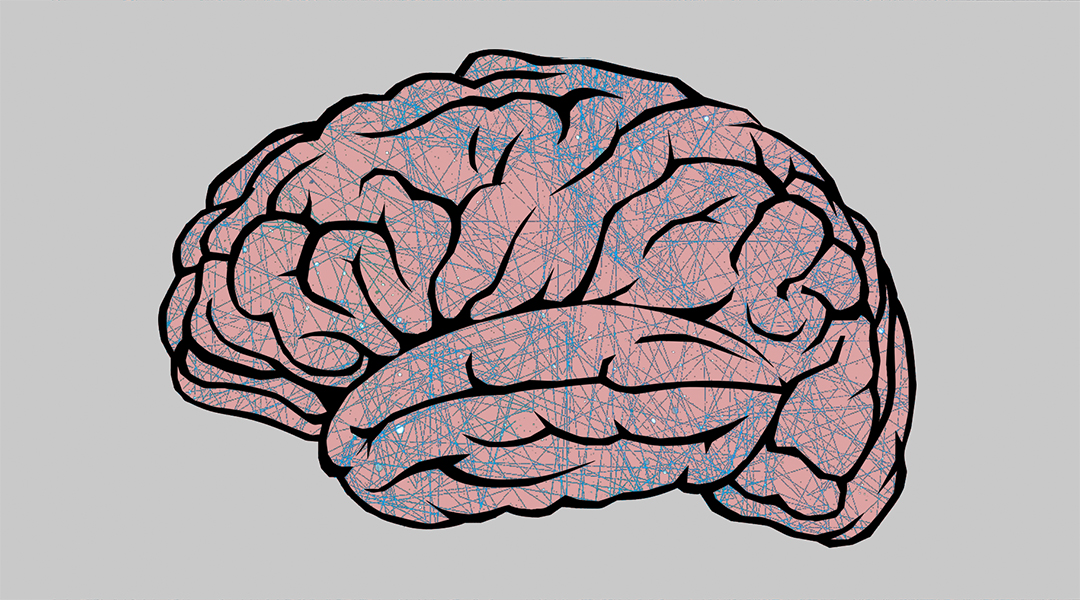
An intelligent material that learns by physically changing itself, similar to how the human brain works, could be the foundation of a completely new generation of computers.
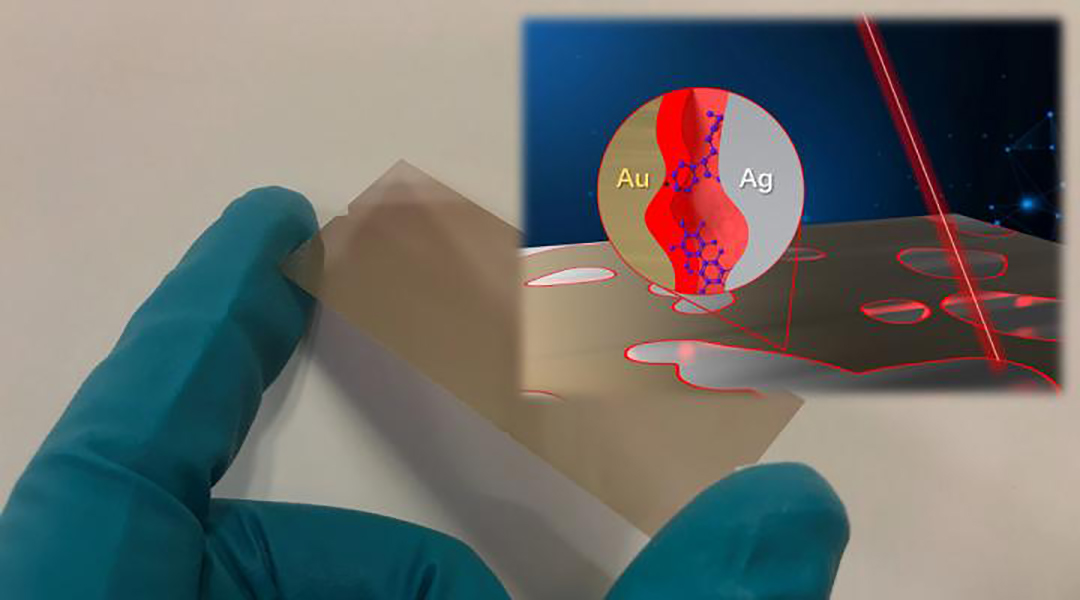
Study shows improvements to chemical sensing chip that aims to quickly and accurately identify drugs and other trace chemicals.

Researchers create a quantum nanochip that is capable of producing stable, high-quality qubits and could open doors for powerful quantum computers.

 Water-powered gadgets may be on the horizon thanks to new evaporation-based energy device
 Micron-sized hidden dimensions could solve two of physics’ deepest puzzles
 Turning Periods into Power: Menstrual Blood a Valuable Resource for Medical Diagnostics
 Kirigami-inspired neural probes are a cut above
 Immune resilience gene signature could hold the key to healthy aging
 Surfactants Steer Supraparticle Structure