Complex 3D nanoscale architectures based on DNA self-assembly can conduct electricity without resistance and may provide a platform for fabricating quantum computing and sensing devices.


Complex 3D nanoscale architectures based on DNA self-assembly can conduct electricity without resistance and may provide a platform for fabricating quantum computing and sensing devices.
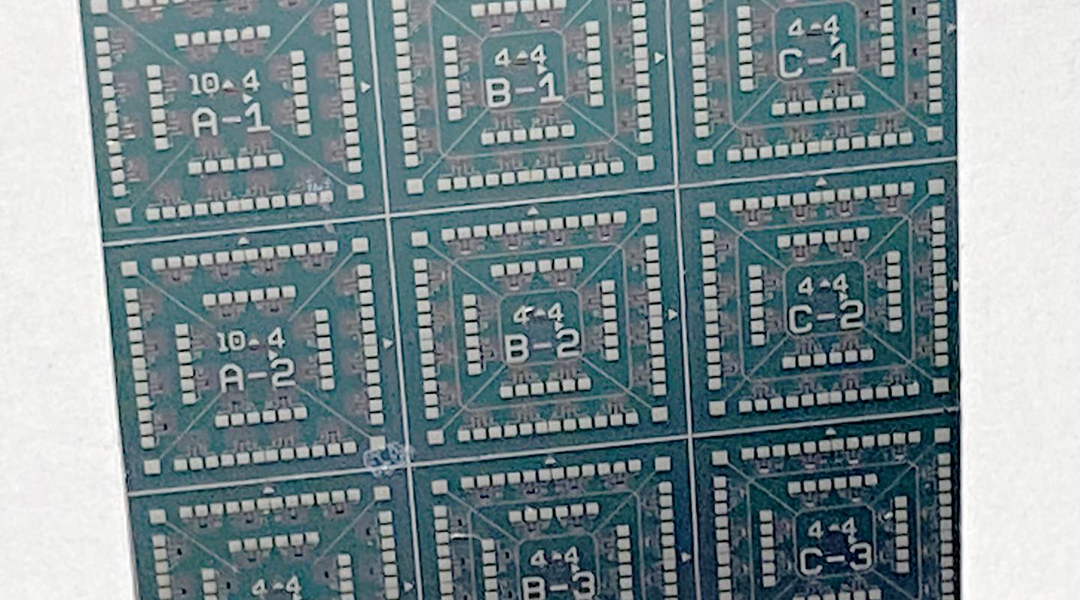
The waste chips of paint you strip off the walls might not be so useless afterall.

New hybrid optical fibers contain 2D materials that enhance light-matter interactions and open doors for a range of new technological advancements.

No formal scientific education, a single mother, author of 103 scientific papers, the first person to see a corona virus, June Almeida was a tour de force.

Could a new understanding of silicon surfaces someday revolutionize semiconductor technologies?
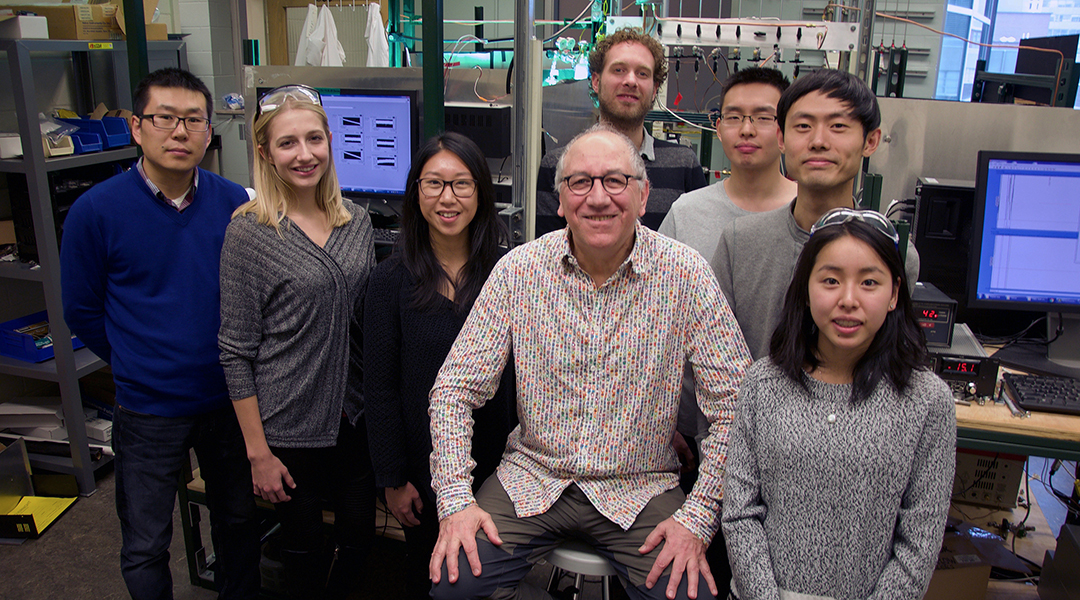
To celebrate his upcoming 77th birthday, we reached out to nanochemist and long-time ASN contributor, Geoffery Ozin, to discuss his colorful career, current projects, and plans for the future.

Computer simulations provide a better means of optimizing, predicting, and understanding experimental observations in the search for new battery materials.
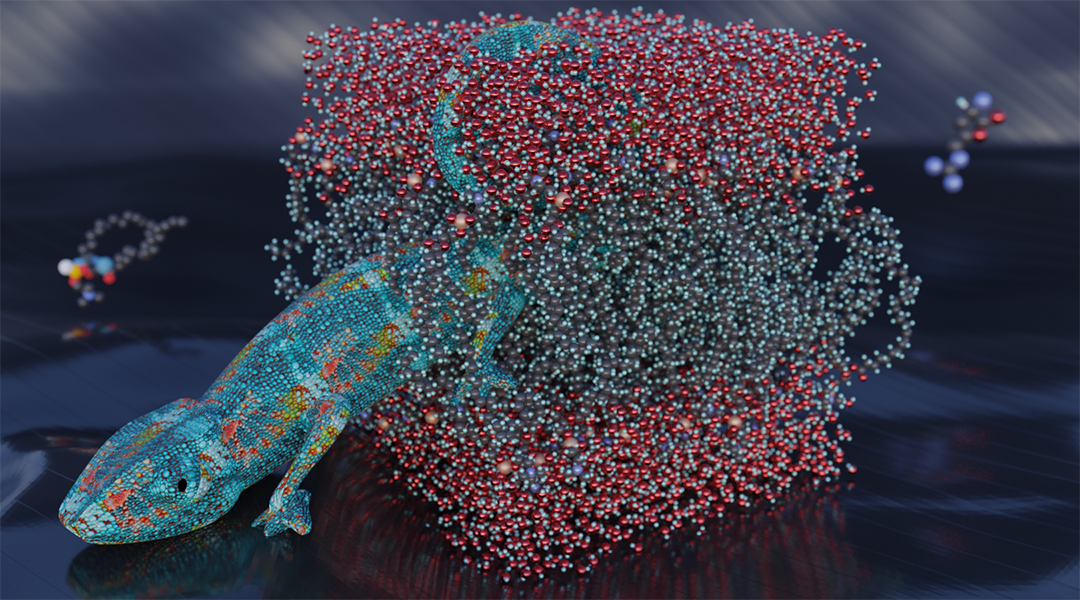
Computational methods allow researchers to delve deeper into molecular processes, beyond what can easily be achieved with current experimental techniques.
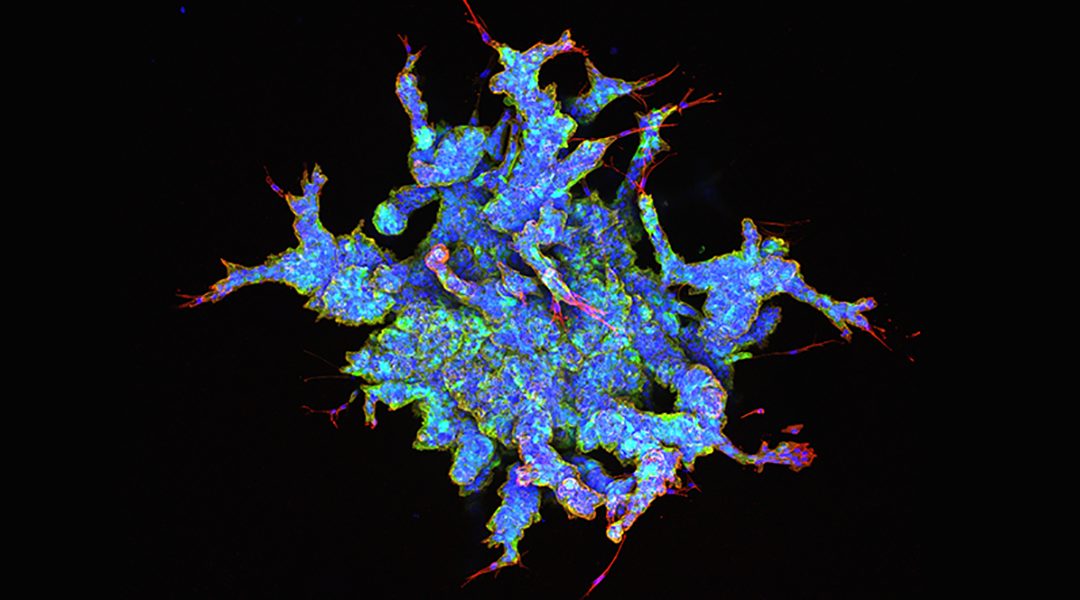
Here, we take a look at some of the most intriguing scientific images published in June 2020.

X‐ray absorption spectroscopy represents a valuable characterization tool for complex materials like multialkali antimonides.
 New theory suggests gravity is not a fundamental force
 Higgs boson may be driving the Universe’s expansion
 Water-powered gadgets may be on the horizon thanks to new evaporation-based energy device
 Scientists discover a new class of antibiotics
 Micron-sized hidden dimensions could solve two of physics’ deepest puzzles
 A new type of dark matter could explain mysterious radiation from the Milky Way’s core