Improving food storage with biodegradable polymers that can prevent food products from rapidly spoiling and help the growing difficulty of waste build up in the environment.
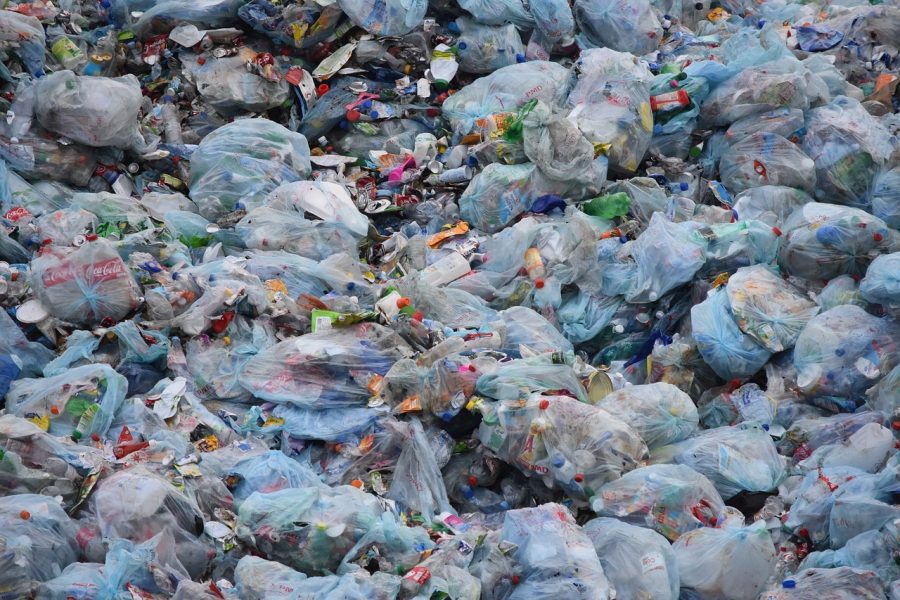

Improving food storage with biodegradable polymers that can prevent food products from rapidly spoiling and help the growing difficulty of waste build up in the environment.
A novel polymer membrane removes impurities from natural gas without the need for toxic solvents.

On 8-10 August 2019, Texas A&M University will welcome polymer scientists from the USA and abroad for an engaging two and a half days of talks. We are excited to announce that the 15th International Conference on Polymers for Advanced Technologies (PAT 2019) will...
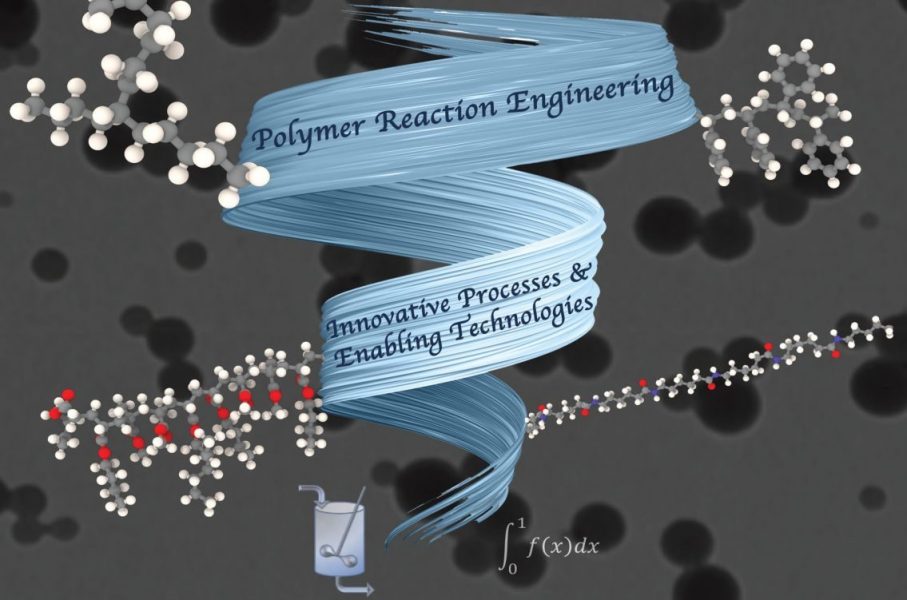
Macromolecular Reaction Engineering presents recent progress in innovative processes and enabling technologies, guest edited by John Tsavalas and Kim McAuley

Seawater‐assisted, self‐healing, metal–catechol polyurethanes show promise in marine environments.
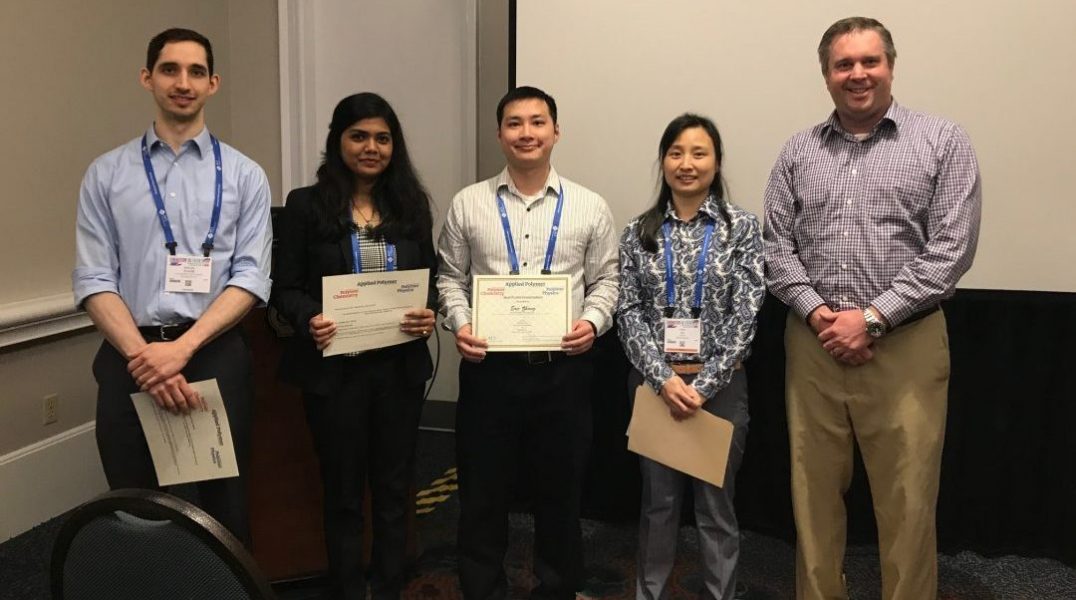
Young scientists recognized for their work in polymer science.
Processing and maturation of precursor RNA species is coupled to RNA polymerase II transcription. Co‐transcriptional RNA processing helps to ensure efficient and proper capping, splicing, and 3′ end processing of different RNA species to help ensure quality control of the transcriptome.
Antimicrobial polymers as a promising alternative to traditional antibiotic treatments.
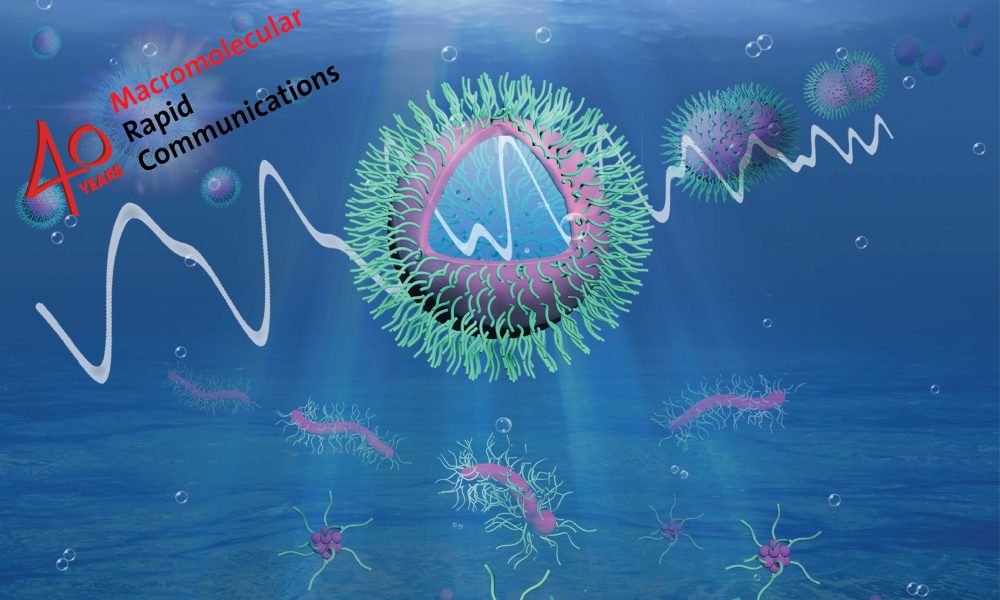
Polymerization‐induced self‐assembly (PISA) has become increasingly popular over the last decade. Macromolecular Rapid Communications has dedicated a special issue to this exciting field.
Re-exploring poly(N,N‐dimethylaminophenylene methacrylamide) as a novel antimicrobial polymer.
 French WEST reactor breaks record in nuclear fusion
 New theory suggests gravity is not a fundamental force
 Quantum entanglement visualized for the first time ever
 An anti-inflammatory peptide may hold the key to low-back pain relief
 “Cosmic vine” discovered by the James Webb Space Telescope
 Could a nuclear explosion set Earth’s atmosphere on fire?
 The Road to Better Presentation of Data: The Do’s and Don’ts
 The dramatic story behind general relativity’s Nobel Prize snub
 Calculating the true environmental costs of AI
 Ibuprofen’s effect on red blood cells: A prickly affair