Bursting dynamics that mimic the functions of the human brain pave the way for more efficient AI systems.

Bursting dynamics that mimic the functions of the human brain pave the way for more efficient AI systems.
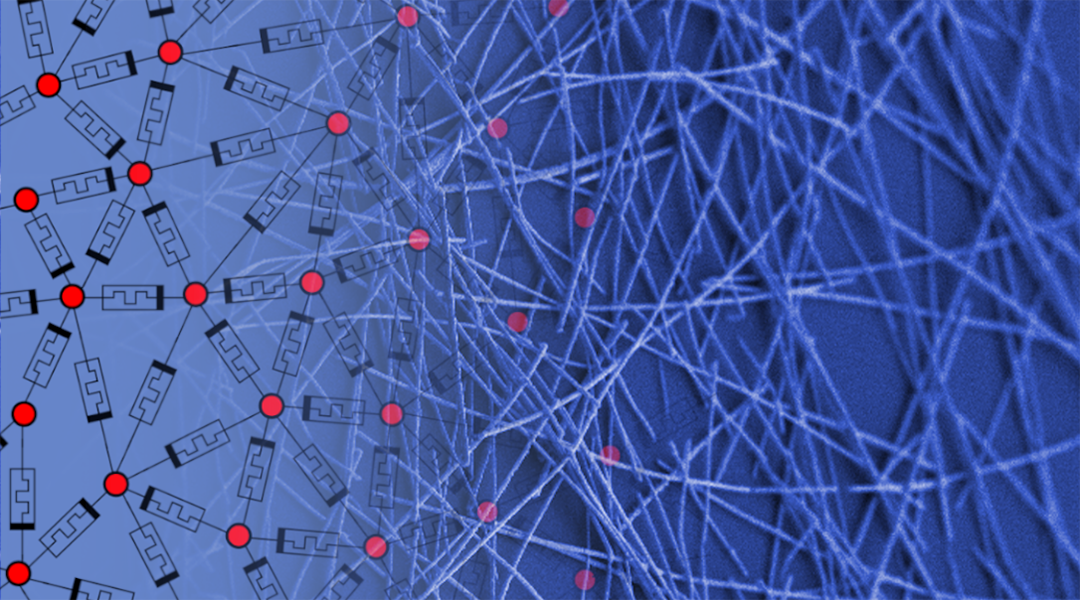
A new bottom-up network built from randomly distributed nanowires can learn, compute, and adapt like a human brain.

Taking a look at the past, present, and future of combinatorial chemistry in materials research.
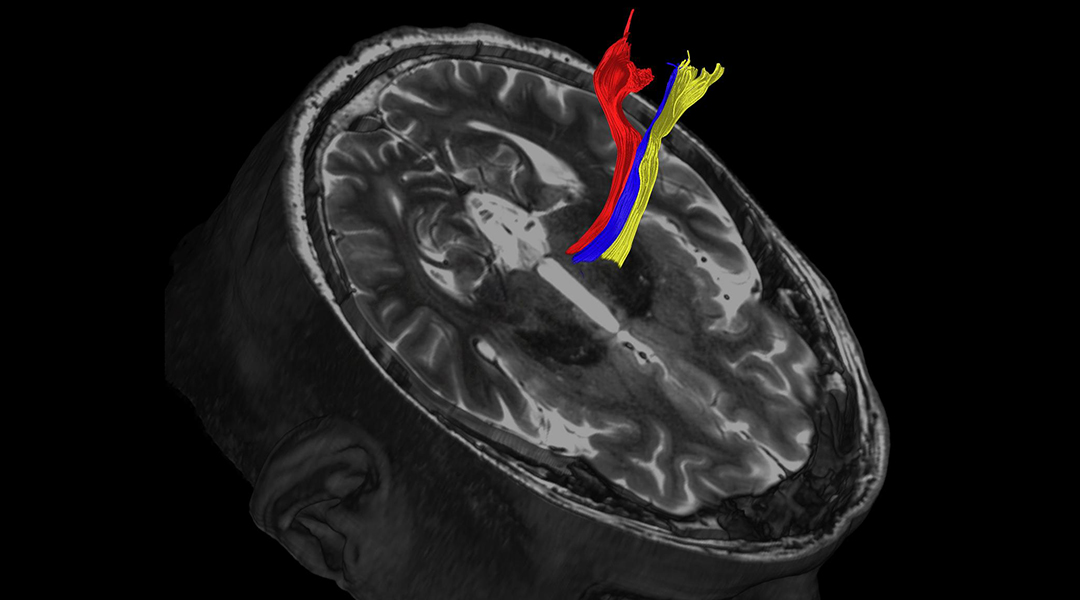
Advanced MRI scans may improve treatment of tremors in patients with Parkinson’s disease.
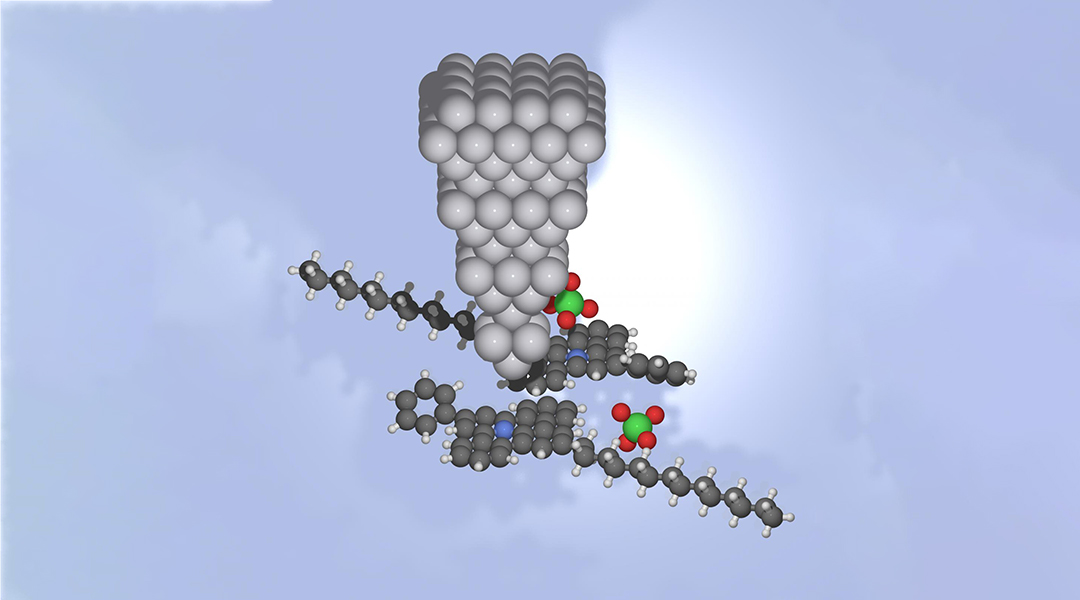
Researchers have discovered a single-molecule “switch” that can act like a transistor and offers the potential to store binary information.
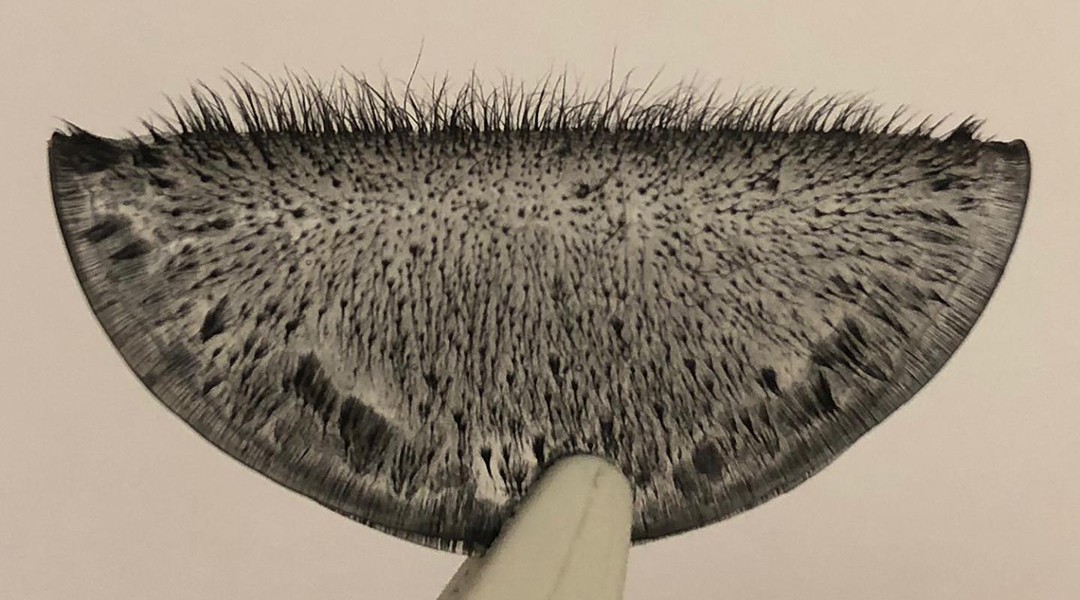
Researchers create an artificial array of magnetic cilia that could contribute to advancing the capabilities of soft robotics.

A new stretchable and conductive nanocomposite shows promise as a biocompatible material for correcting arrhythmia in patients.

With the current COVID-19 pandemic ongoing, we were curious how Wiley journals were publishing the latest research 100 years ago, when another, and worse, pandemic ravaged the world.
Controlling the probability of a series of seemingly random events is the key to mimicking the human brain to optimize neuromorphic learning.
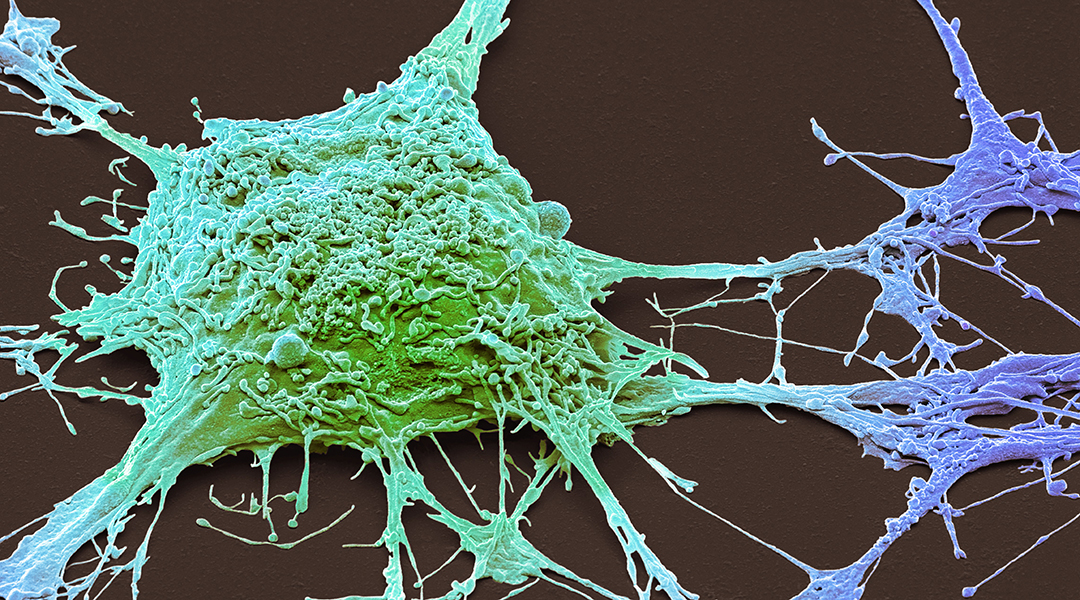
Understanding how mRNA localization changes during healthy brain functions and pathological conditions.
 New theory suggests gravity is not a fundamental force
 Higgs boson may be driving the Universe’s expansion
 Water-powered gadgets may be on the horizon thanks to new evaporation-based energy device
 Scientists discover a new class of antibiotics
 Micron-sized hidden dimensions could solve two of physics’ deepest puzzles
 A new type of dark matter could explain mysterious radiation from the Milky Way’s core