Three potent antibodies against SARS-CoV-2 identified in healthy individuals decades ago raises interesting questions about their origins and evolution.
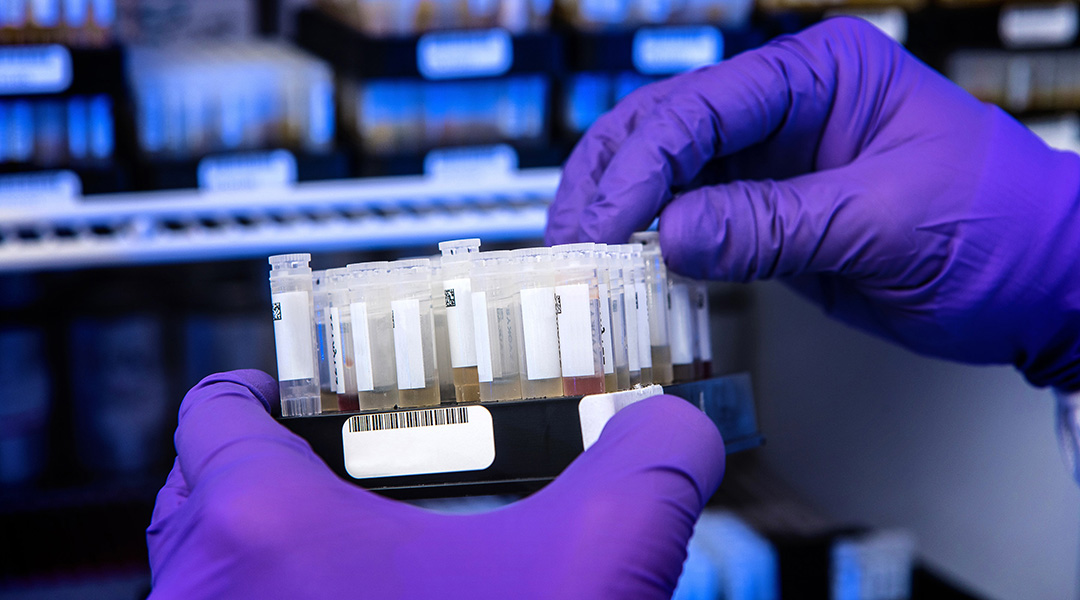

Three potent antibodies against SARS-CoV-2 identified in healthy individuals decades ago raises interesting questions about their origins and evolution.
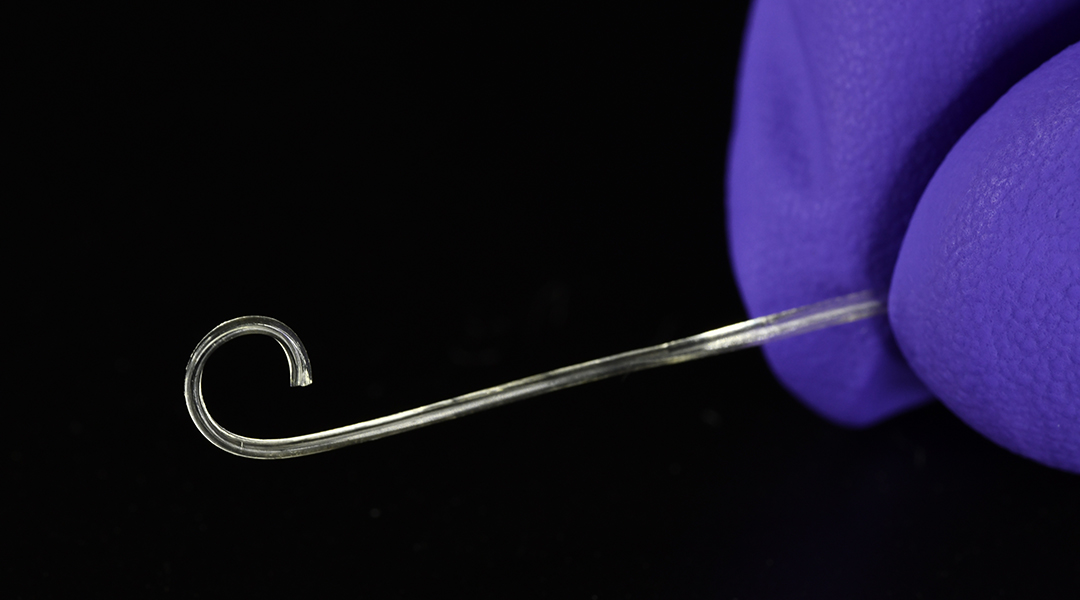
A shape-shifting polymer allows scientists to create a safer implantable device that results in less trauma upon insertion.
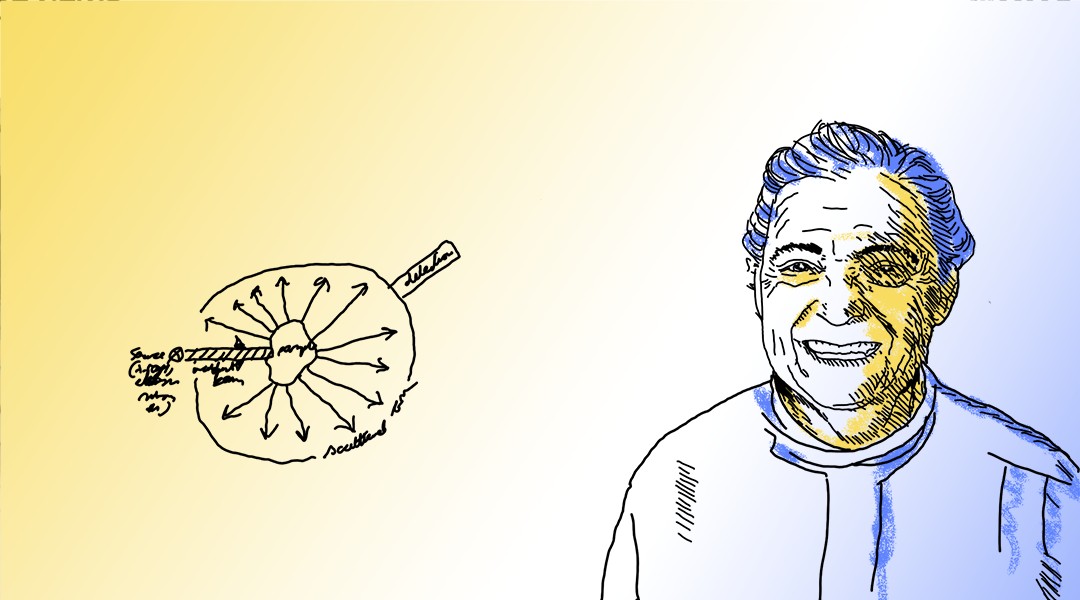
The “Queen of Carbon” made her mark on solid state physics, but no less important is the impact she had as an inclusive and inspirational teacher.

Professor Madhu Bhaskaran creates devices to assess the biometrics of the human body and helps patients feel again.

An expert review finds that booster shots for the general population are not yet necessary since vaccine efficacy against severe COVID-19 remains high.
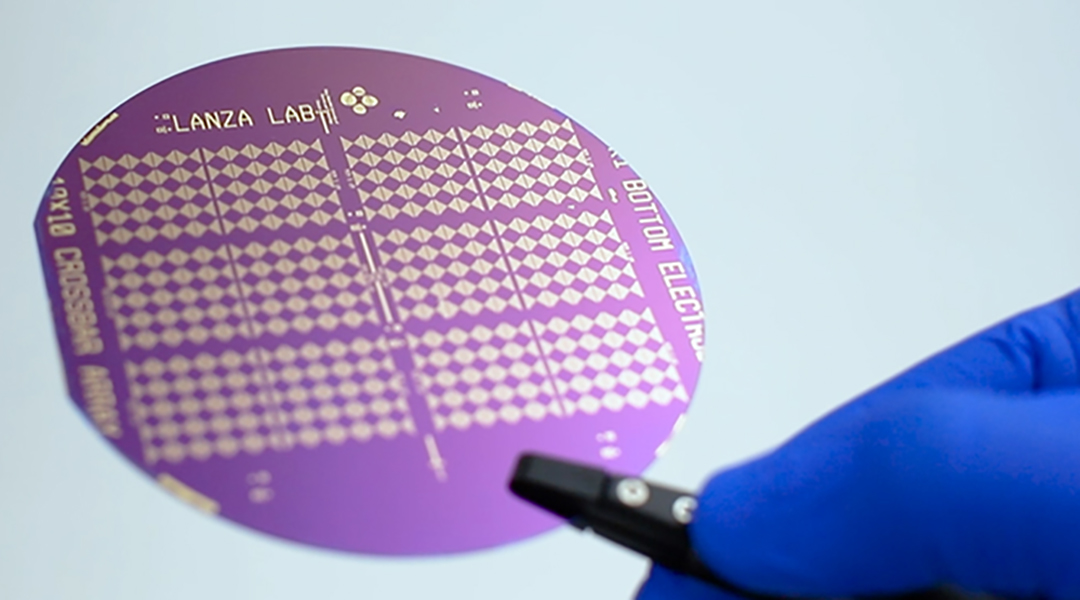
Using atomically-thin 2D films, researchers have developed a nano-scale random number generator with enhanced long-term stability and reduced power consumption.
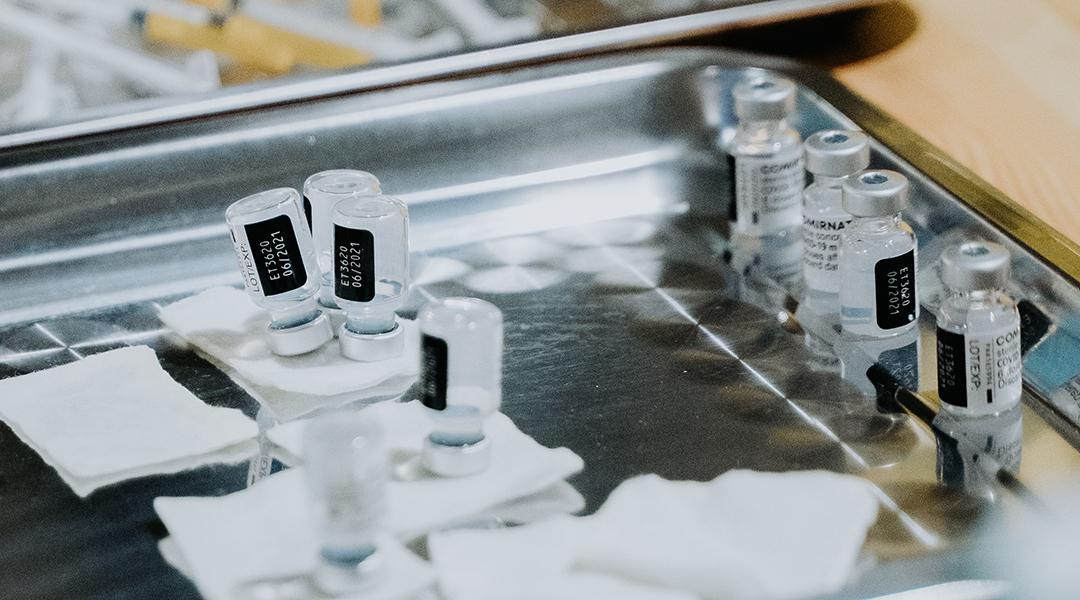
COVID-19 is unlikely to be the last coronavirus to spill over to humans. Scientists are working to make a universal vaccine to combat future outbreaks.
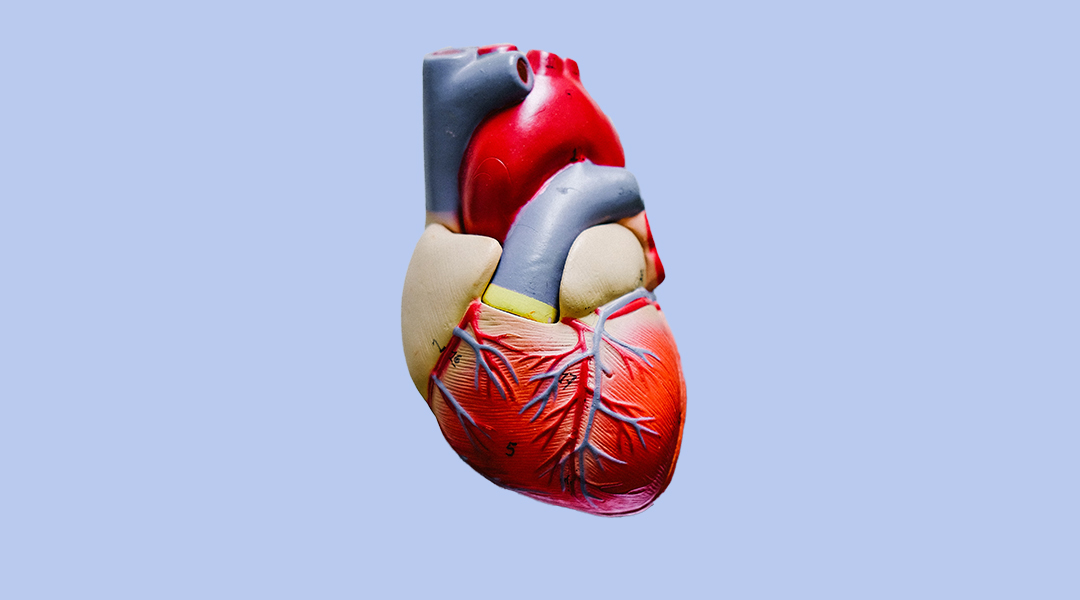
Researchers have created an improved material for arterial stents, which could alleviate the symptoms of coronary artery disease and reduce the risk of heart attack in patients.

Using modified “CrazyFlie” drones, researchers develop a strategy for finding gas leaks more efficiently and without risk to human lives.
A drug that changes conformation in response to light allows researchers to manipulate neural activity and investigate the link between brain states and behavior.
 New theory suggests gravity is not a fundamental force
 Higgs boson may be driving the Universe’s expansion
 Water-powered gadgets may be on the horizon thanks to new evaporation-based energy device
 Scientists discover a new class of antibiotics
 Micron-sized hidden dimensions could solve two of physics’ deepest puzzles
 A new type of dark matter could explain mysterious radiation from the Milky Way’s core