A biocomputer built from connected heart cells solves computational problems with high accuracy and at a low computational cost.
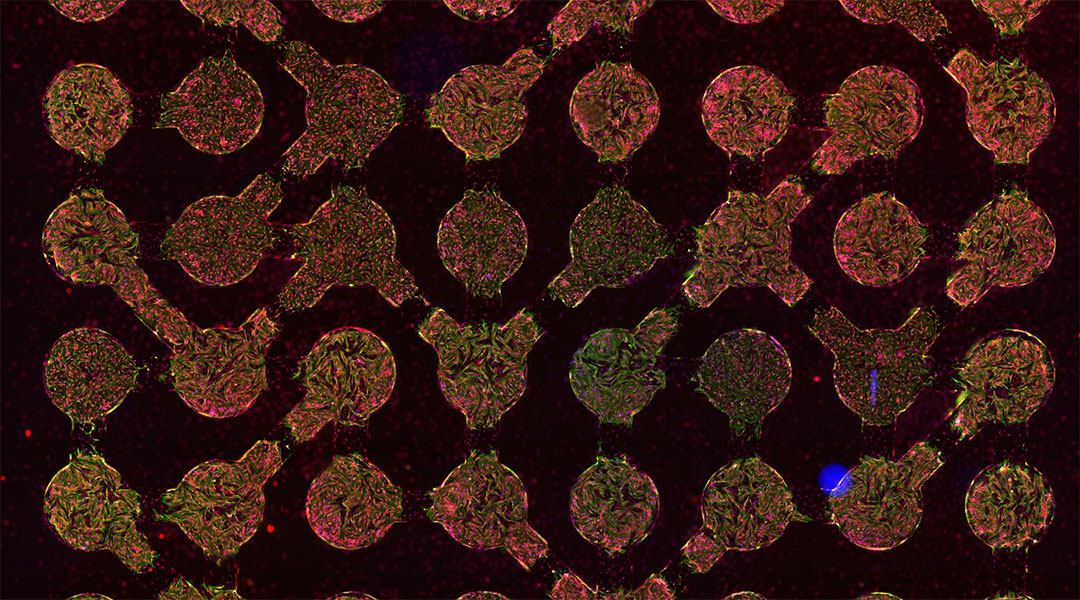

A biocomputer built from connected heart cells solves computational problems with high accuracy and at a low computational cost.

4D printing of metallic shape-morphing systems can be applied in many fields, including aerospace, smart manufacturing, naval equipment, and biomedical engineering.
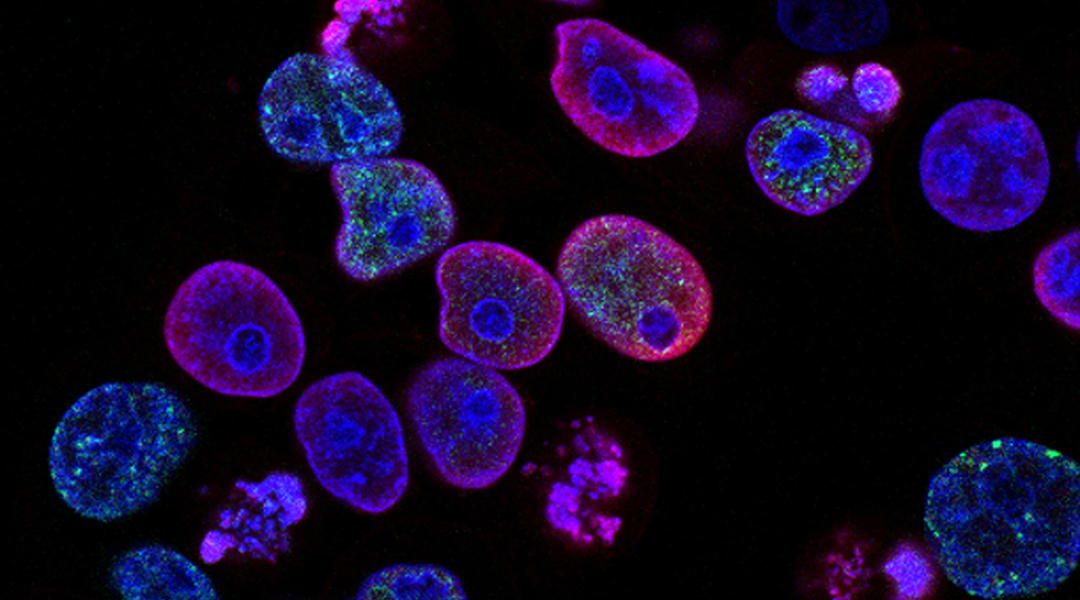
Some tumor cells were found to survive a bout of radiotherapy, eluding researchers by camouflaging as normal cells.
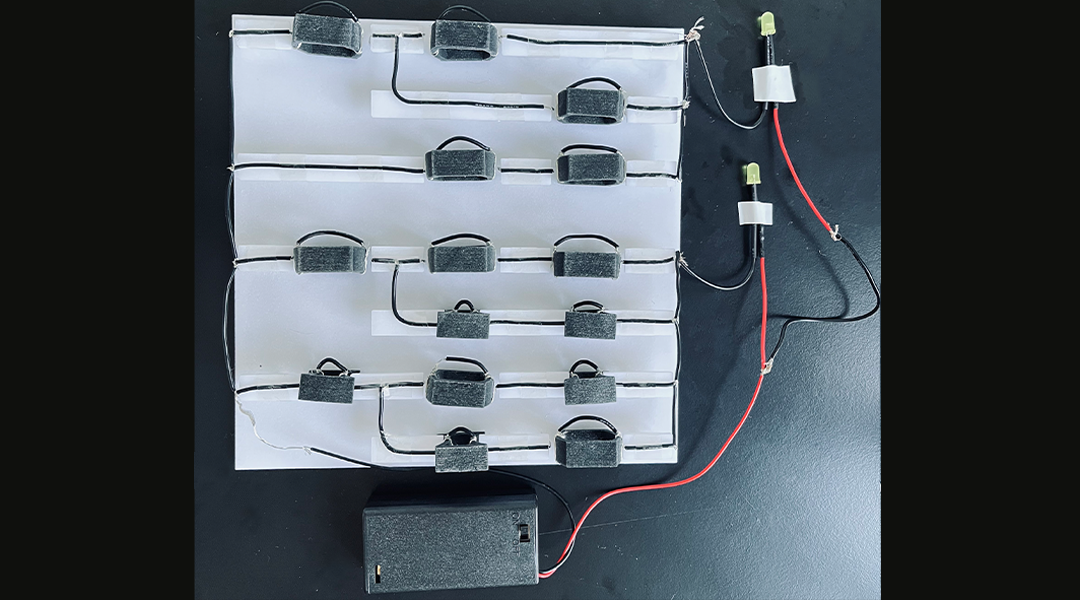
Putting a modern spin on old tech, scientists create a mechanical computer from metamaterials for situations where electronic computers break down.
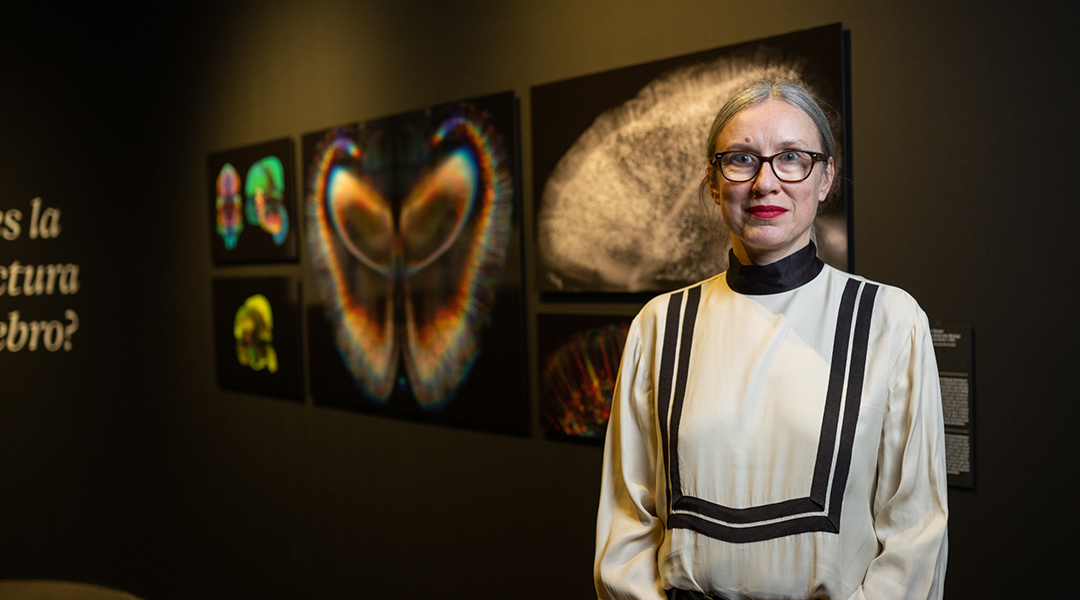
The exhibition Brain(s) uses artistic installations to explore unanswered questions and the relationship between science and culture.
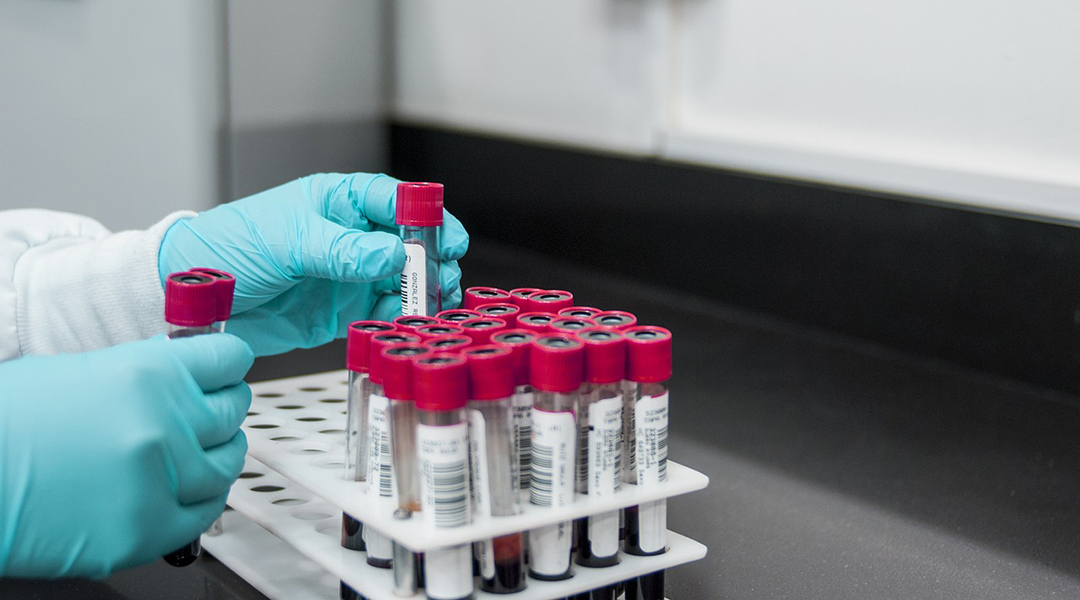
A sensitive blood test has been developed to detect a protein biomarker of Alzheimer’s disease known as brain-derived tau.
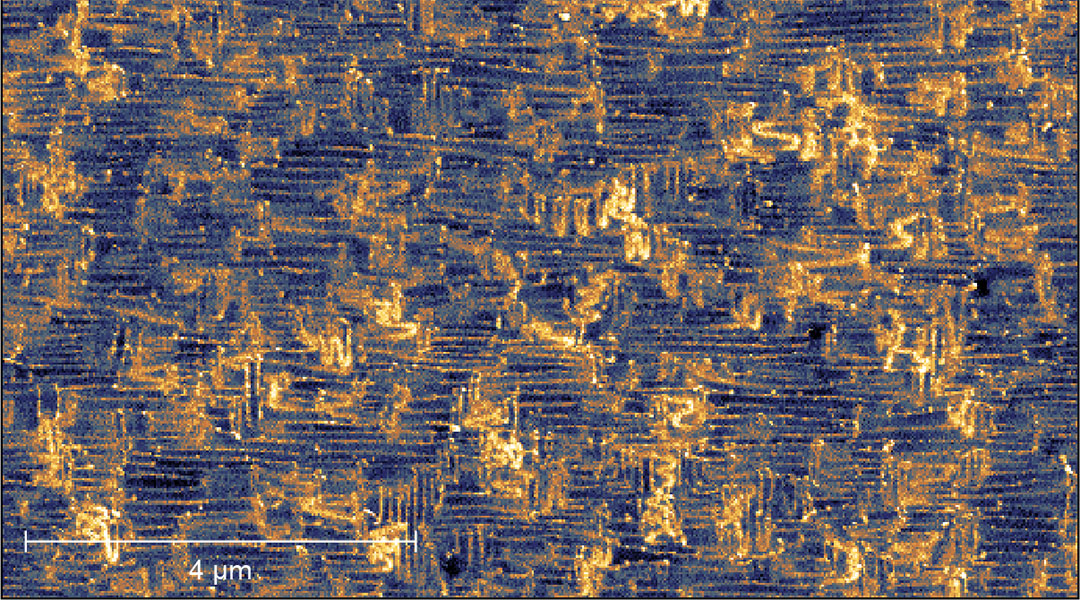
Artificial neural networks made from domain walls mimic synapses and neurons in the brain for neuromorphic computers.
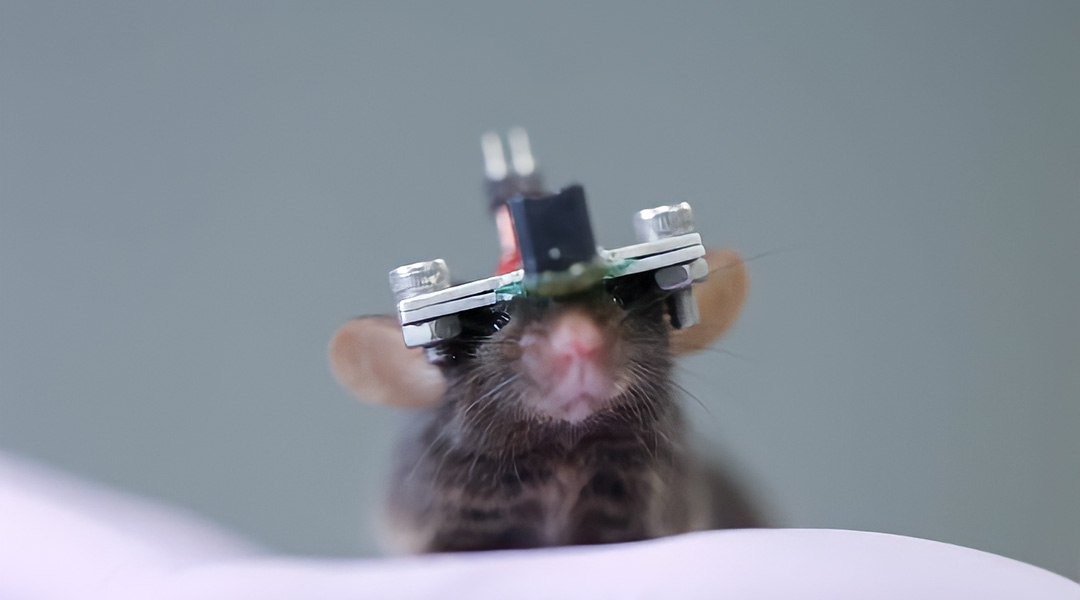
Ultrasound therapy, which stimulates neural pathways, just became easier to evaluate, opening the door for better clinical data.

The power demands of the Internet of Things could be combated with computing systems that mimic biological neurons.
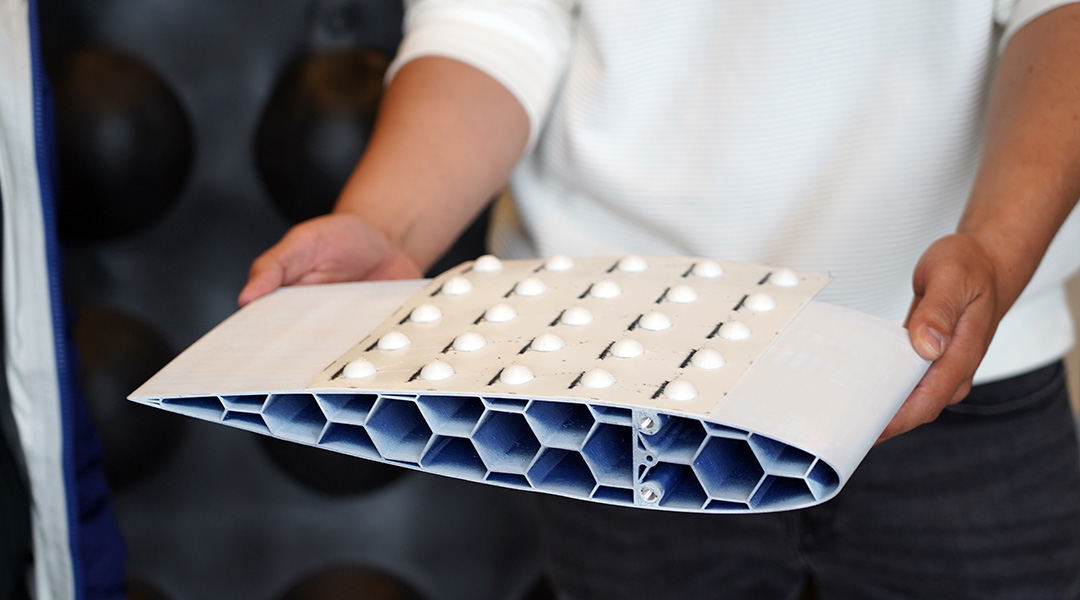
Borrowing its shape from a disposable to-go cup lid, this new drone wing adapts to its surroundings all on its own.
 New theory suggests gravity is not a fundamental force
 Higgs boson may be driving the Universe’s expansion
 Water-powered gadgets may be on the horizon thanks to new evaporation-based energy device
 Scientists discover a new class of antibiotics
 Micron-sized hidden dimensions could solve two of physics’ deepest puzzles
 A new type of dark matter could explain mysterious radiation from the Milky Way’s core