An engineered skin with a new secret ingredient helps avoid harmful inflammation while speeding up the wound healing process.
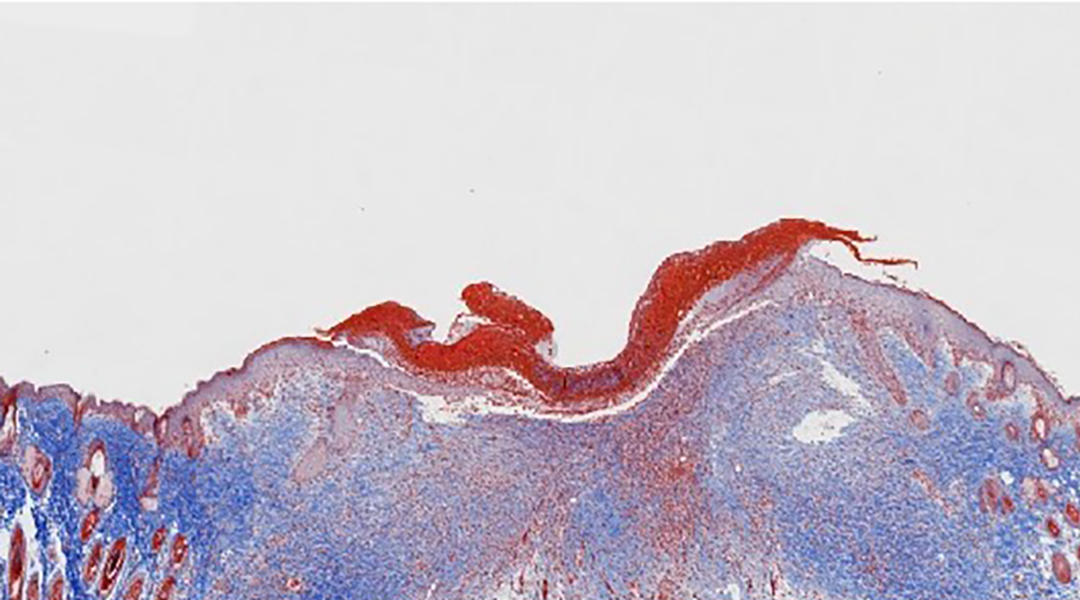

An engineered skin with a new secret ingredient helps avoid harmful inflammation while speeding up the wound healing process.

Study finds air pollution, specifically ozone exposure, has a disruptive affect on the genes responsible for circadian rhythms in the lungs.
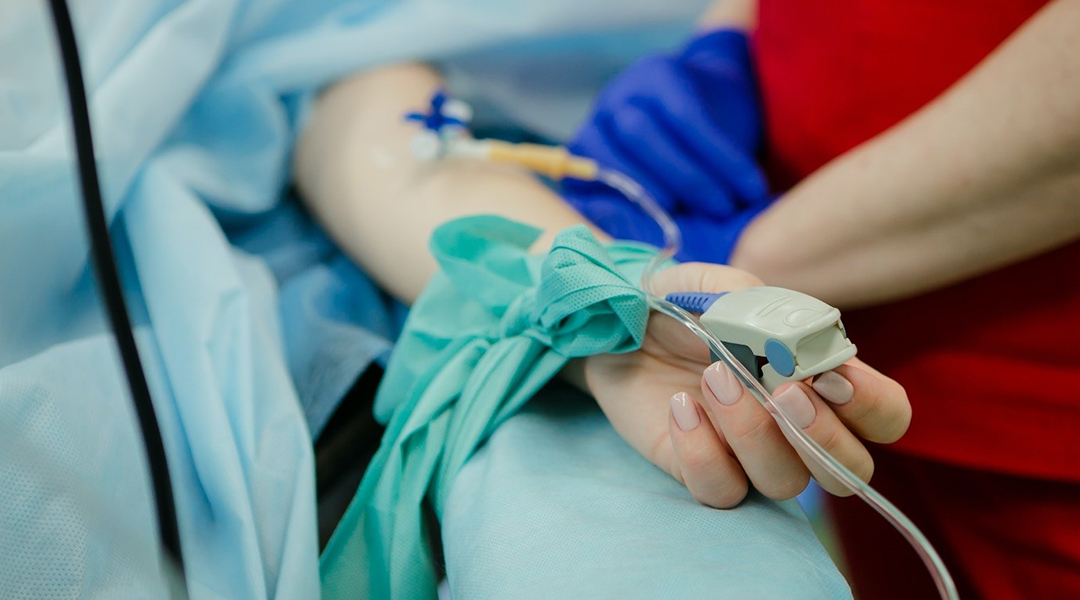
A specific epigenetic signature in patients who respond to chemotherapy offers potential to improve treatment.
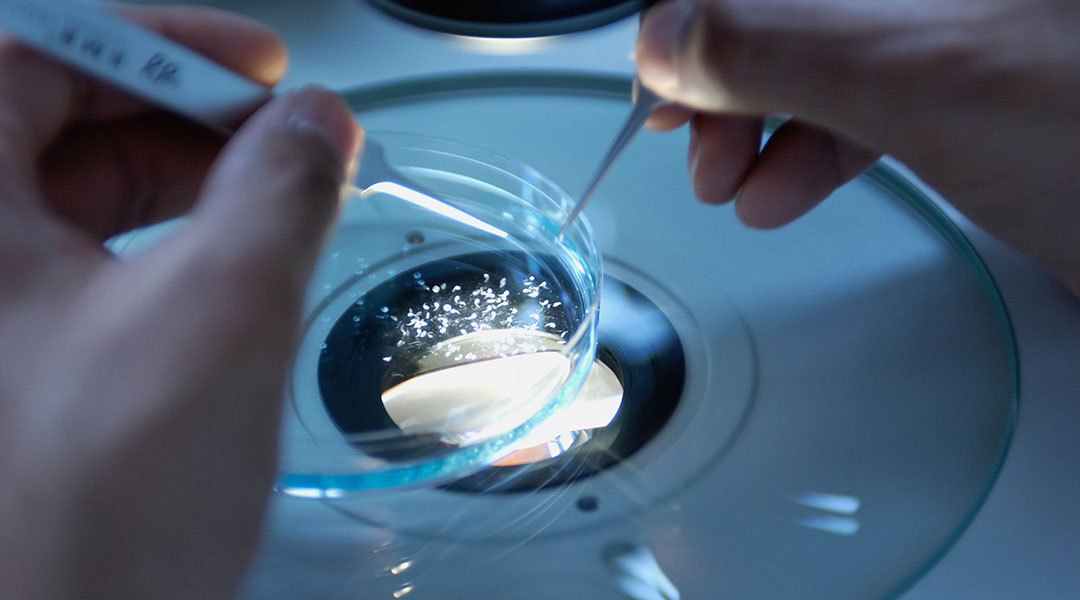
Bacteria residing inside tumors provide a surprisingly powerful immunotherapy platform to combat different cancers.

A rare group of patients have been found to maintain a very low viral load and a functional immune system after stopping antiviral treatment.
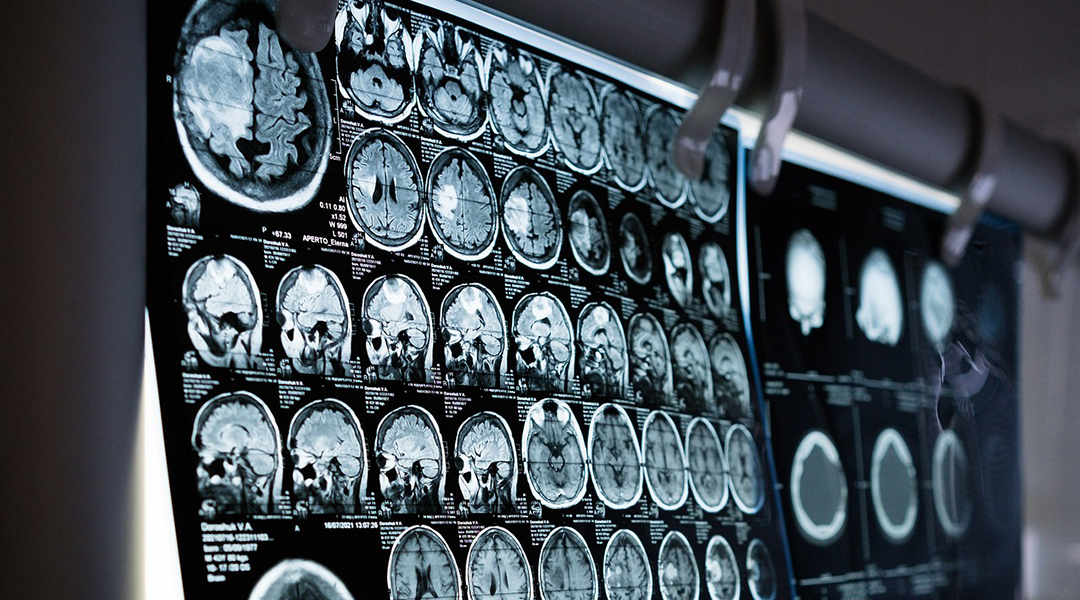
The newly discovered layer has an almost imperceptible width, allowing it to escape the notice of older imaging and experimental techniques.
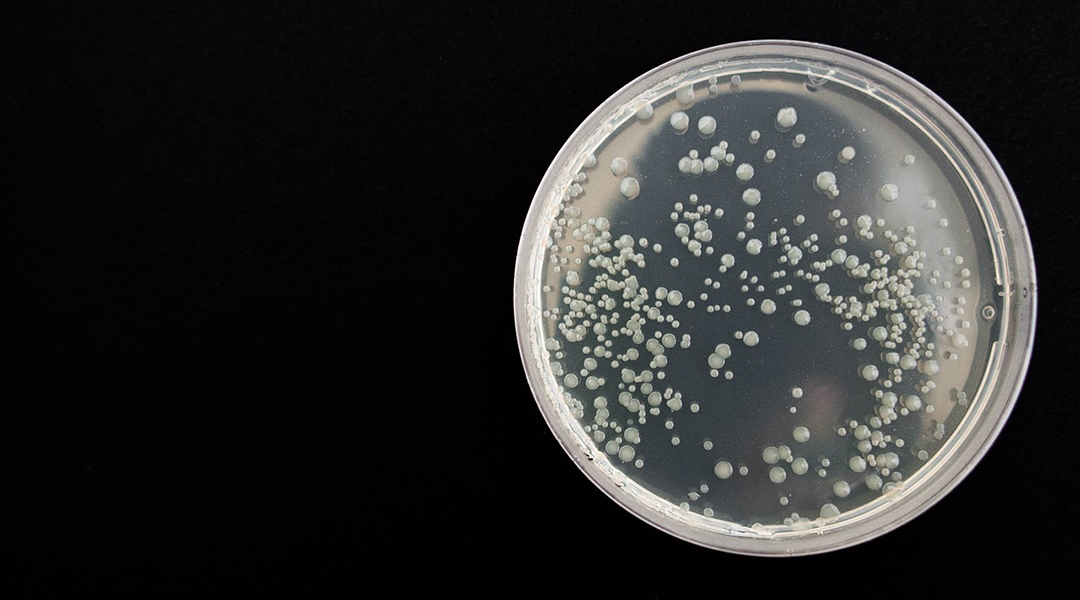
It is generally accepted that a community of beneficial bacteria make up the lung microbiome, but their origin and formation have remained unclear — until now.

Chemically driven nanomotors may help resolve chronic inflammation in patients with rheumatoid arthritis.
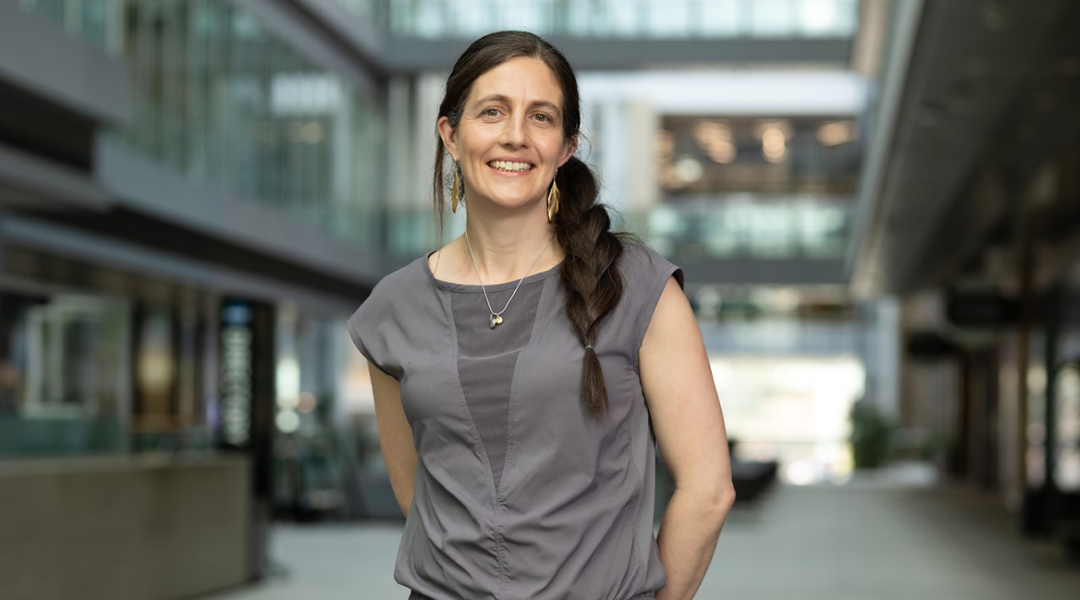
Using unique artificial microenvironments, chemical engineer Alison McGuigan is getting to the bottom of cell behavior.
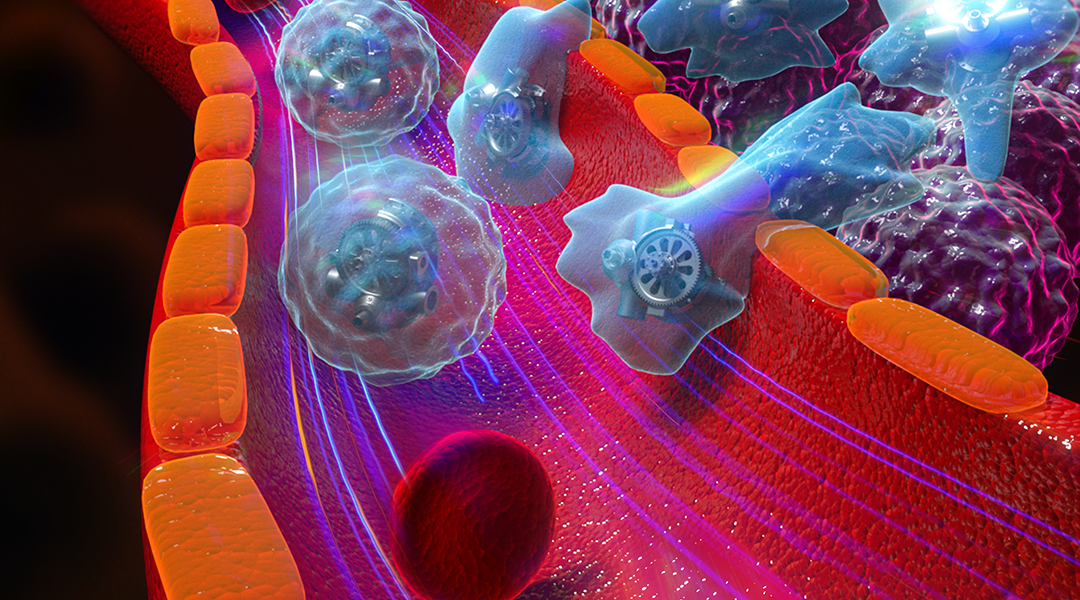
Swimming cellbots capable of autonomous motion and drug encapsulation can deliver their payload at desired sites.
 New theory suggests gravity is not a fundamental force
 Higgs boson may be driving the Universe’s expansion
 Water-powered gadgets may be on the horizon thanks to new evaporation-based energy device
 Scientists discover a new class of antibiotics
 Micron-sized hidden dimensions could solve two of physics’ deepest puzzles
 A new type of dark matter could explain mysterious radiation from the Milky Way’s core