The broad applications of LOV domains in optogenetics are reviewed.


The broad applications of LOV domains in optogenetics are reviewed.
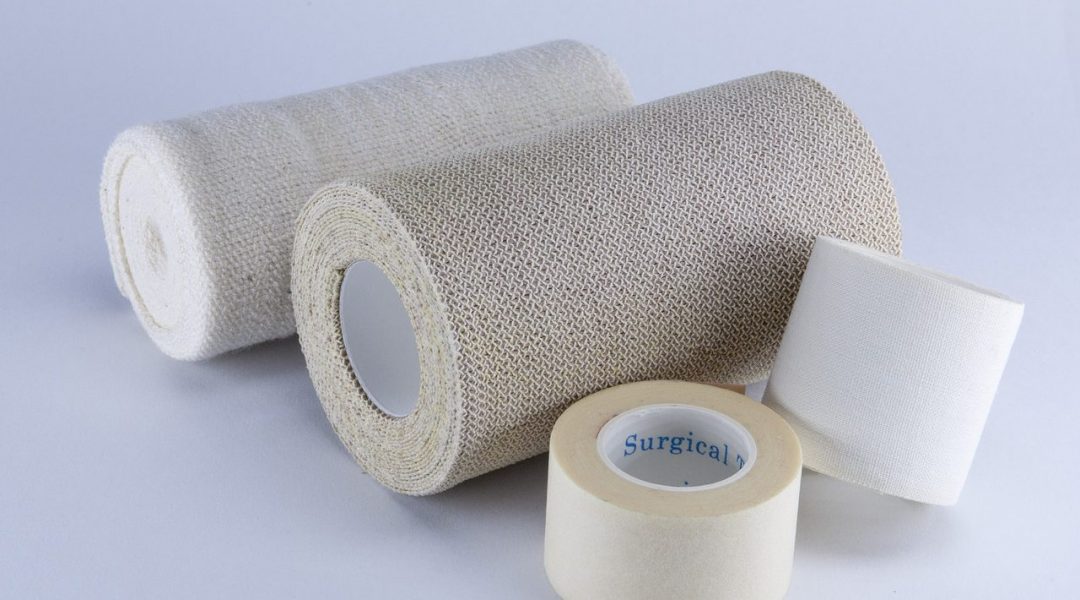
The medical textile field is in search of an antibacterial that is effective, but also human and environmentally-friendly.
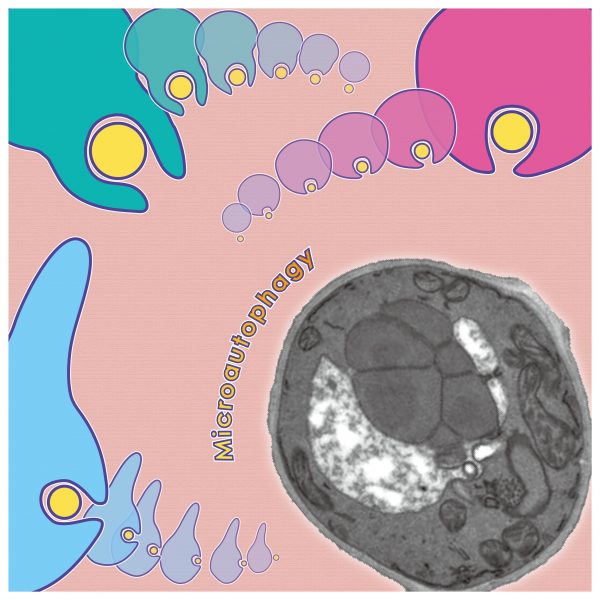
In their article published in BioEssays, Masahide Oku and Yasuyoshi Sakai present three distinct types of microautophagy.
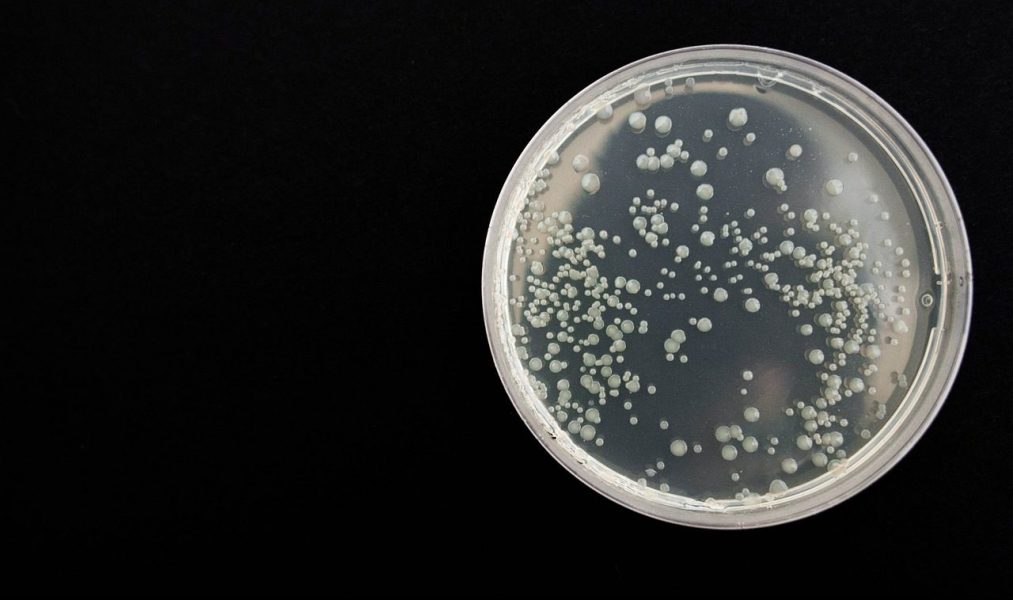
A team of Chinese researchers investigated the plasma-induced inactivation behavior of several bacteria without and with the presence of chloride.

This Special Issue is a collection of seven review articles that summarize the most recent resveratrol and pterostibene research.
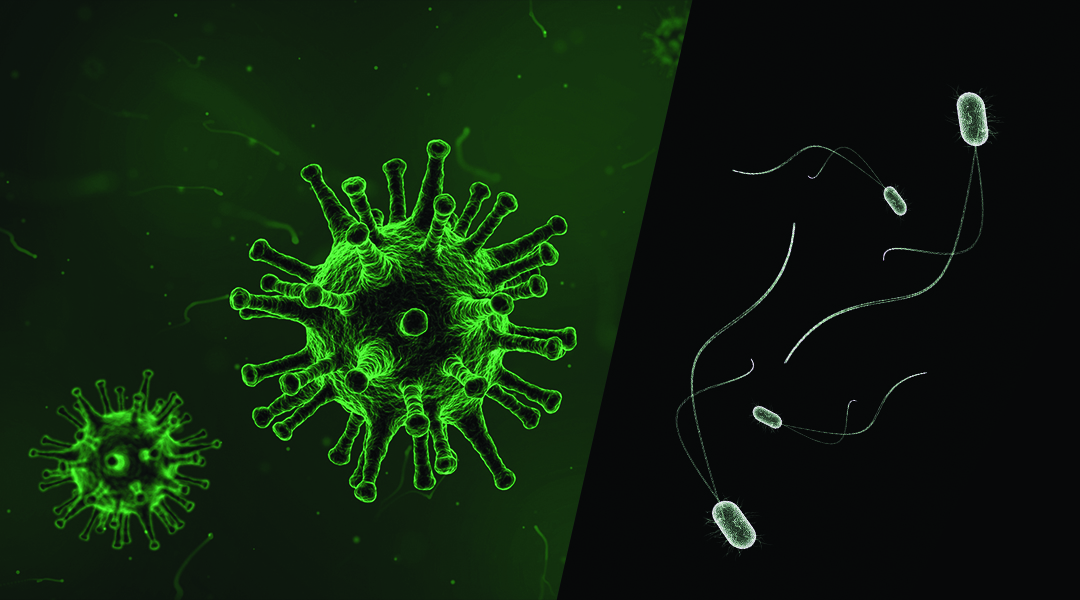
Human microbiota, blood group antigens, and disease, a look at the ways that microbiota interact with the human body.

Wine bottles and cups can be treated and disinfected with special UV radiation.
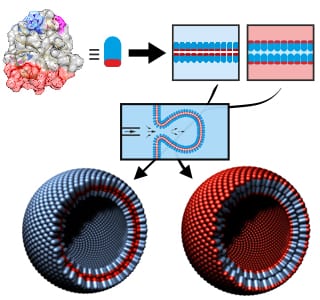
Professor Seemann and his colleagues discovered how bilayers made purely from hydrophobins were created using a microfluidic technique.
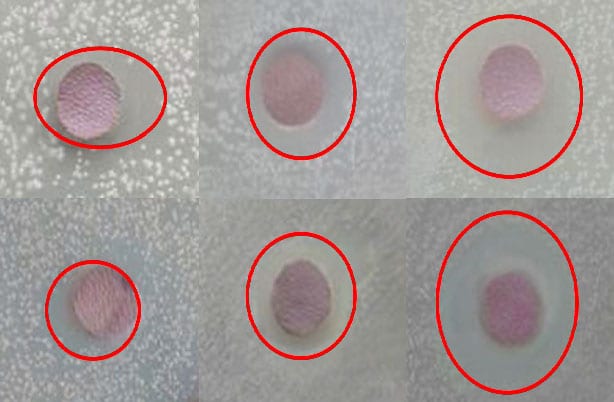
Researchers have created an antimicrobial polymer coating for leather that is both economical and environmentally friendly.
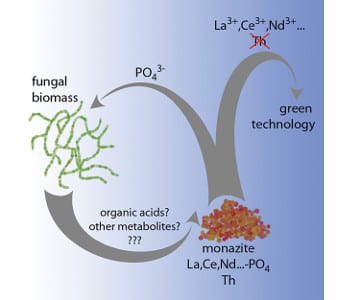
The bioleaching of rare earth elements from monazite sand by fungal strains is more effective and environmentally friendly alternative to conventional chemical extraction approaches.

 Micron-sized hidden dimensions could solve two of physics’ deepest puzzles
 Turning Periods into Power: Menstrual Blood a Valuable Resource for Medical Diagnostics
 Surfactants Steer Supraparticle Structure
 Bone loss in obesity traced to gut microbiota
 Edible electronics realize safe, complex monitoring devices
 Fermilab Confirms Muon g-2 Measurements