As plants evolved to live on land, so too did their immune systems, offering protection against dangerous fungi.


As plants evolved to live on land, so too did their immune systems, offering protection against dangerous fungi.
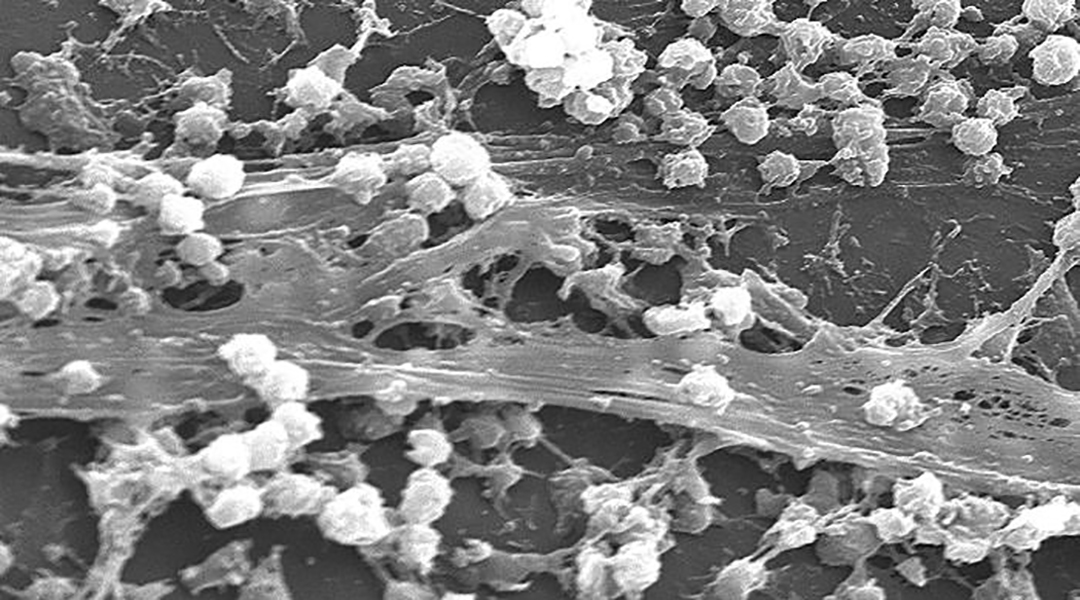
A new antibacterial surface treatment could help improve the safety of medical devices by minimizing the risk of infection during their use.

This year, April 22, 2020 marks the 50th anniversary of Earth Day, a grassroots idea from the 1970s that became a global movement.
A new class of polymers to clean up mercury pollution that can be produced sustainably on a large scale from elemental sulfur and renewable plant oils.
Researchers develop a biomimetic hydrogel with photodynamic antimicrobial effect.
Proteins with similar domain structures and activities have been found throughout eukaryotes, demonstrating that this protein family arose from an ancient ancestor.

An atypical, low‐power, atmospheric pressure plasma source for application in plasma medicine.
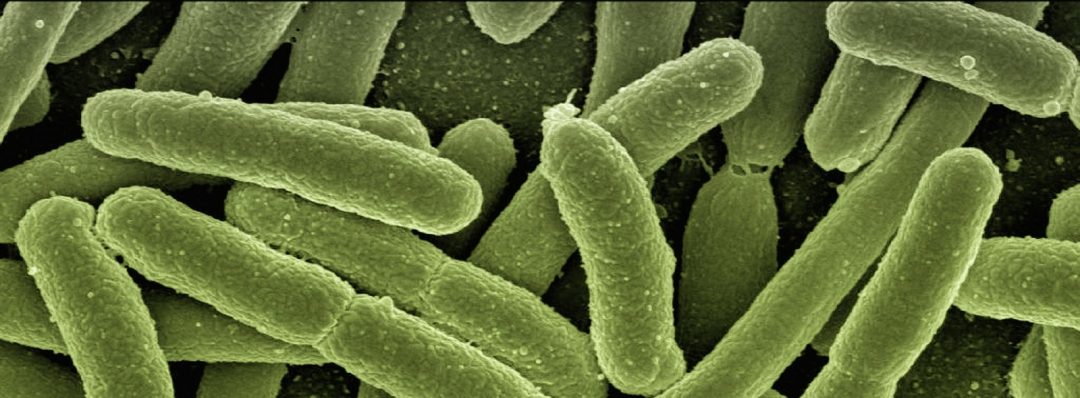
Intestinal bacteria can create an electric current, according to a new study from Lund University in Sweden.
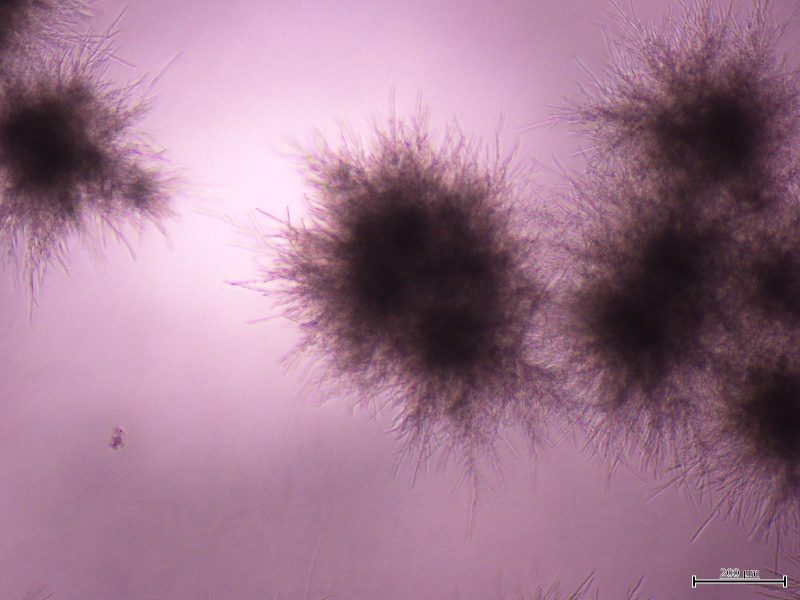
Mammalian barrier surfaces are densely populated by symbiont fungi in much the same way the former are colonized by symbiont bacteria. The fungal microbiota, otherwise known as the mycobiota, is increasingly recognized as a critical player in the maintenance of health and homeostasis of the host.
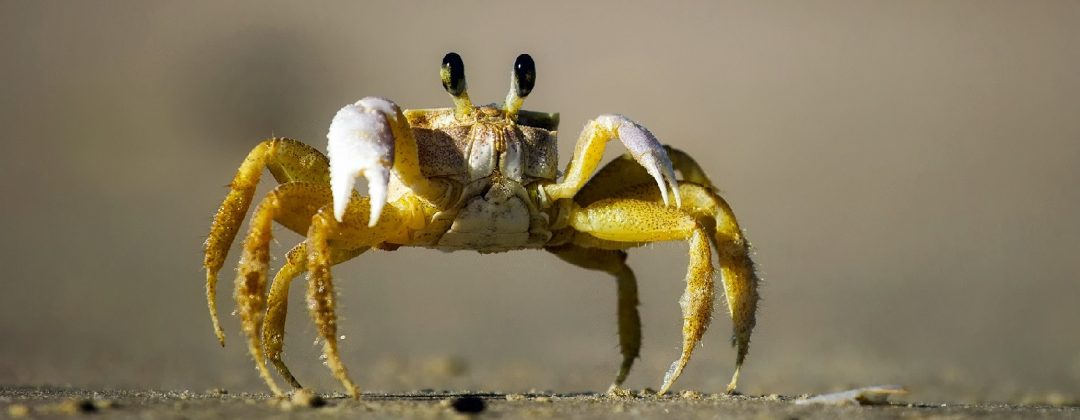
Scientists developed a packaging wrap comprised of cellulose from wood pulp and chitin from crabs and shrimp shells.

 Micron-sized hidden dimensions could solve two of physics’ deepest puzzles
 Turning Periods into Power: Menstrual Blood a Valuable Resource for Medical Diagnostics
 Surfactants Steer Supraparticle Structure
 Bone loss in obesity traced to gut microbiota
 Edible electronics realize safe, complex monitoring devices
 Fermilab Confirms Muon g-2 Measurements