Researchers have flipped traditional 3D printing to create some of the most intricate biomedical structures yet.
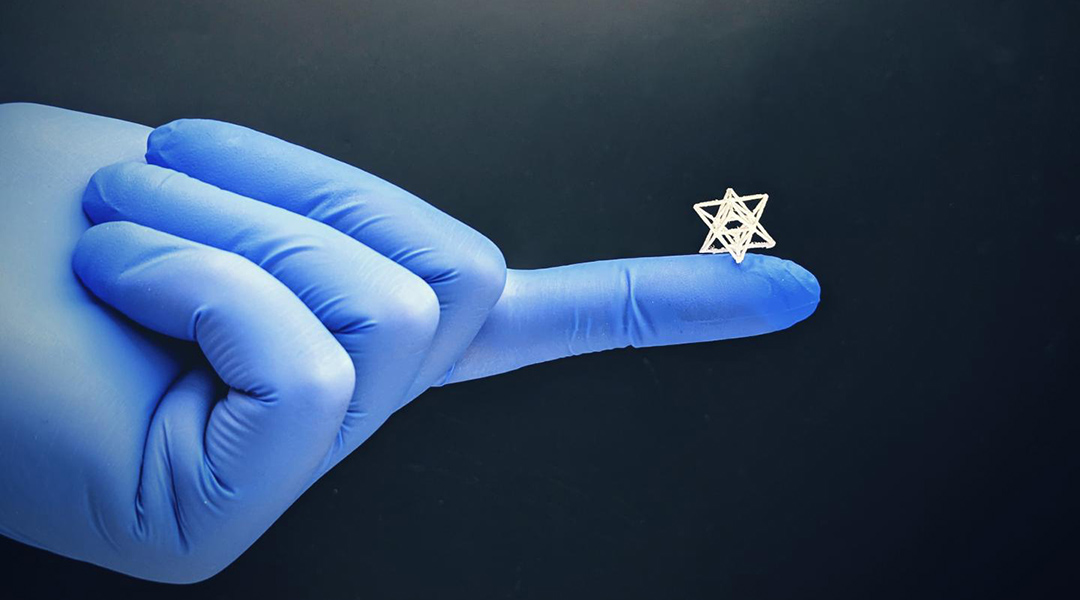

Researchers have flipped traditional 3D printing to create some of the most intricate biomedical structures yet.
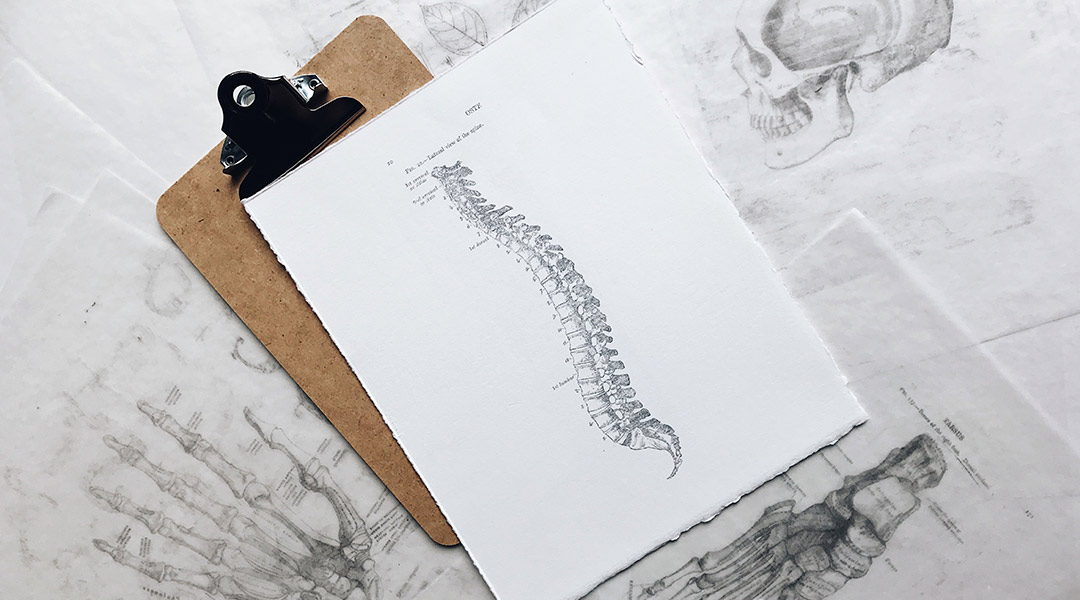
A hydrogel loaded with drugs to simultaneously regenerate nerve tissues and blood supply shows promise for promoting recovery after spinal cord damage.
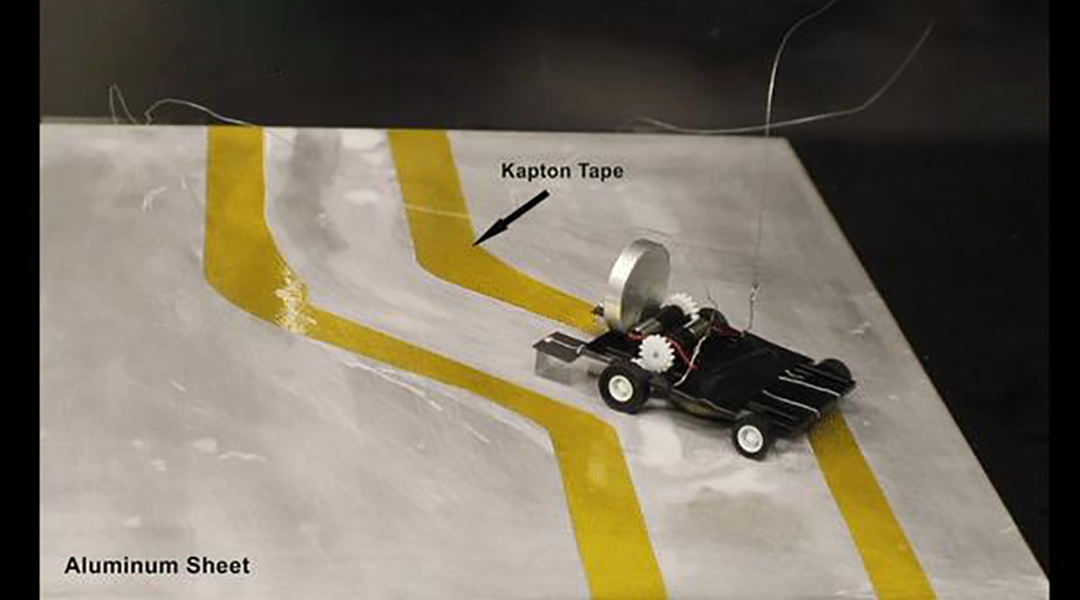
The “metal-eating” robot can follow a metal path without using a computer or needing a battery.

A new report outlines in quantitative detail the range of options, trade-offs, and costs to guide future policies in achieving carbon neutrality by 2045.
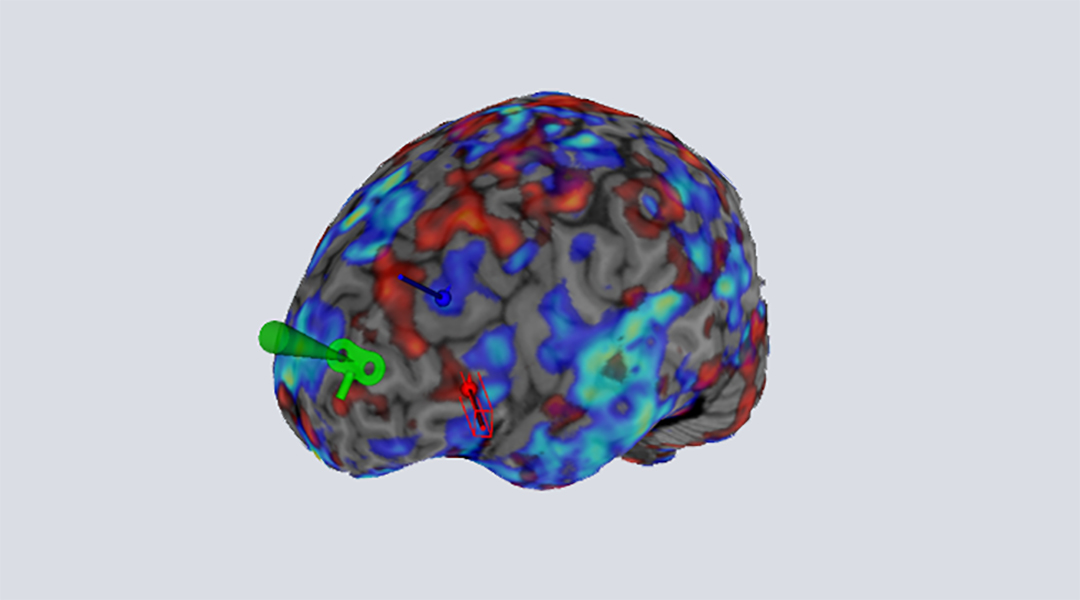
Taking advantage of progress made in neuroimaging, researchers hope that personalized treatments for mental disorders using brain stimulation therapies will be the way forward.
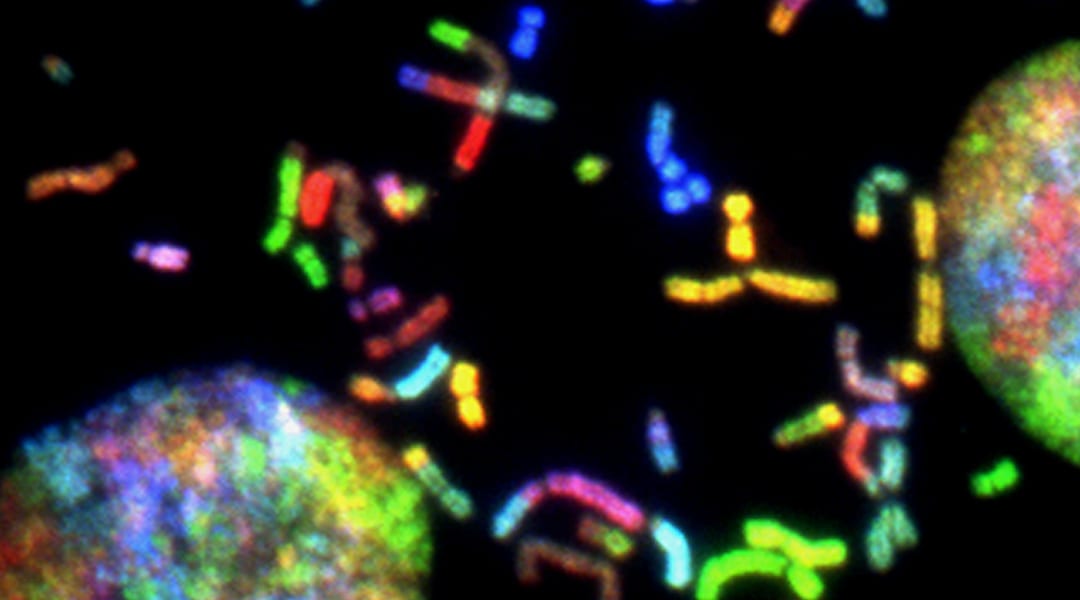
A new computational technique allows researchers to model biological processes with better accuracy and at a lower computational cost.

Developments in pathogen-detecting materials could provide an easy means of detecting viruses within public places.
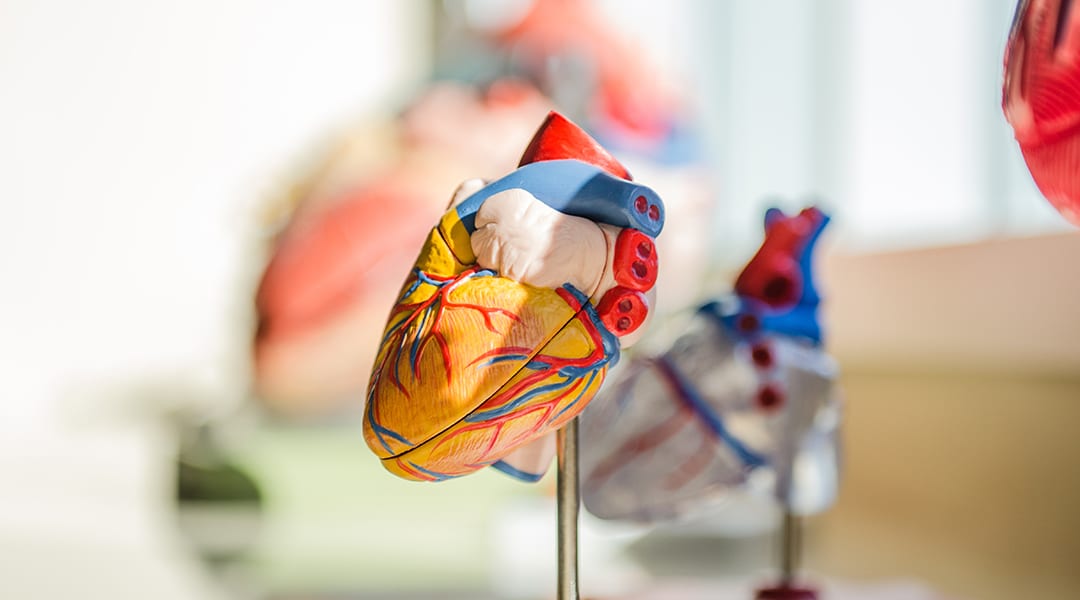
Stem cells found in the lungs can be redirected to the heart using a new inhaled antibody therapy to help boost healing following a heart attack.

A new blood-derived embolic material with regenerative properties stops bleeding instantly, even in cases of impaired coagulation.

The chemistry of carbon dioxide may not save the human race on Earth, but could enable a new beginning for life on the red planet.

 Micron-sized hidden dimensions could solve two of physics’ deepest puzzles
 Turning Periods into Power: Menstrual Blood a Valuable Resource for Medical Diagnostics
 Surfactants Steer Supraparticle Structure
 Bone loss in obesity traced to gut microbiota
 Edible electronics realize safe, complex monitoring devices
 Quantum Anomalies in Condensed Matter: From Theoretical Peculiarities to Tangible Science