Minimally invasive delivery of capsaicin into adipose tissues under the skin shows promise for countering obesity.
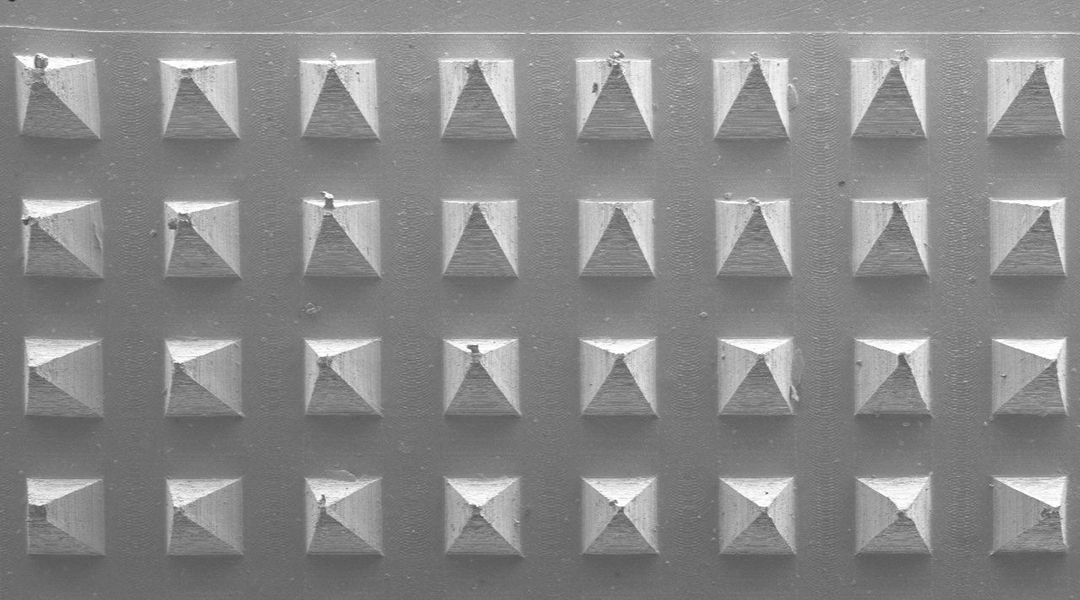

Minimally invasive delivery of capsaicin into adipose tissues under the skin shows promise for countering obesity.

The up-and-coming analytical chemist talks social media, engaging the next generation of women in STEM, and her journey through a Ph.D.

Replacing animal testing with the ever-growing capabilities of AI and deep learning could help minimize the need for animals in scientific discovery.
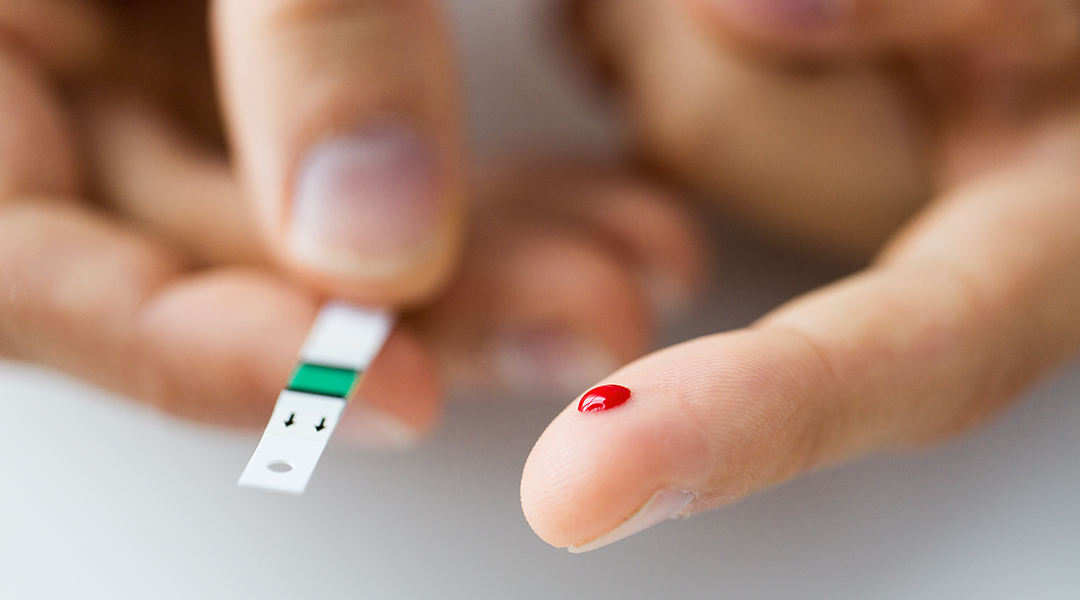
Graphene-based biosensors incorporated in arrays of microneedles are emerging as an alternative to hypodermic needles and could be the next generation of blood sampling devices.
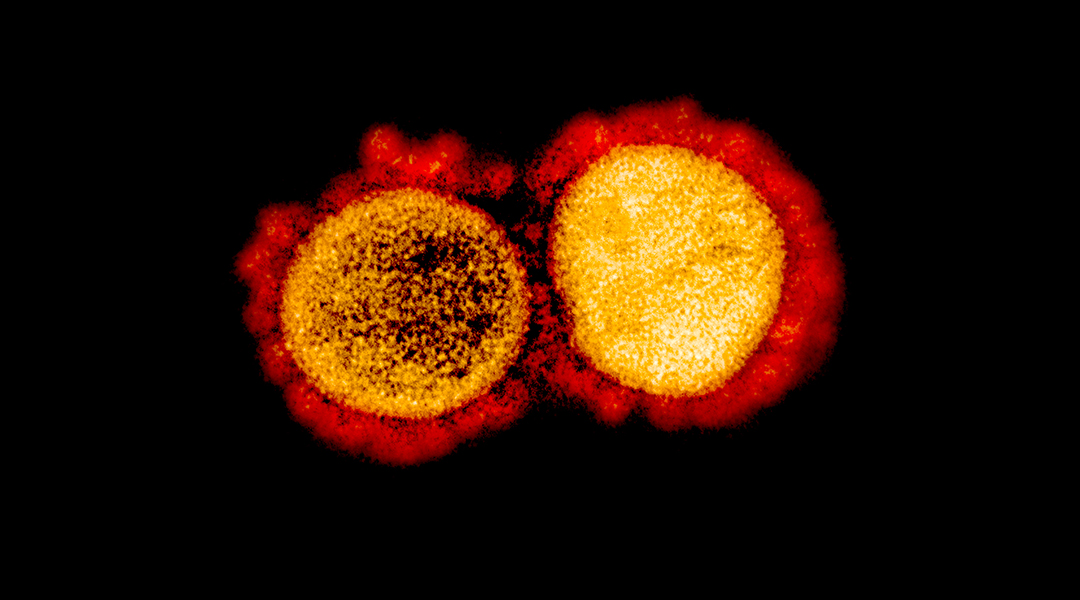
US company second to report impressive efficacy for its COVID-19 vaccine candidate.
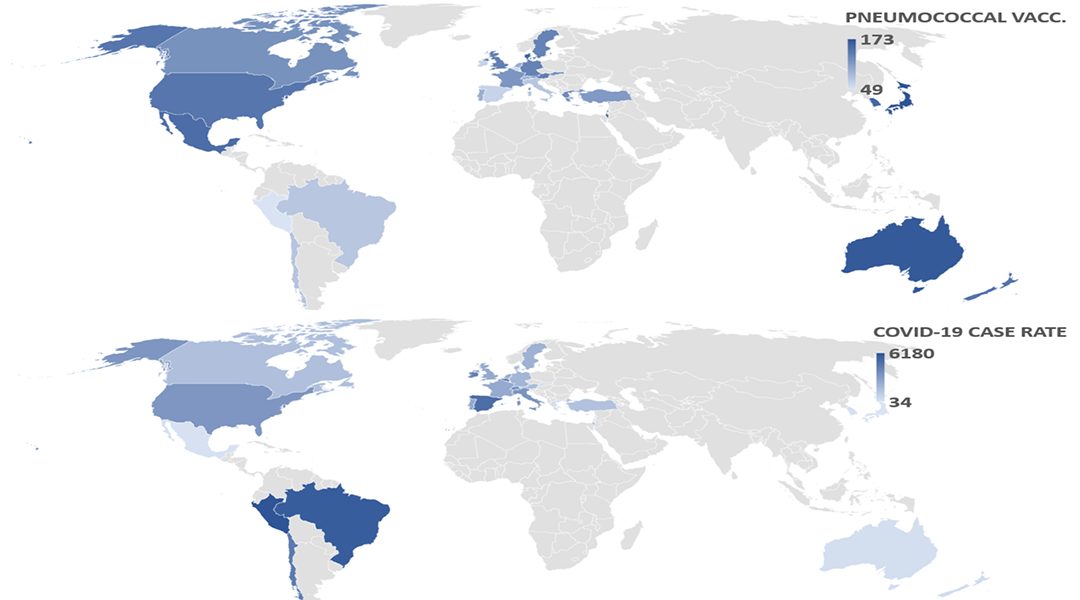
Where pneumococcal vaccination rates are high, COVID-19 cases are low and vice-versa.
Scientists have found a way to repair damaged peripheral nerves using engineered biomaterials that better support platelets.
RNA “sandwiches” perform crucial roles in a range of bacterial metabolic pathways.

A new study estimates that one in five people worldwide have an underlying health condition that could increase their risk of severe COVID-19 if infected.
A research team combats antibiotic-resistant superbugs by administering antibiotics together with metformin.
 New theory suggests gravity is not a fundamental force
 Higgs boson may be driving the Universe’s expansion
 Water-powered gadgets may be on the horizon thanks to new evaporation-based energy device
 Scientists discover a new class of antibiotics
 Micron-sized hidden dimensions could solve two of physics’ deepest puzzles
 A new type of dark matter could explain mysterious radiation from the Milky Way’s core