Tuneable micro-structured surfaces could overcome the limitations of current unchangeable components that result in “static” optical devices.


Tuneable micro-structured surfaces could overcome the limitations of current unchangeable components that result in “static” optical devices.

A collection of opinions that explores the benefits and risks of generative AI models, such as ChatGPT.
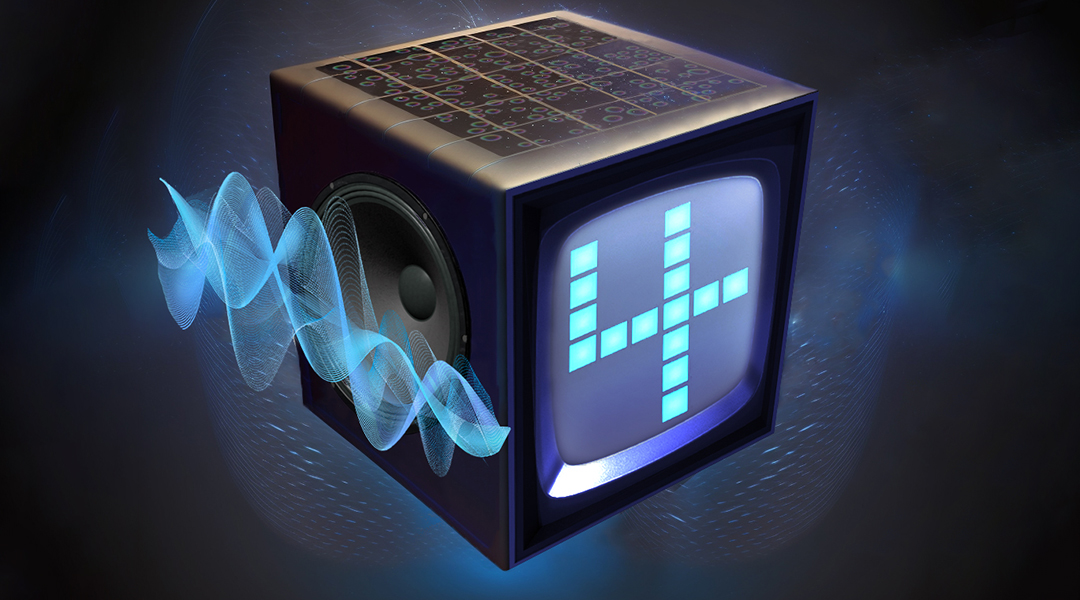
A thin film composed of small magnetic whirls called skyrmions performs voice pattern recognition with an accuracy approaching 99%.
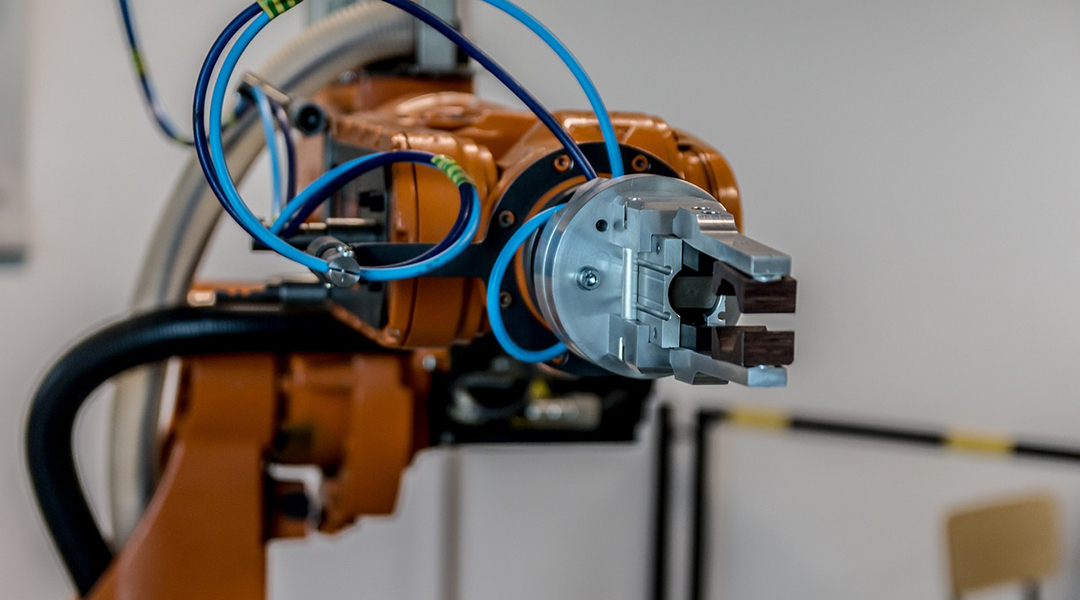
An intelligent eye tracker allows for accurate, hands-free remote control of robots without the need for joysticks or other devices.
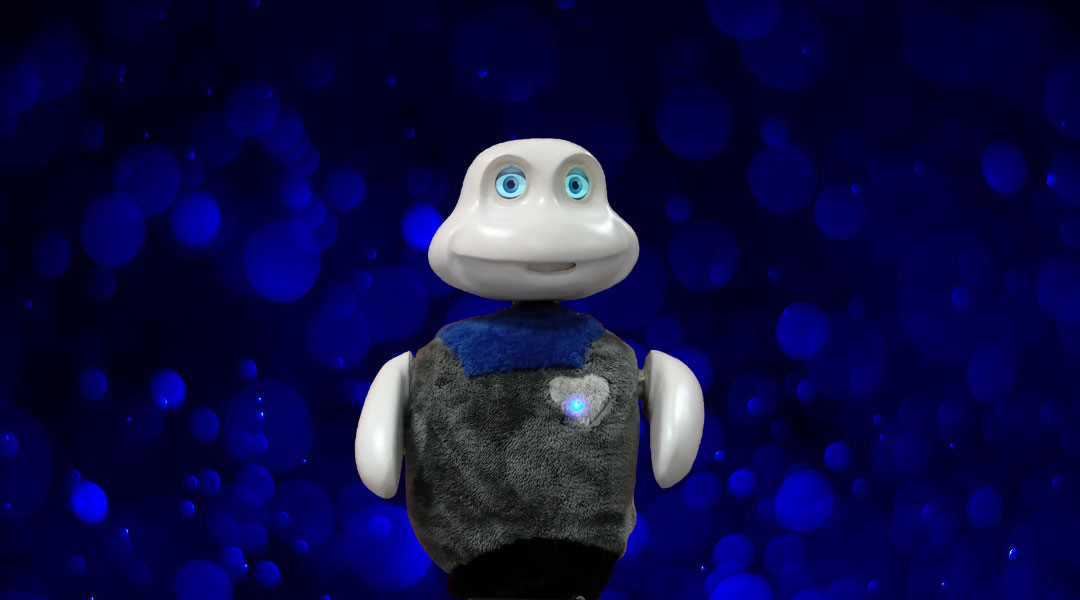
Modeling involuntary aspects of human behavior, such as blinking or even jet lag, might help build trust in robot-human interactions.

Researchers narrow in on a brain receptor that could help eliminate learnt fears and treat ailments such as post-traumatic stress disorder.
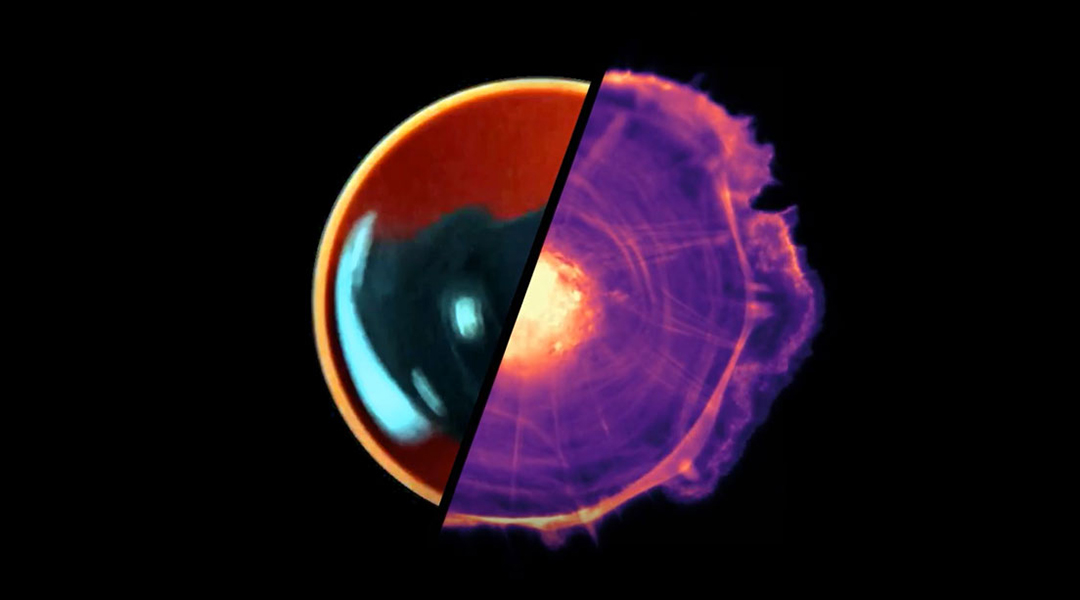
Experiments with cells and toys reveal fundamentals of synchronized movement in both inanimate objects and living groups.

A new experimental technique could push the capabilities of particle accelerators in exploring the subatomic world.
Biologist Gautam Dey is deciphering the evolution of the cell nucleus to answer fundamental questions in biology.
An AI made from plasma learns to play tic-tac-toe using varying and controllable mixtures of gases, in a major step forward.
 New theory suggests gravity is not a fundamental force
 Higgs boson may be driving the Universe’s expansion
 Water-powered gadgets may be on the horizon thanks to new evaporation-based energy device
 Scientists discover a new class of antibiotics
 Micron-sized hidden dimensions could solve two of physics’ deepest puzzles
 A new type of dark matter could explain mysterious radiation from the Milky Way’s core