A combination of 3D printing and electrospinning can be used for micropatterning fibrous scaffolds that are suturable, porous, and biodegradable.
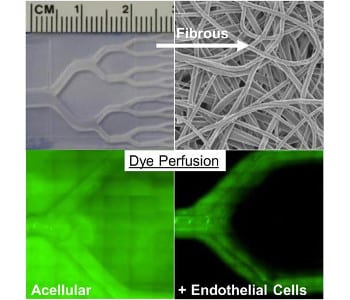

A combination of 3D printing and electrospinning can be used for micropatterning fibrous scaffolds that are suturable, porous, and biodegradable.
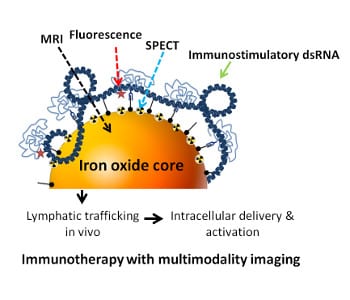
A new class of iron oxide nanocarrier activates the immune system and serves as a contrast agent for multiple imaging techniques.
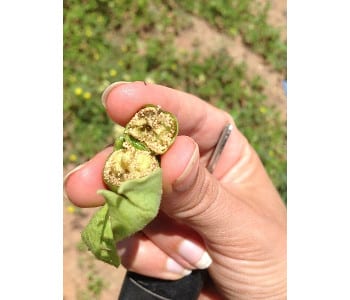
Boeing Partners with South African Airways for a pioneering project that will make sustainable aviation biofuel from a new tobacco plant, not cigarettes.
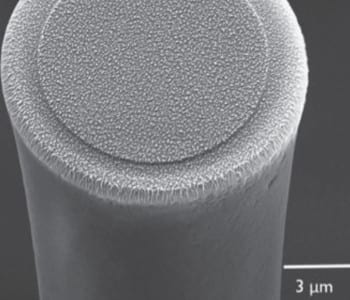
Nanowires can be produced by pulling DNA over micropillar arrays, leaving a simple overcoating step to improve conductivity.
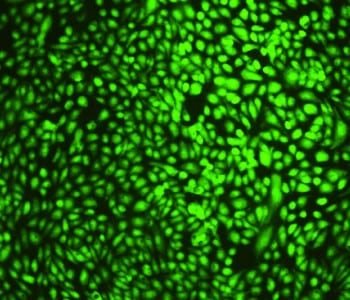
International researchers have reported reported a crosslinker – an activated-ester-type photocleavable crosslinker – to prepare photodegradable hydrogels.
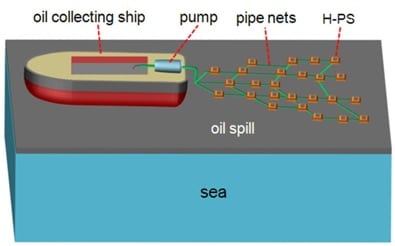
A team from USTC have developed a new oil collection apparatus based on a combination of HPS with pipes and a self-priming pump.
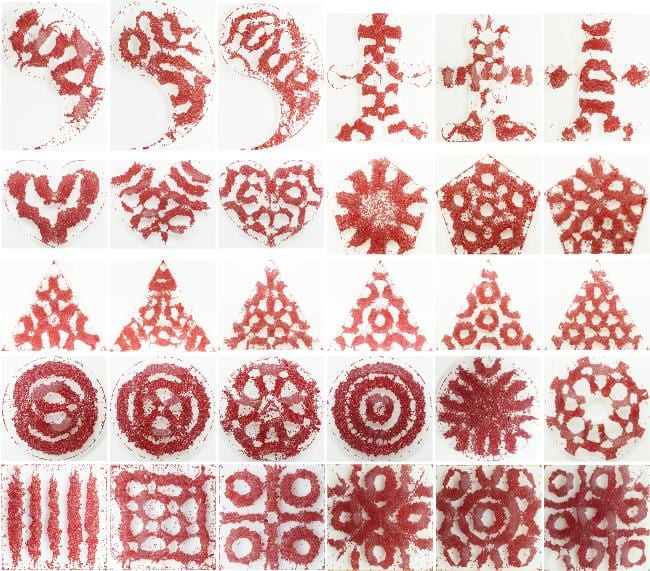
Liquid templates produced by standing (Faraday) waves are used to assemble various soft, rigid, and biological materials in intricate patterns.

This themed issue of Steel Research International is dedicated to multiscale modelling methods as a new design tool for processes and materials.
The research article from Georgia Tech addresses an important issue in the current battle against cancer – the development of resistance to anticancer drugs, which leads to the loss of efficacy of chemotherapeutic treatment.
Researchers from the IPF Dresden have developed and applied a nanoindentation method to quantify the stiffness of a sponge-like biohybrid hydrogel material.
 New theory suggests gravity is not a fundamental force
 Higgs boson may be driving the Universe’s expansion
 Water-powered gadgets may be on the horizon thanks to new evaporation-based energy device
 Scientists discover a new class of antibiotics
 Micron-sized hidden dimensions could solve two of physics’ deepest puzzles
 A new type of dark matter could explain mysterious radiation from the Milky Way’s core