
As the home of the largest mangrove area in the world, Indonesia is a key player in the international blue carbon agenda. While it has over 22% of world’s mangroves, Indonesia is also facing rapid mangrove degradation.
Results for "climate change"
Methanol Then and Now
Making methanol for use as a renewable energy carrier.

In Flight and Fight – The Turbulence Carbon Dioxide Causes
We have recently learned that the high levels of carbon dioxide we breathe for extended periods inside planes can cause neurological problems.
Technical and Social Problems of Nuclear Waste
The waste forms produced during the process of generating nuclear energy constitute a nearly intractable management problem because of technical and social factors.
Nitrogen Reduction Reactions: Fact or Artifact
Greener catalytic ammonia synthesis requires robust control experiments to eliminate artifacts.
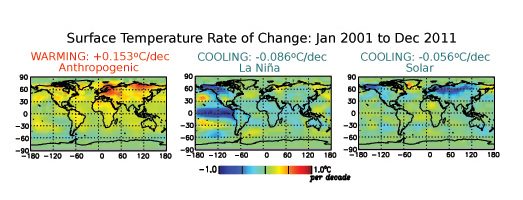
The Global Warming “Pause” that Wasn’t
The divergence of physical model simulations from observations that precipitated the notion of a “global warming pause” does not signify a crisis in climate science or understanding but simply the limitations of current physical climate models.
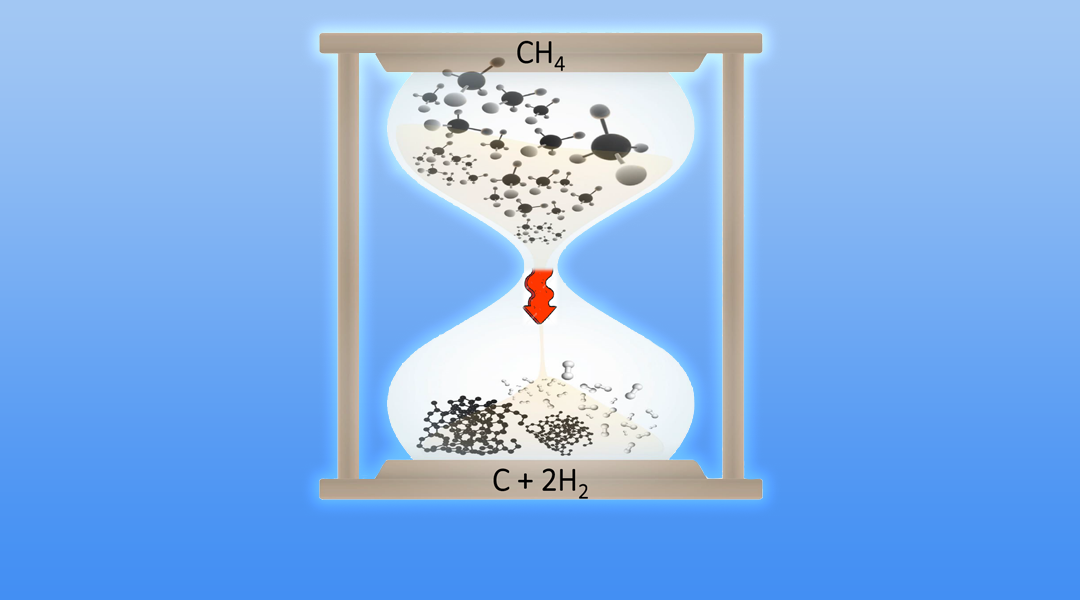
Decarbonizing Natural Gas: Methane Fuel without Carbon Dioxide
A fascinating approach for utilizing the chemical energy contained in the carbon–hydrogen bonds of methane without the co-production of carbon dioxide in the combustion process is discussed.
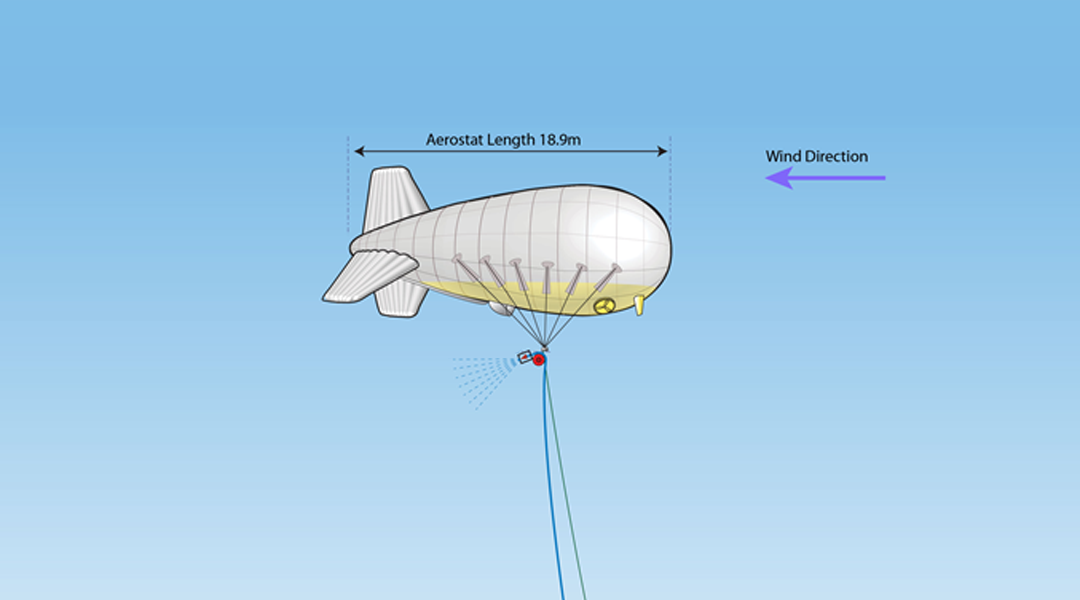
Intellectual Property Policies for Solar Geoengineering
What role may solar geoengineernig play in addressing climate effects of human-generated greenhouse gas (GHG) emissions?

Artificial Photosynthesis: A Big Leap for Powering the Globe
The burgeoning development and sustained production of advances in the booming field of solar-to-energy conversion have inspired a Special Issue specifically dedicated to “Artificial Photosynthesis: Mimicking Nature for Renewable Energy Production” – guest editors Wee-Jun Ong, Zhiqun Lin and Kazunari Domen.
Pollution Risks of Historic Landfills on Coasts and Estuaries
Historic landfills are frequently unlined with no leachate management and inadequate records of the waste they contain, which means there is a very limited understanding of the environmental risk posed if the waste erodes into estuarine or coastal waters.

Popular
-
 Micron-sized hidden dimensions could solve two of physics’ deepest puzzles
-
 Turning Periods into Power: Menstrual Blood a Valuable Resource for Medical Diagnostics
-
 Surfactants Steer Supraparticle Structure
-
 Bone loss in obesity traced to gut microbiota
-
 Edible electronics realize safe, complex monitoring devices
-
 Fermilab Confirms Muon g-2 Measurements