A team of chemical engineers has created a pilot-scale photoreactor for making chemicals using just carbon dioxide and sunlight.
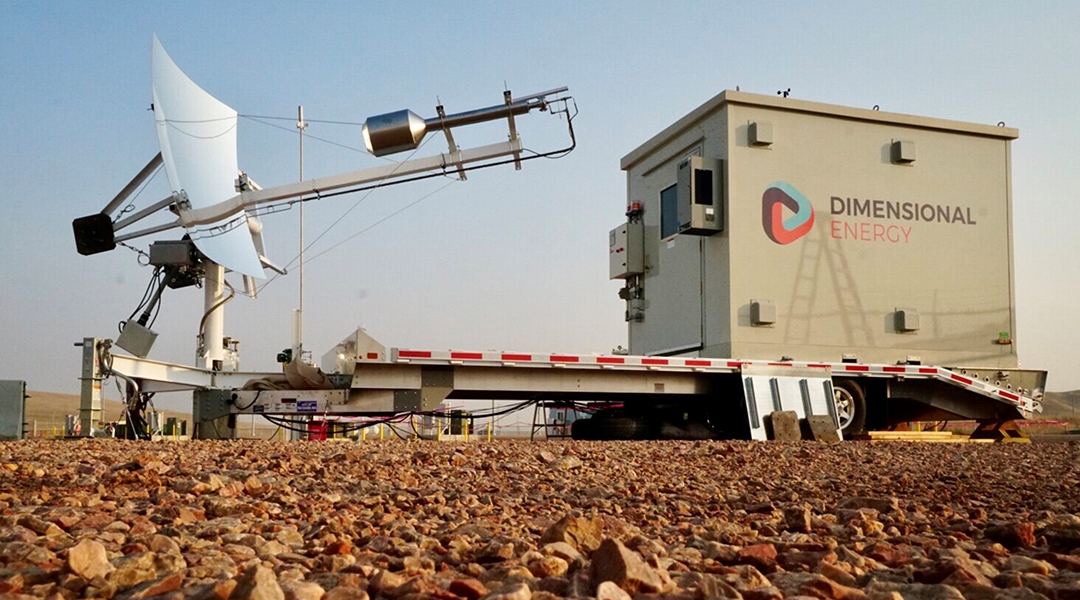

A team of chemical engineers has created a pilot-scale photoreactor for making chemicals using just carbon dioxide and sunlight.
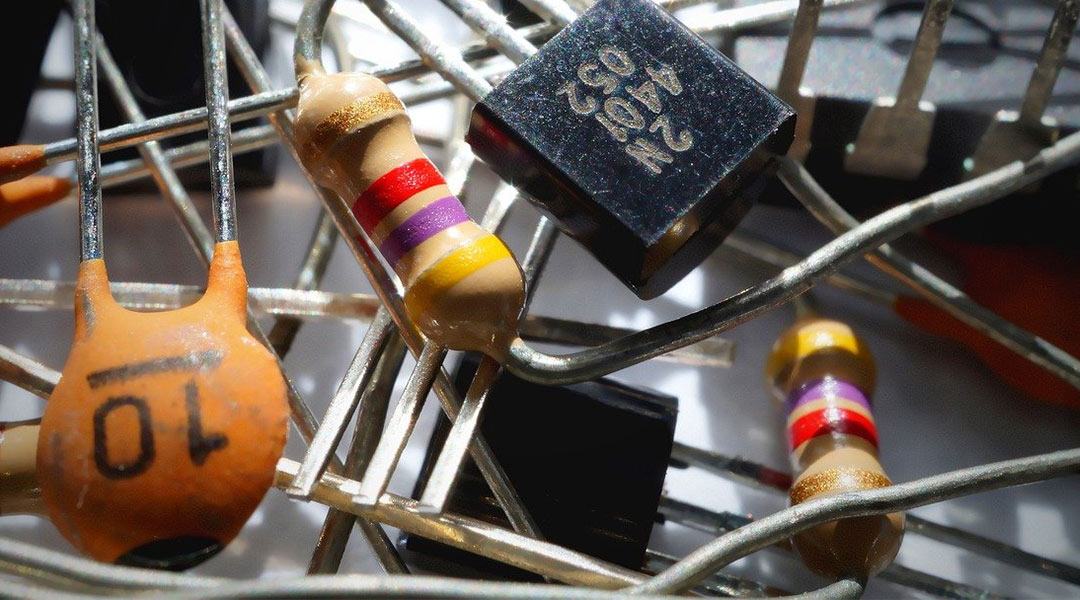
The Achilles heel of supercapacitors as energy storage devices, is gradually being overcome.
A new hypothesis explores how potassium came to be the dominant biological cation.
Oceanbird, a newly designed transatlantic car carrier, is powered by wind and could significantly reduce the carbon footprint of marine transportation.

A new study finds diamonds can actually form at room temperature, under the right pressure.
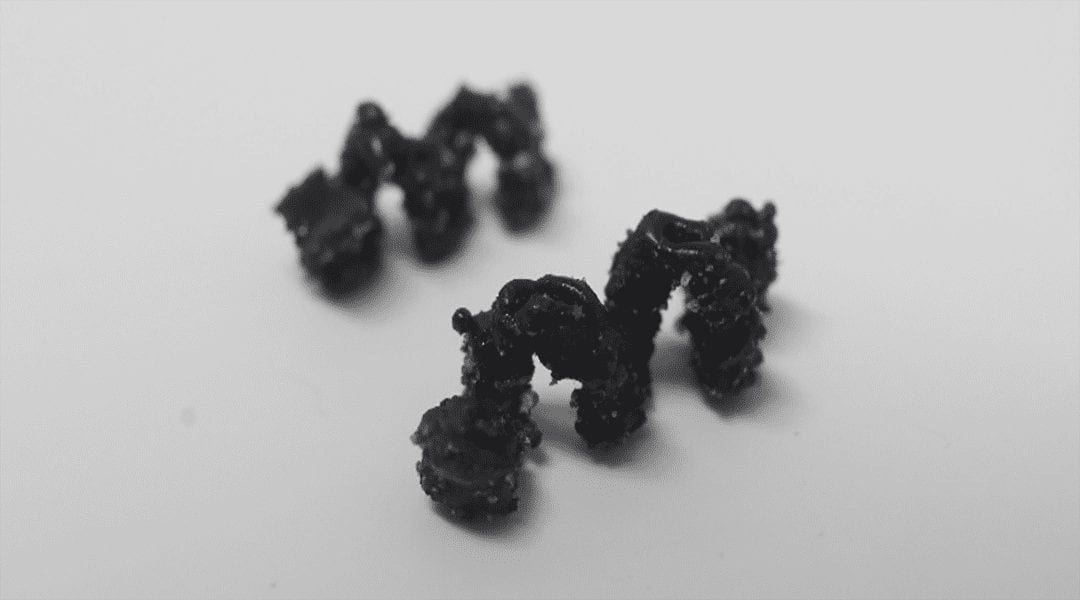
By mixing sugar and magnetic particles, researchers create biodegradable “CANDYBOTS” with potential applications in drug delivery and ingestible devices.

A low temperature water-splitting protocol uses microwave power in lieu of concentrated solar energy.
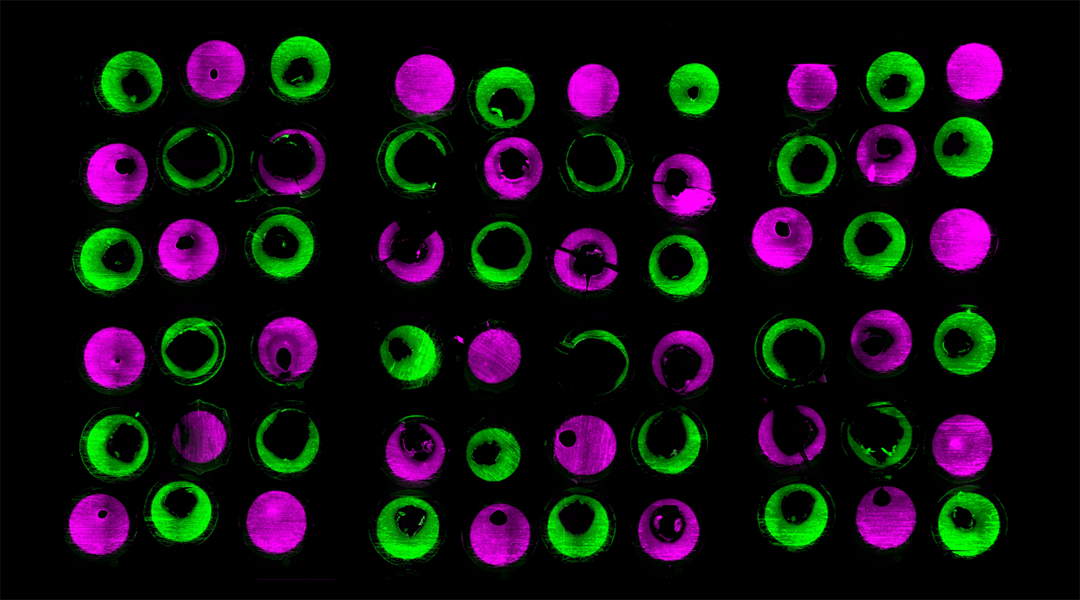
From micrometer-sized nanoflowers to hydrogel hearts, this edition of “This month in pictures” features more intriguing images from our journals and the science behind them.
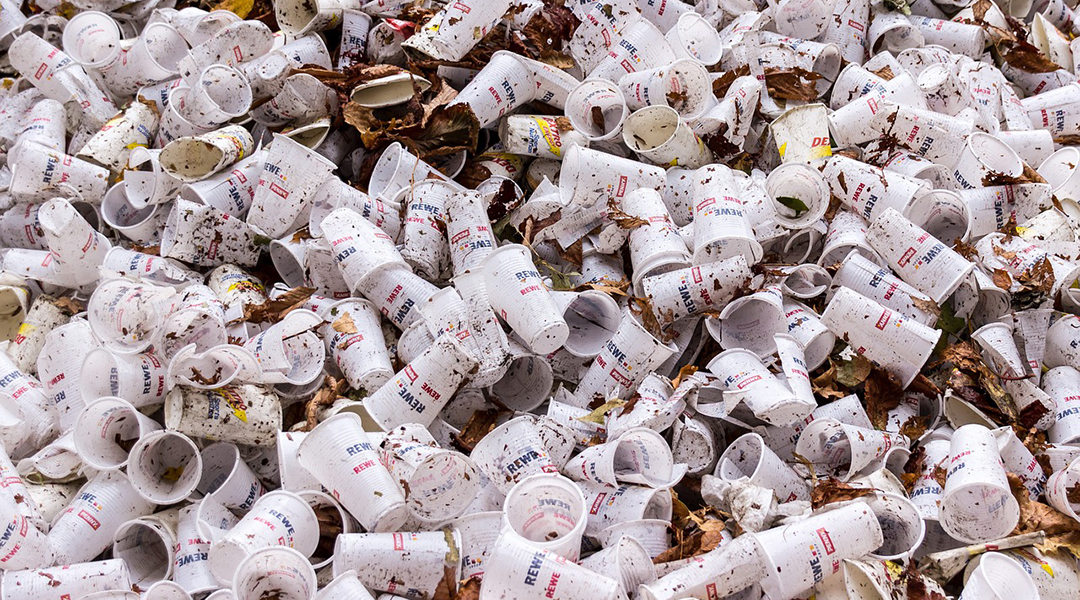
While plastic waste is an issue, its prominence in the general public’s concern for the environment is overshadowing greater threats.
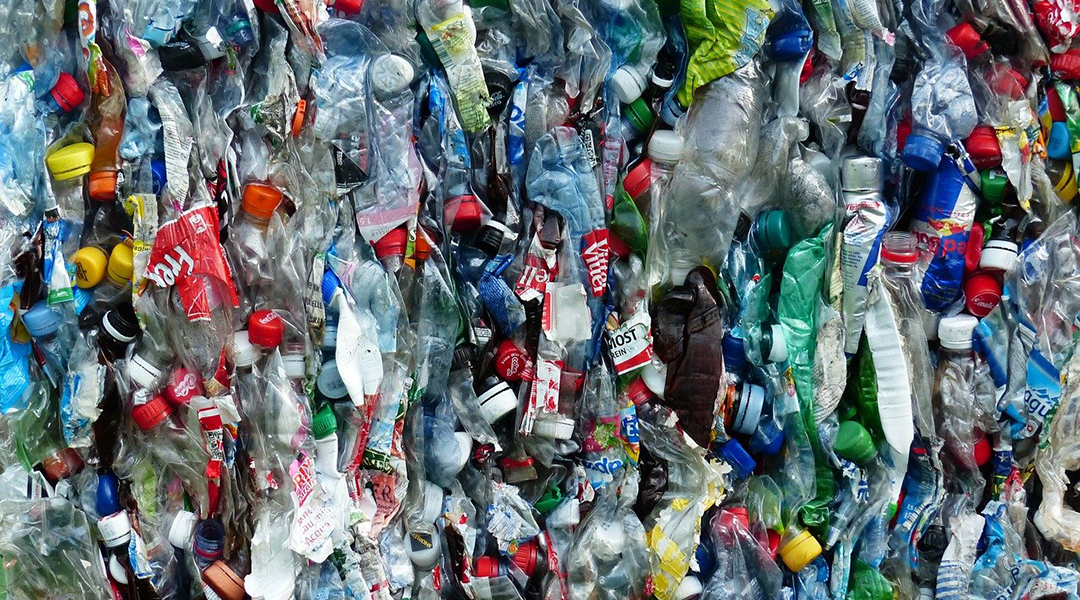
Researchers develop an efficient, low-energy method for upcycling polyethylene plastic waste into valuable molecules that can be repurposed for further use.

 Micron-sized hidden dimensions could solve two of physics’ deepest puzzles
 Turning Periods into Power: Menstrual Blood a Valuable Resource for Medical Diagnostics
 Surfactants Steer Supraparticle Structure
 Bone loss in obesity traced to gut microbiota
 Edible electronics realize safe, complex monitoring devices
 Fermilab Confirms Muon g-2 Measurements