To power next generation chip based medical implants, power sources need to be miniscule and perpetual.


To power next generation chip based medical implants, power sources need to be miniscule and perpetual.

The long-term benefits of global forest restoration to support biodiversity and ecosystems depends on climate and forest type.

Unique enzymes found in the gut of sugarcane-eating capybaras could help convert agricultural waste into low-carbon biofuels.

Past disasters show public concern surrounding nuclear energy is legitimate, but better regulation could help allay fears.
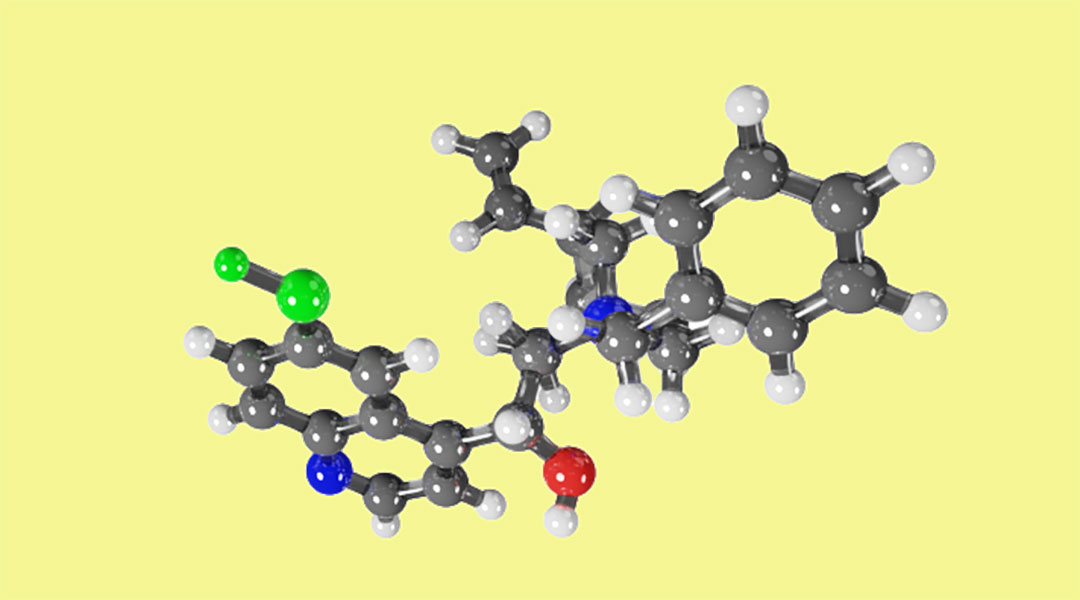
Though experimentation is still king in most chemists’ minds, computational chemistry has the potential to transform the field.

Using solar energy, water, and lunar soil, scientists were able to carry out reactions needed to sustain human life on the Moon.

An out-of-the box approach to carbon sequestration proposes an off-shore solution and a fascinating adjunct to direct air capture.
A new device setup enables an interface between biomolecules and electronic materials for biohybrid electronics.

Chicken feathers enhance the quality of biogas produced from human waste, allowing impoverished communities to generate their own power.

An innovative new gravity storage system with an “elevator” style building design is a viable solution to global grid-scale energy storage.

 Micron-sized hidden dimensions could solve two of physics’ deepest puzzles
 Turning Periods into Power: Menstrual Blood a Valuable Resource for Medical Diagnostics
 Surfactants Steer Supraparticle Structure
 Bone loss in obesity traced to gut microbiota
 Edible electronics realize safe, complex monitoring devices
 Fermilab Confirms Muon g-2 Measurements