Models that can predict and help us to understand the body’s thermal state could help optimize temperature management strategies in a clinical setting.

Models that can predict and help us to understand the body’s thermal state could help optimize temperature management strategies in a clinical setting.
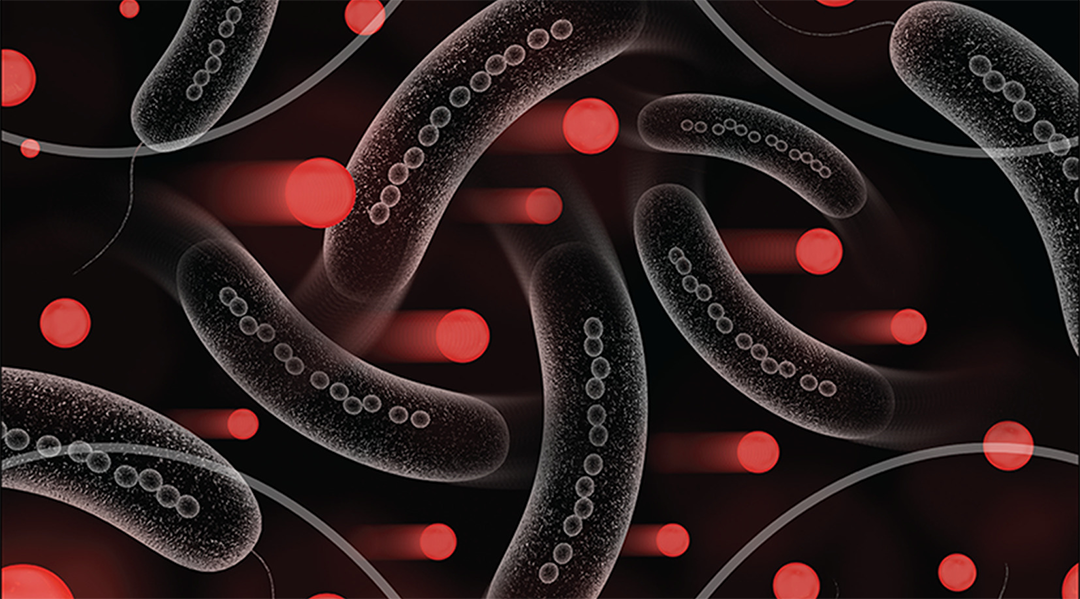
Bacteria controlled by magnets could one day deliver medicine directly to the cells that need it.

Developments in pathogen-detecting materials could provide an easy means of detecting viruses within public places.
A sensitive blood test for the early diagnosis of Alzheimer’s disease could be possible with nanoparticle arrays.
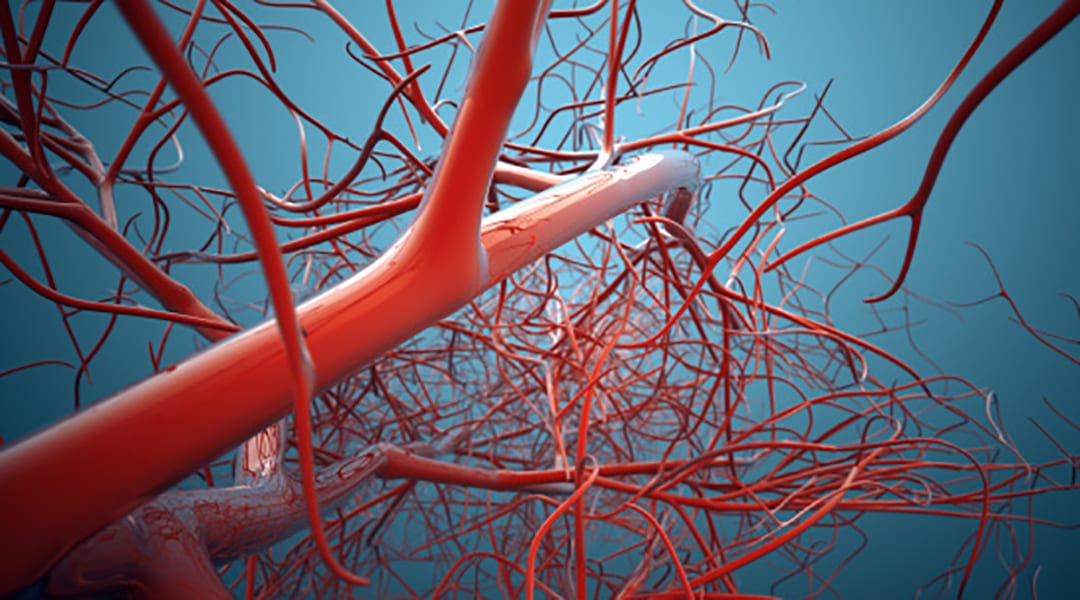
Blood pooling in venous valves is a key risk factor in deep vein thrombosis. A new model is used to better understand how this occurs.
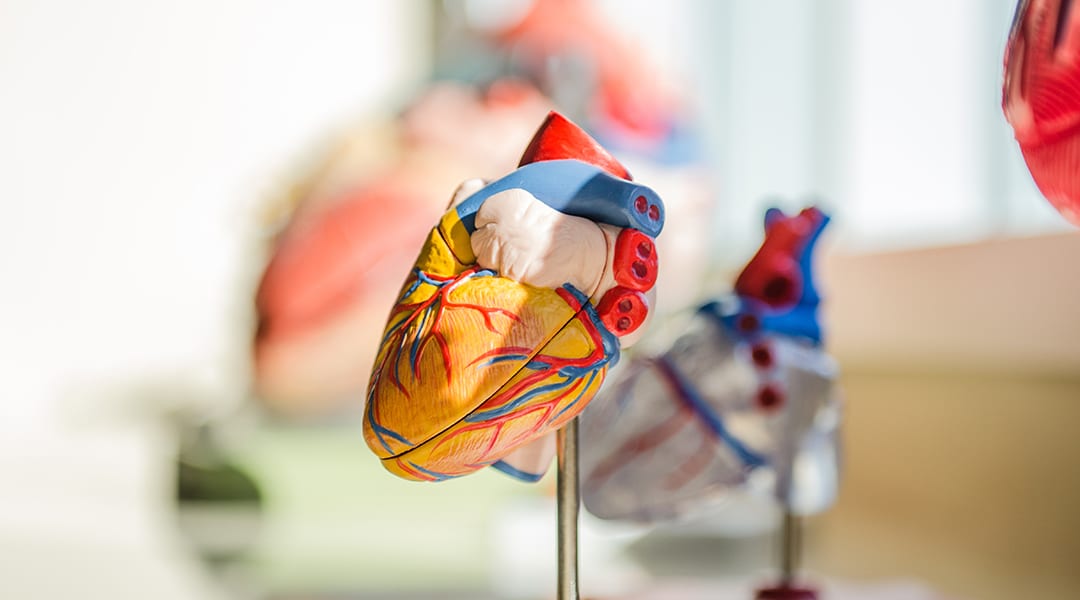
Stem cells found in the lungs can be redirected to the heart using a new inhaled antibody therapy to help boost healing following a heart attack.

Recent advanced in nanoparticle-based SERS imaging has led to better diagnoses of diseases like cancer, and improvements in image-guided tumor surgeries.
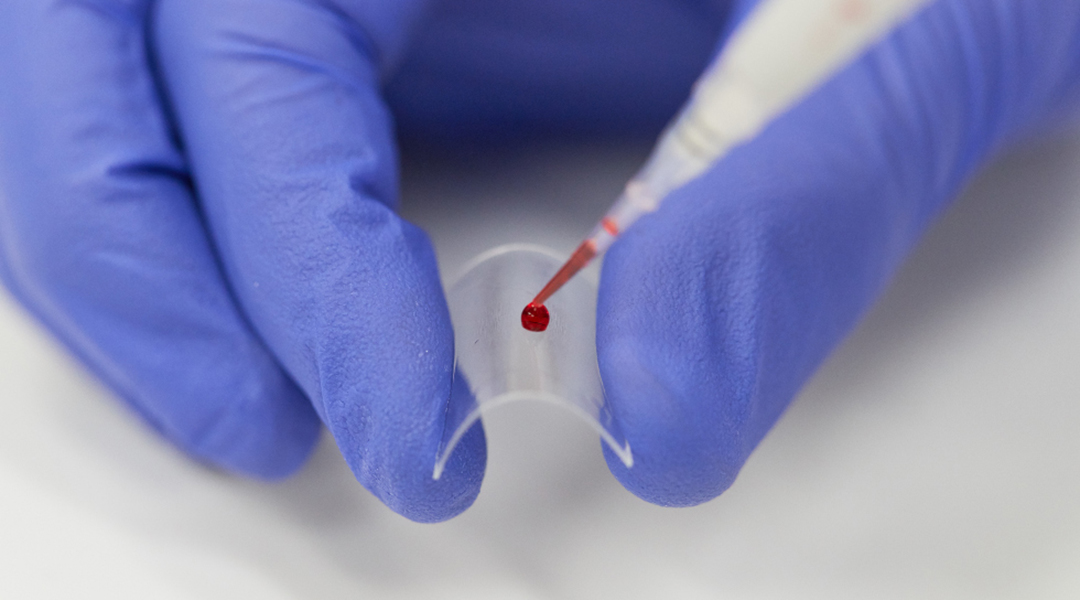
An inventive new approach lowers the limit of detection for a common assay, allowing researchers to identify elusive biomarkers in complex fluids, like the blood.
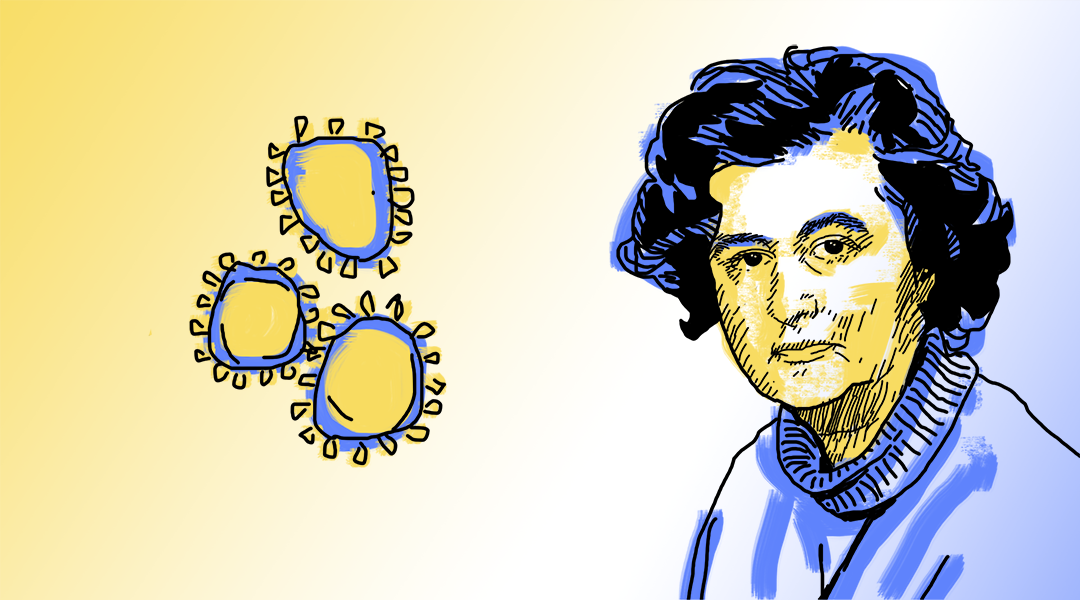
No formal scientific education, a single mother, author of 103 scientific papers, the first person to see a corona virus, June Almeida was a tour de force.
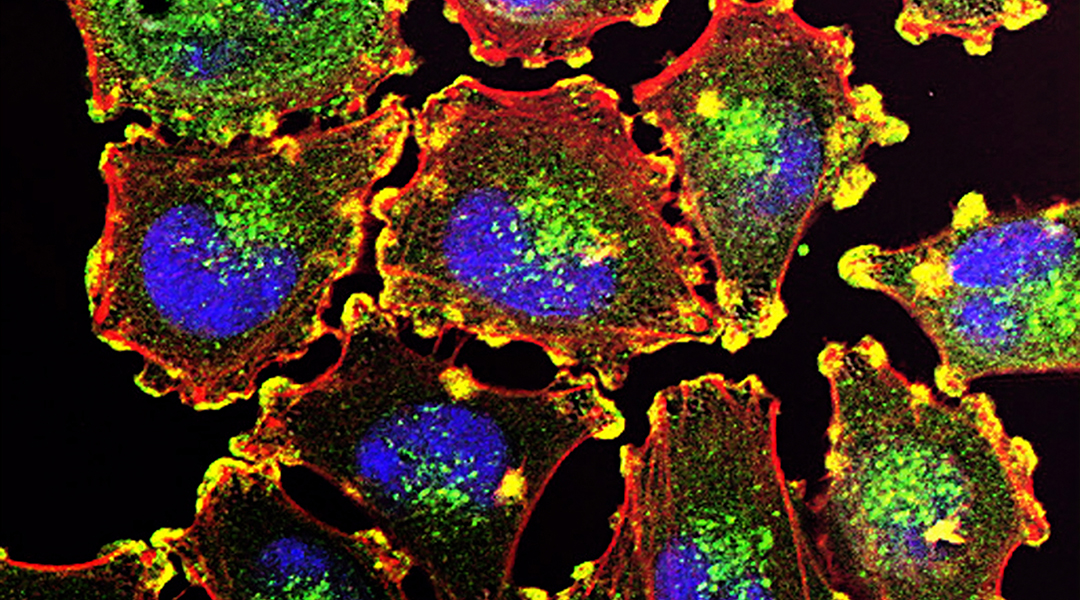
Light-activated proteins enable scientists to study and engineer subcellular structures for research and biotechnological applications.
 New theory suggests gravity is not a fundamental force
 Higgs boson may be driving the Universe’s expansion
 Water-powered gadgets may be on the horizon thanks to new evaporation-based energy device
 Scientists discover a new class of antibiotics
 Micron-sized hidden dimensions could solve two of physics’ deepest puzzles
 A new type of dark matter could explain mysterious radiation from the Milky Way’s core