Researchers engineer a hydrogel that recapitulates biophysical changes in the tissues surrounding tumors to investigate how stiffness impacts the mobility of invasive and non-invasive cancer cells.
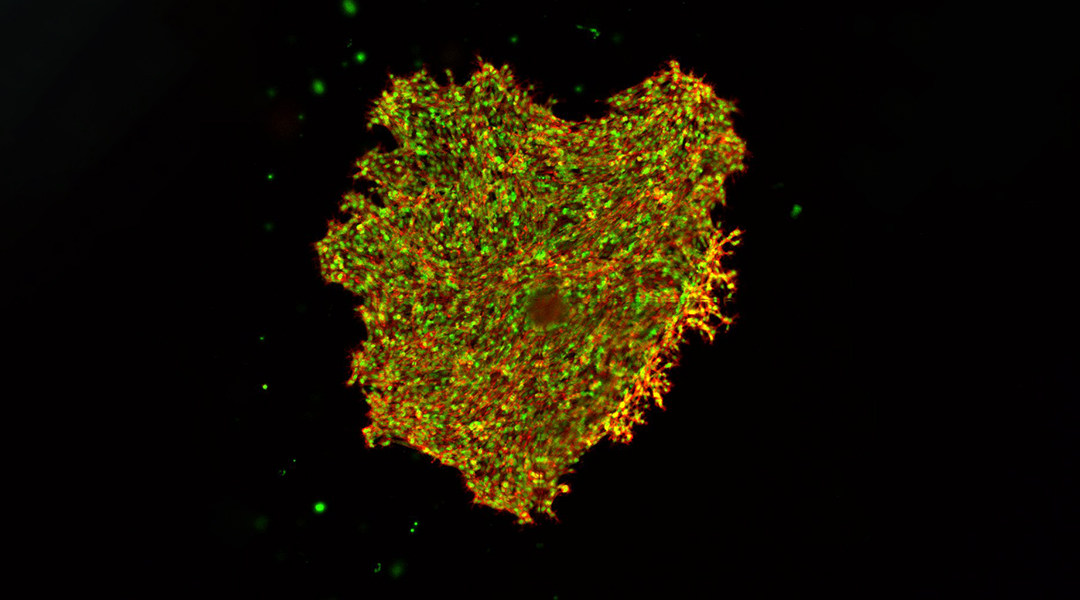

Researchers engineer a hydrogel that recapitulates biophysical changes in the tissues surrounding tumors to investigate how stiffness impacts the mobility of invasive and non-invasive cancer cells.
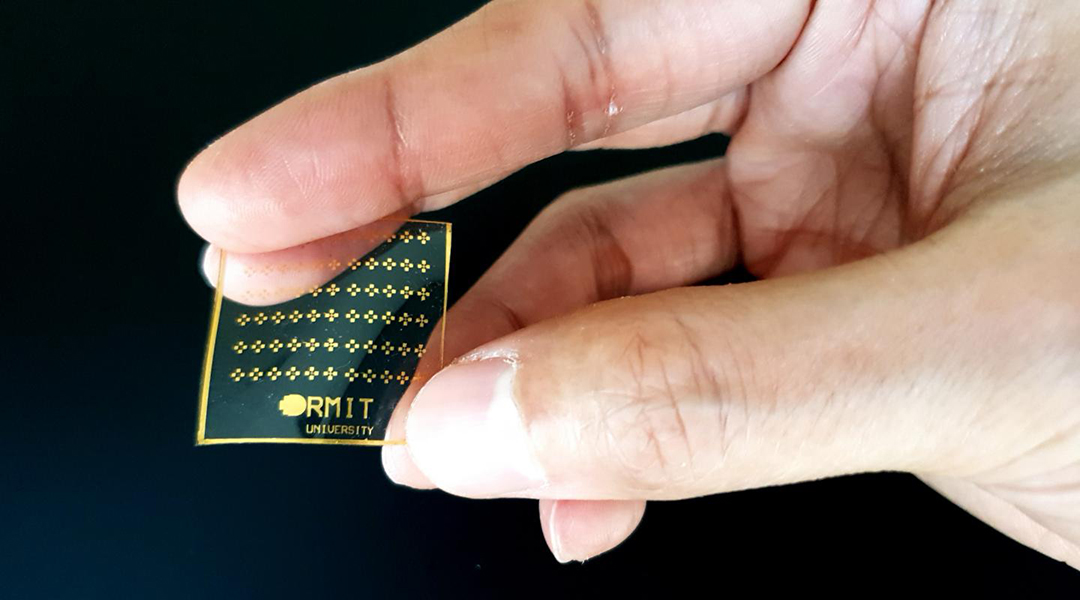
Prototype device electronically replicates the way human skin senses pain.

A new study is the first to examine micro- and nanoplastic occurrence in human organs, providing the first clues on potential exposure sources and routes.
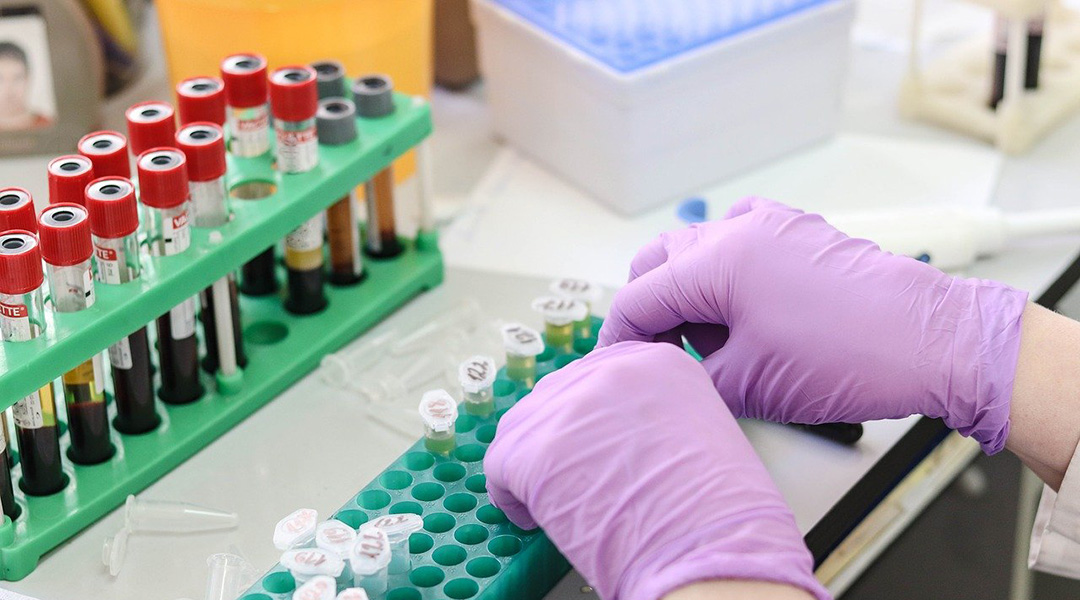
Researchers at Lund University hail potential game changer in early diagnosis.

Bursting dynamics that mimic the functions of the human brain pave the way for more efficient AI systems.
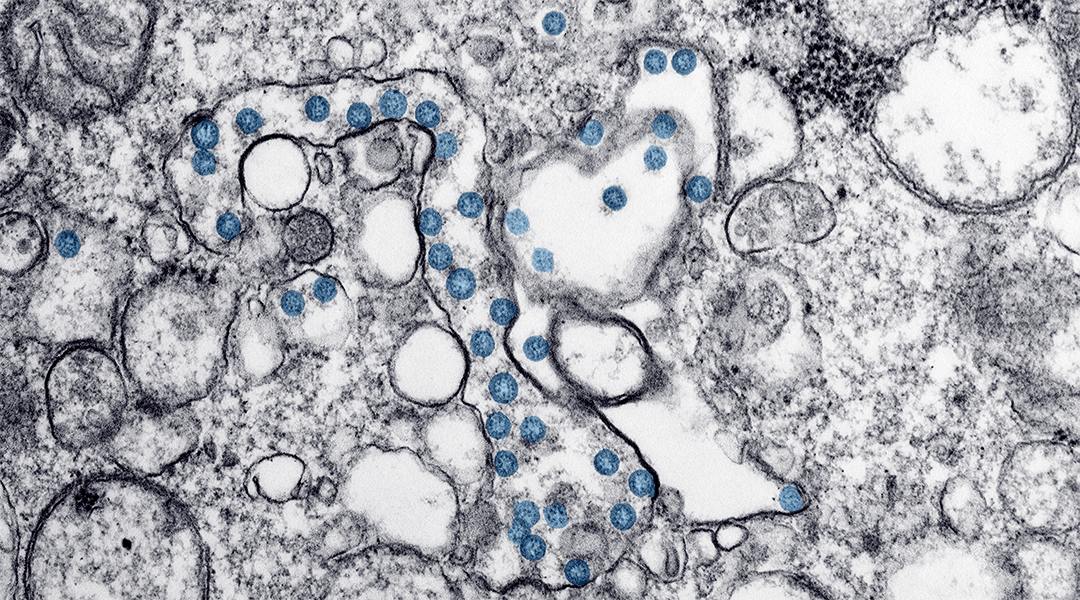
A global study looks into the prevalence of neurological symptoms in patients with COVID-19.
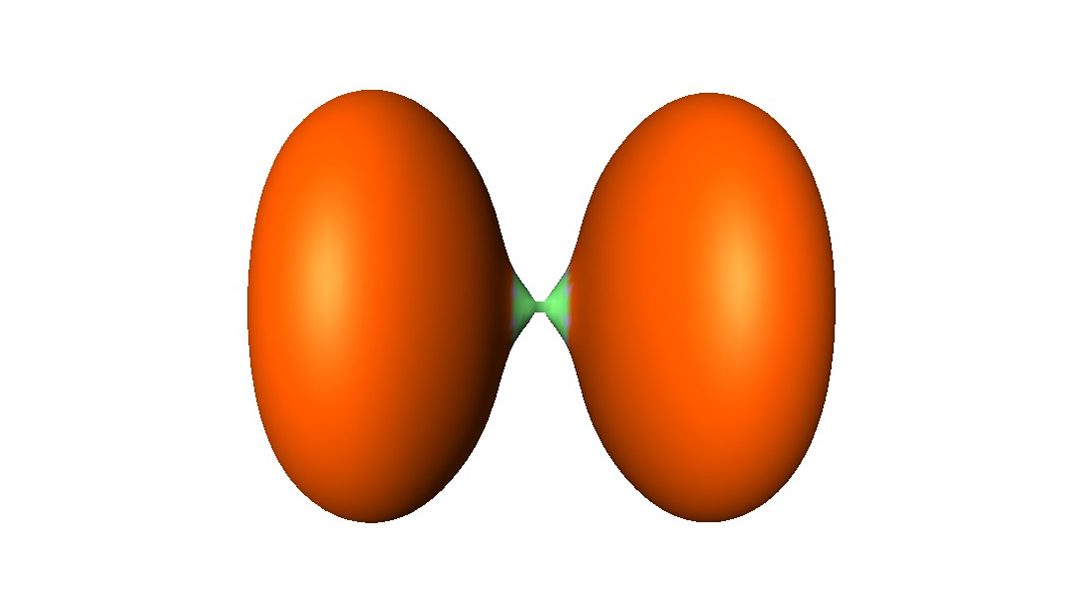
A newly discovered class of fundamental bonding interactions is changing our understanding of chemistry.

Researchers have successfully induced a hibernation-like state in non-hibernating rodents, suggesting the possibility of synthetic hibernation for humans.
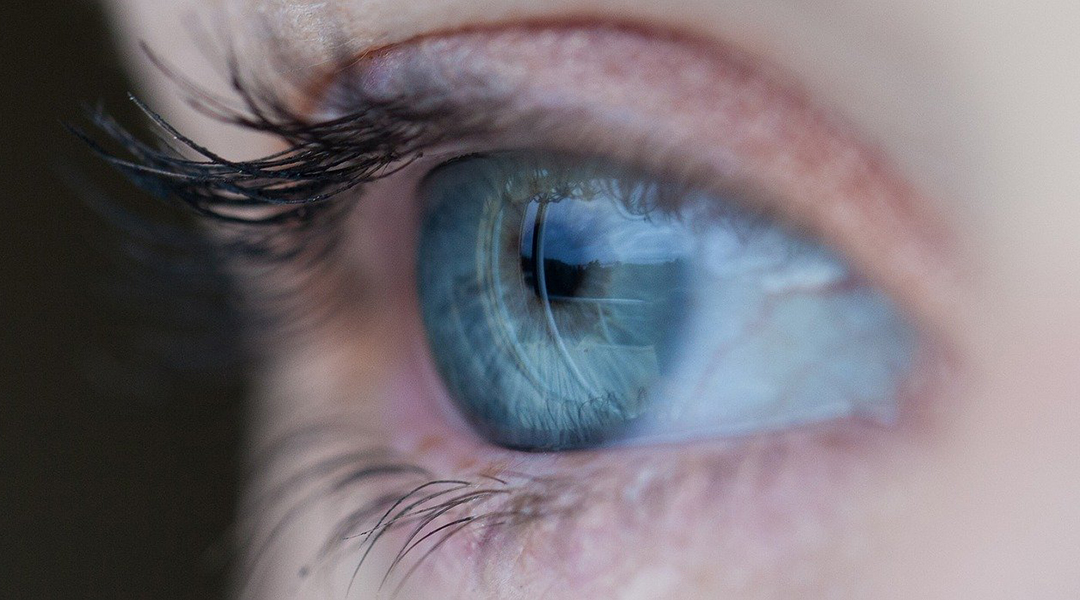
Scientists at Hong Kong University of Science and Technology make artificial eye far better than anything current.
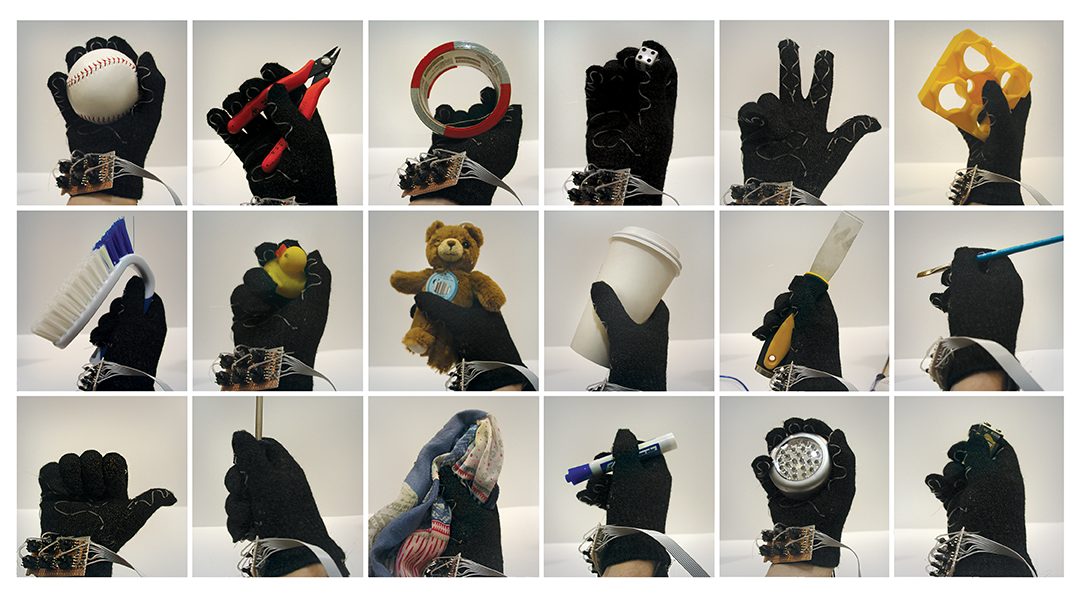
Using off-the-shelf components and simple fibre-based construction, a new smart glove captures the complex sensing and high-order reasoning of the human hand.

 Micron-sized hidden dimensions could solve two of physics’ deepest puzzles
 Turning Periods into Power: Menstrual Blood a Valuable Resource for Medical Diagnostics
 Surfactants Steer Supraparticle Structure
 Bone loss in obesity traced to gut microbiota
 Edible electronics realize safe, complex monitoring devices
 Fermilab Confirms Muon g-2 Measurements