Mass tourism has grown exponentially across the last decade, bringing nearly 2 million tourists to Baikal’s sparsely populated shores.
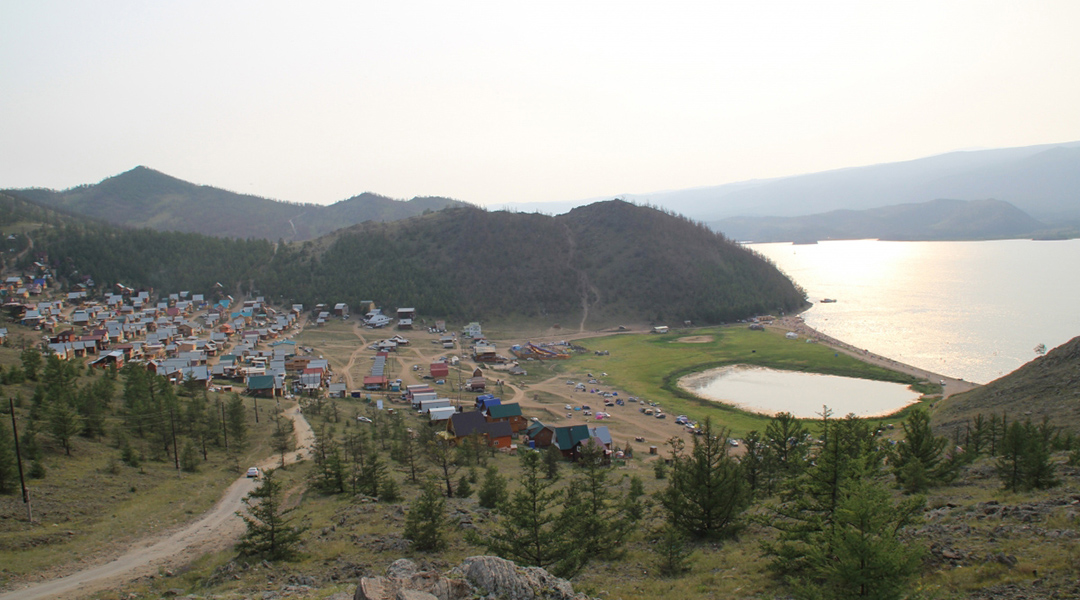

Mass tourism has grown exponentially across the last decade, bringing nearly 2 million tourists to Baikal’s sparsely populated shores.
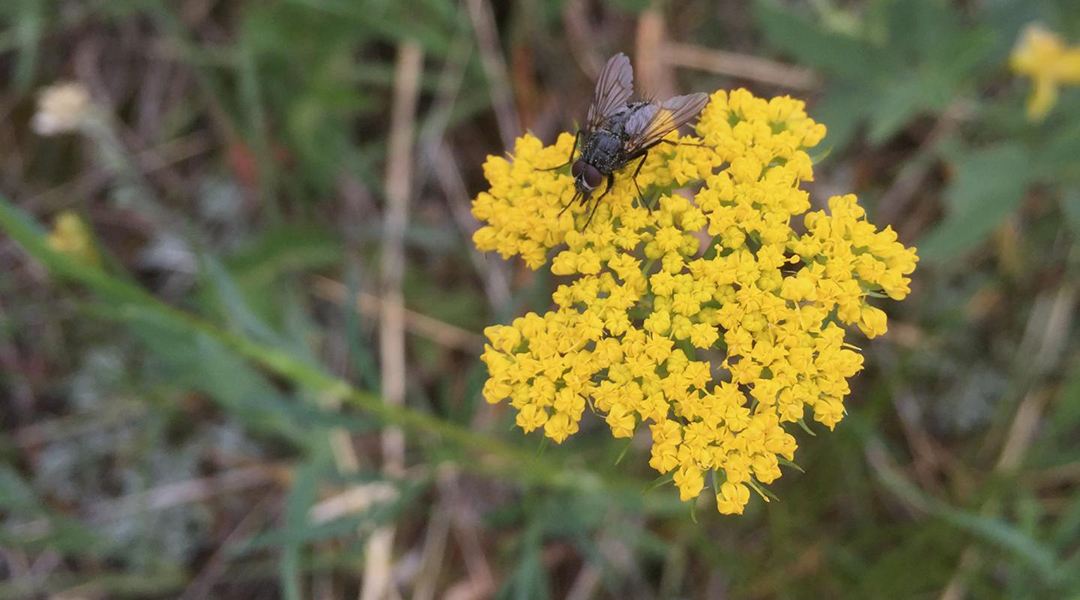
New study finds “generalist” plants and pollinators play a crucial role in maintaining biodiversity and may also serve as buffers against some impacts of climate change.
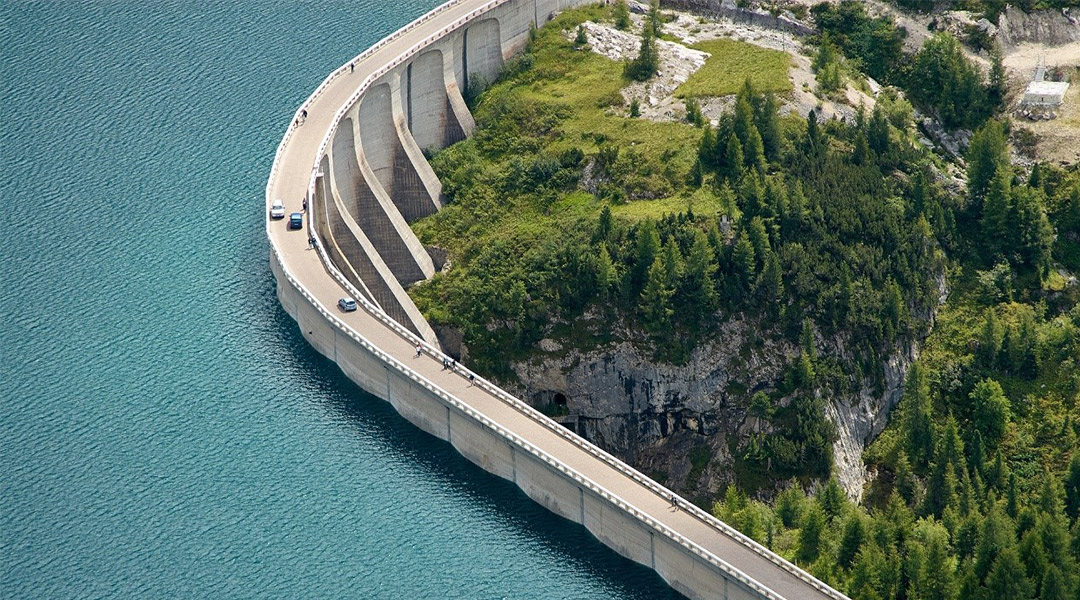
Any discussion about the role of new reservoirs must focus on the creation of new unsustainable demand.

Urbanization is threatening global water supplies, but finding a way to balance expansion with sustainable water management between nature, people, and the city water infrastructure.
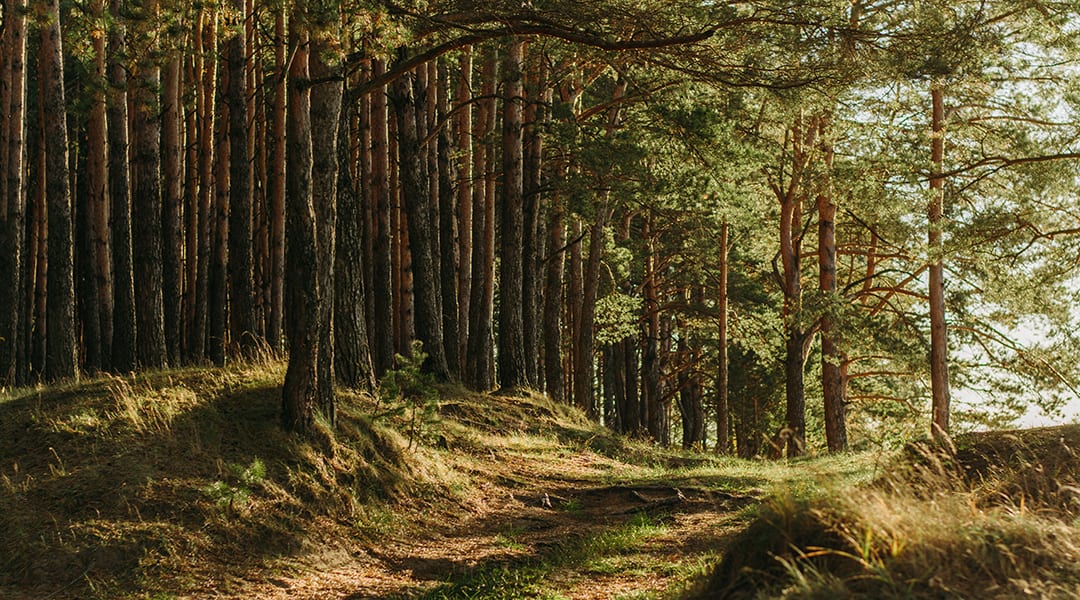
Nature is widely adapted to the current climate, making it harder to adjust to a new one.
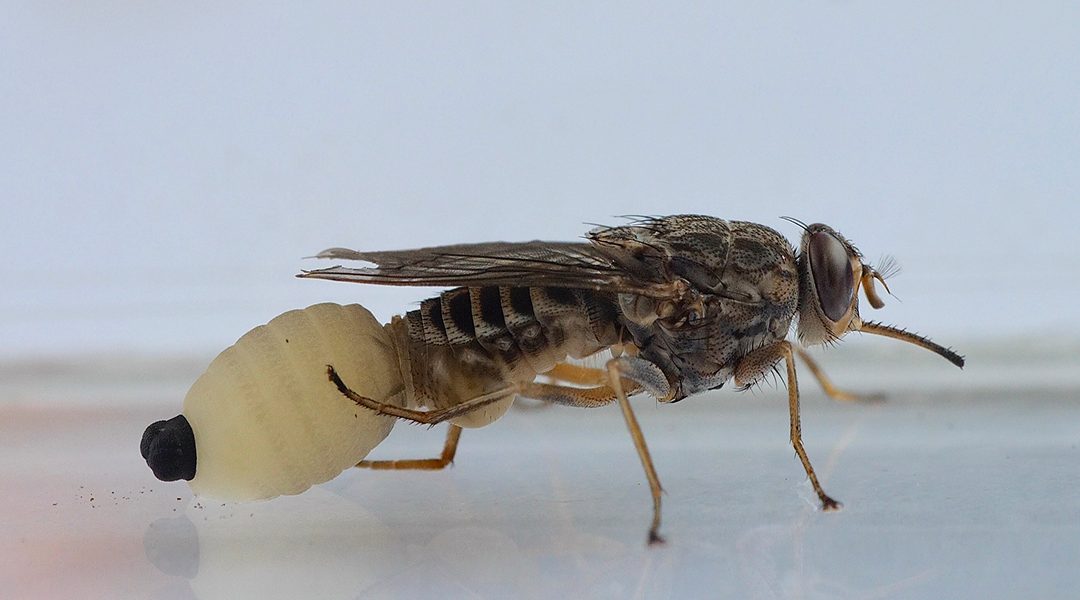
Tsetse flies, which miraculously birth young bigger than the mother, show us what science is about.
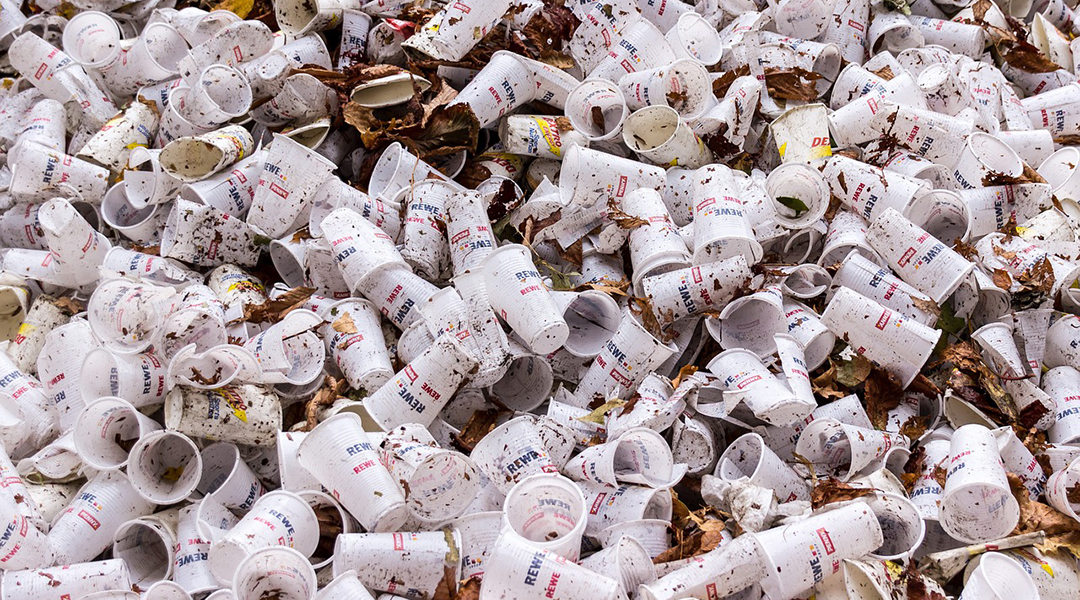
While plastic waste is an issue, its prominence in the general public’s concern for the environment is overshadowing greater threats.
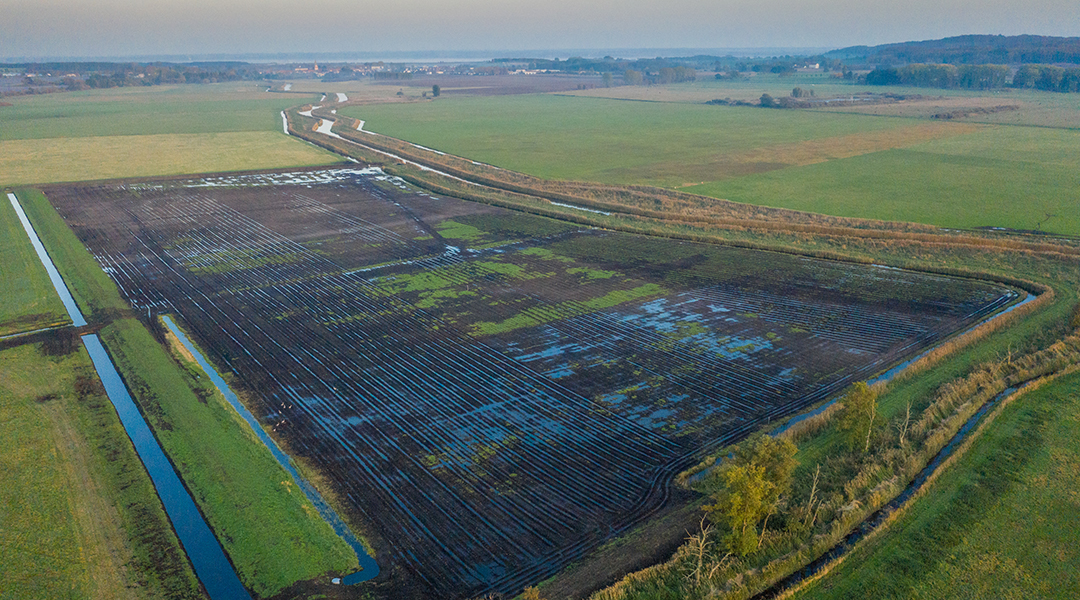
Peatlands are among the most valuable ecosystems on Earth but when damaged are a major source of greenhouse gas emissions.
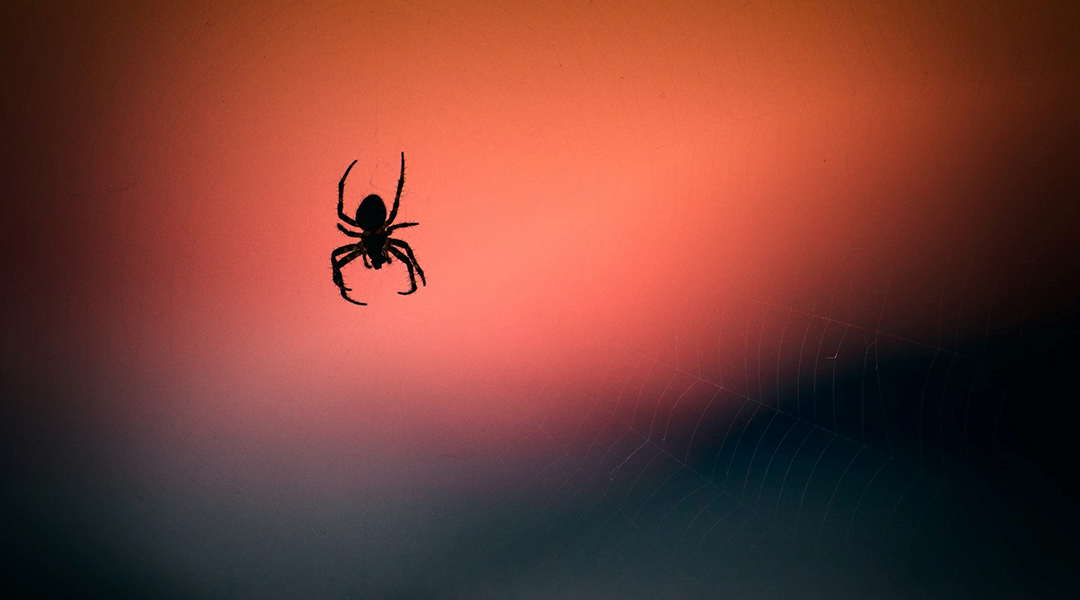
New research is uncovering the importance of small predatory species in shaping ecosystems and managing threatened populations.
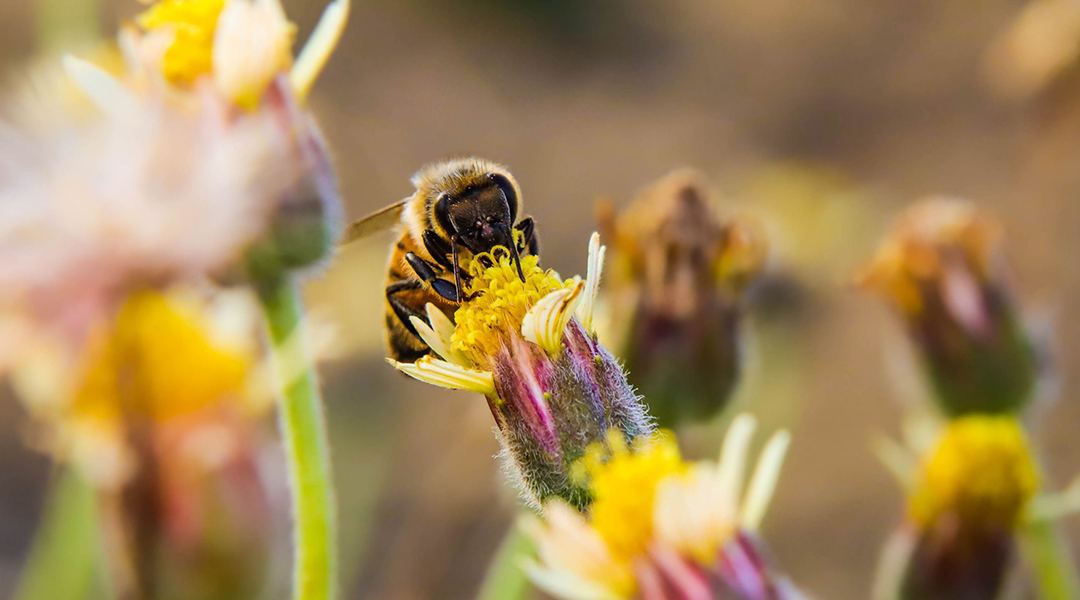
Spread of the giant Asian hornet (Vespa mandarinia) in the USA threatens honeybee colonies, and new analysis assesses the possible impact.
 New theory suggests gravity is not a fundamental force
 Higgs boson may be driving the Universe’s expansion
 Water-powered gadgets may be on the horizon thanks to new evaporation-based energy device
 Scientists discover a new class of antibiotics
 Micron-sized hidden dimensions could solve two of physics’ deepest puzzles
 A new type of dark matter could explain mysterious radiation from the Milky Way’s core