Italian researchers explored the diagnostic capability of a multimodal spectroscopic approach for classifying normal brain tissue and epileptogenic focal cortical dysplasia in children.

Italian researchers explored the diagnostic capability of a multimodal spectroscopic approach for classifying normal brain tissue and epileptogenic focal cortical dysplasia in children.
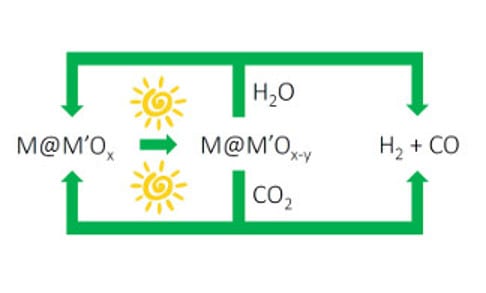
Musings on “solar fuels machines” for an efficient, scalable and cost-effective way to convert water and carbon dioxide into value added molecular energy carriers.
This month’s top Advanced Healthcare Materials papers.
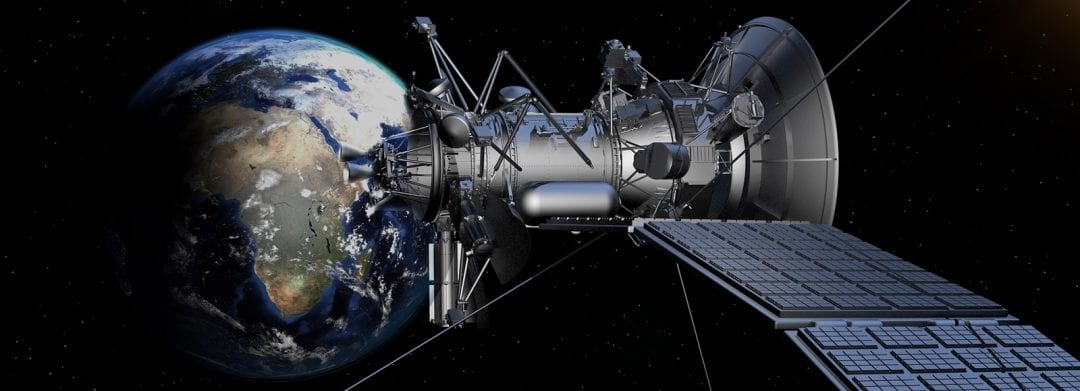
Launch of Heinrich Hertz communication satellite is scheduled for 2021. Currently more than 40 companies and organizations are involved, one of them is First Sensor.
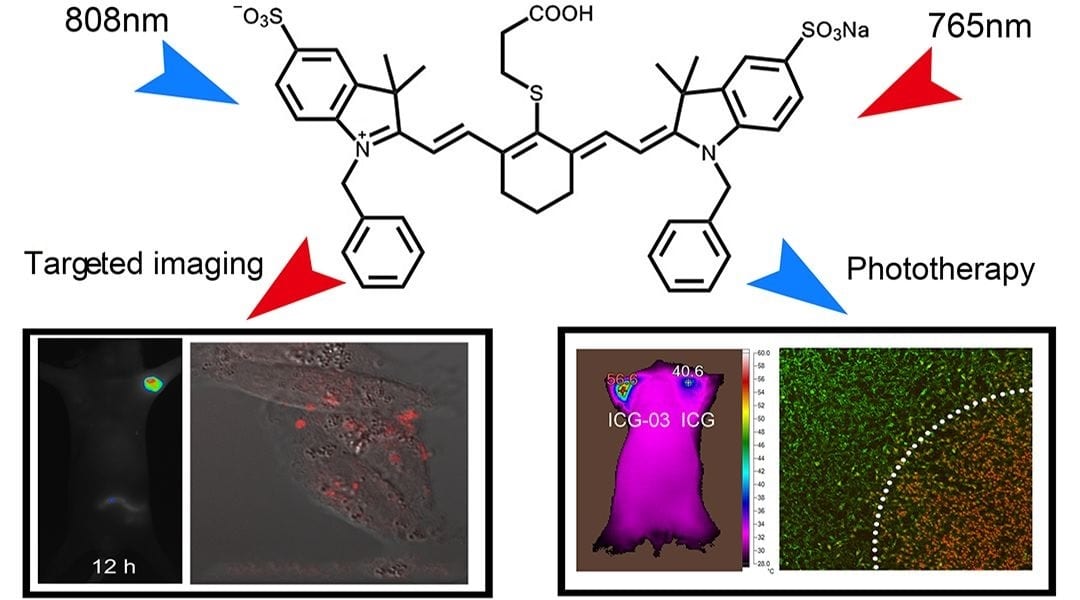
Researchers at the State Key Laboratory of Natural Medicines in Nanjing, China explain the versatility of a small molecular fluorophore, NIR-03, in cancer theranostics.
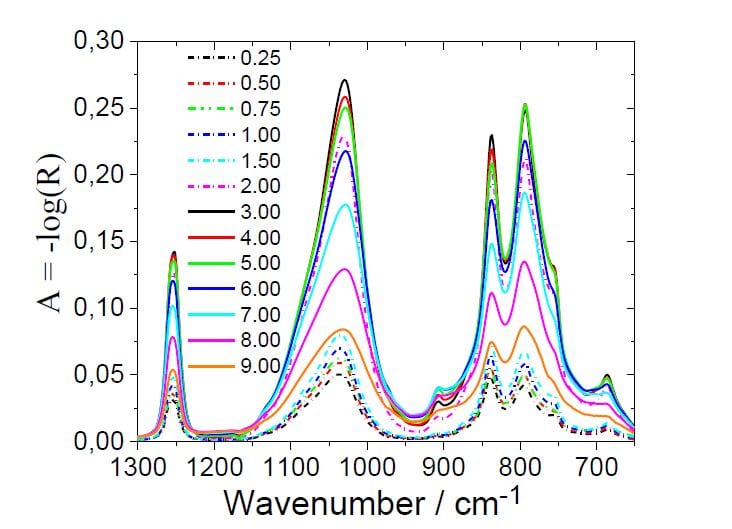
A new method of analysis of plasma-chemical energy-transfer processes is demonstrated.

Professor Yingfang Ao from Peking University Third Hospital, Haifeng Chen from Peking University, and colleagues use 3D printing to generate a silk fibroin/gelatin scaffold for knee cartilage regeneration.
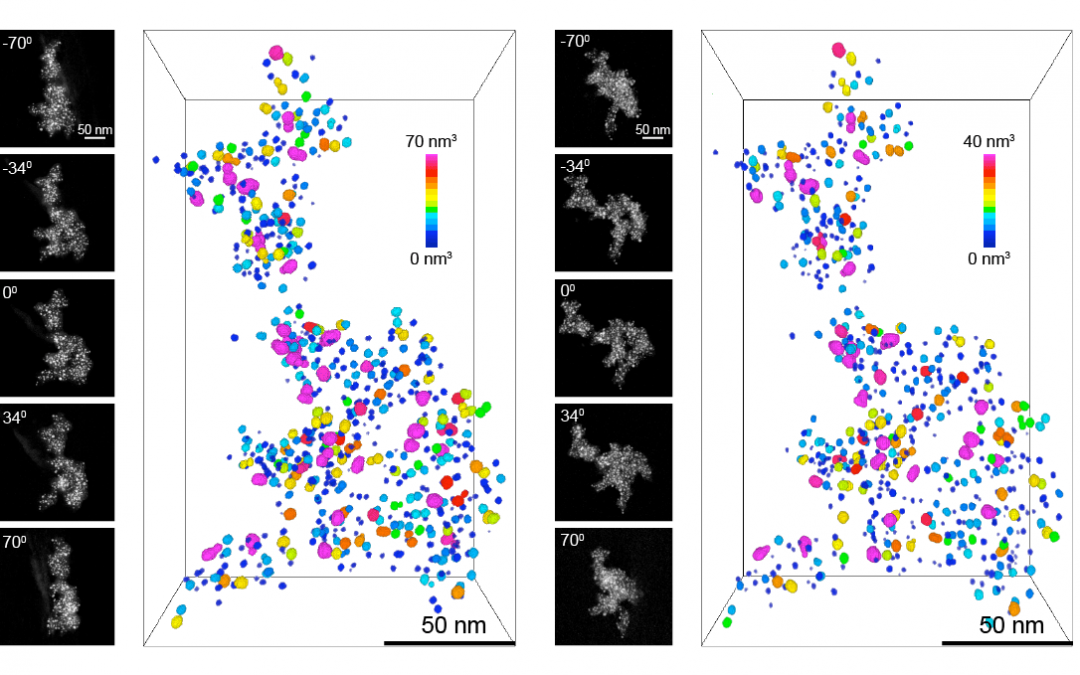
A technique known as Identical Location Tomography is implemented to monitor the morphology of Pt catalyst particles before and after electrochemical cycling.

The stability of biodegradable polymers in both fresh water and sea water is investigated to determine how degradable they really are.
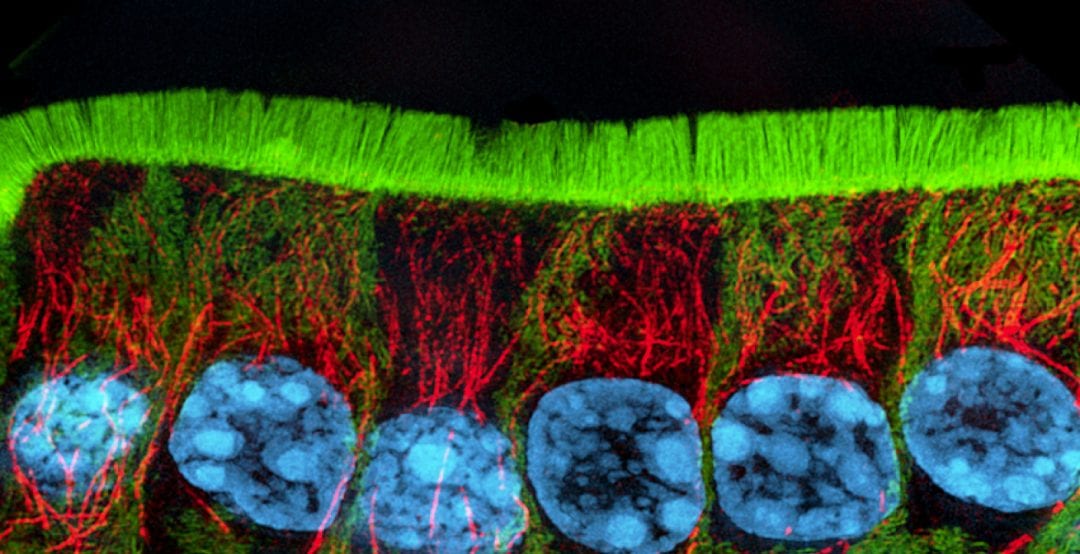
Phototoxicity is a serious challenge for fluorescence microscopy of living cells…
 New theory suggests gravity is not a fundamental force
 Higgs boson may be driving the Universe’s expansion
 Water-powered gadgets may be on the horizon thanks to new evaporation-based energy device
 Scientists discover a new class of antibiotics
 Micron-sized hidden dimensions could solve two of physics’ deepest puzzles
 Turning Periods into Power: Menstrual Blood a Valuable Resource for Medical Diagnostics