One drug, three modes of action: Clinicians combat the drug resistances of some cancer types by using a combination of different drugs.
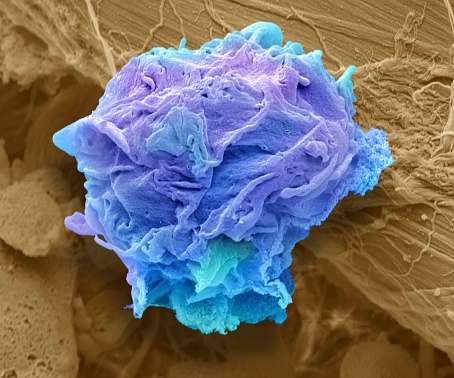

One drug, three modes of action: Clinicians combat the drug resistances of some cancer types by using a combination of different drugs.
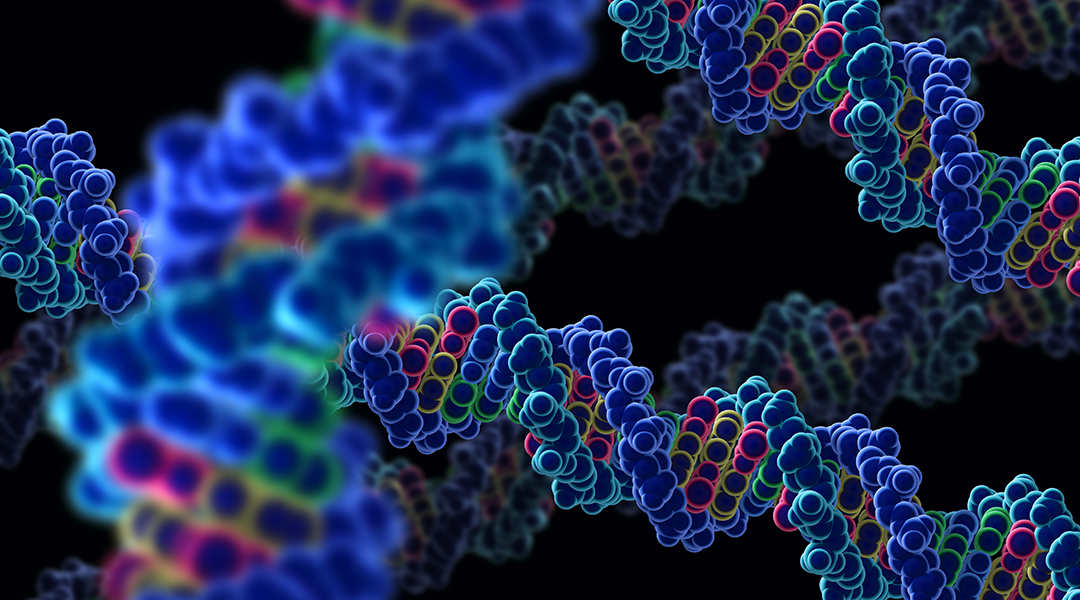
Every gene found in our DNA exerts its action via the activity of its encoded protein product. However, the synthesis of the protein cannot take place directly from the gene. An intermediate messenger RNA (mRNA) molecule is first produced from the gene via a process...

Researchers solve some of the drawbacks related to DNA-based information storage by using synthetic macromolecules as an alternative for data encoding.

An automated microfluidics‐based reaction system provides hands-off synthesis for the modern lab.
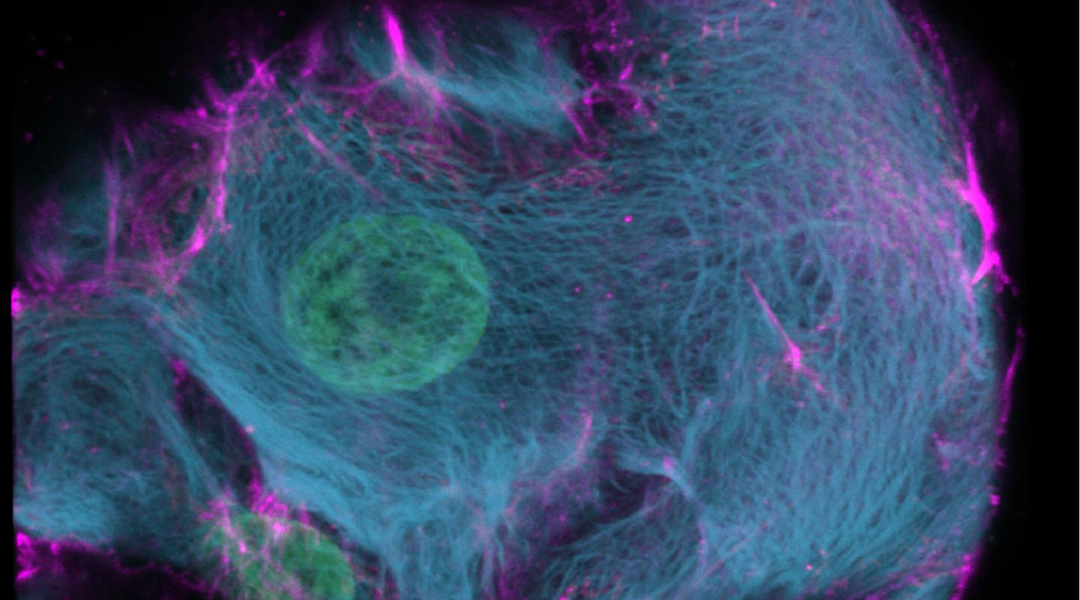
A new take on CRISPR allows researchers to “paint” cells and observe never-before-seen cellular processes in great detail.
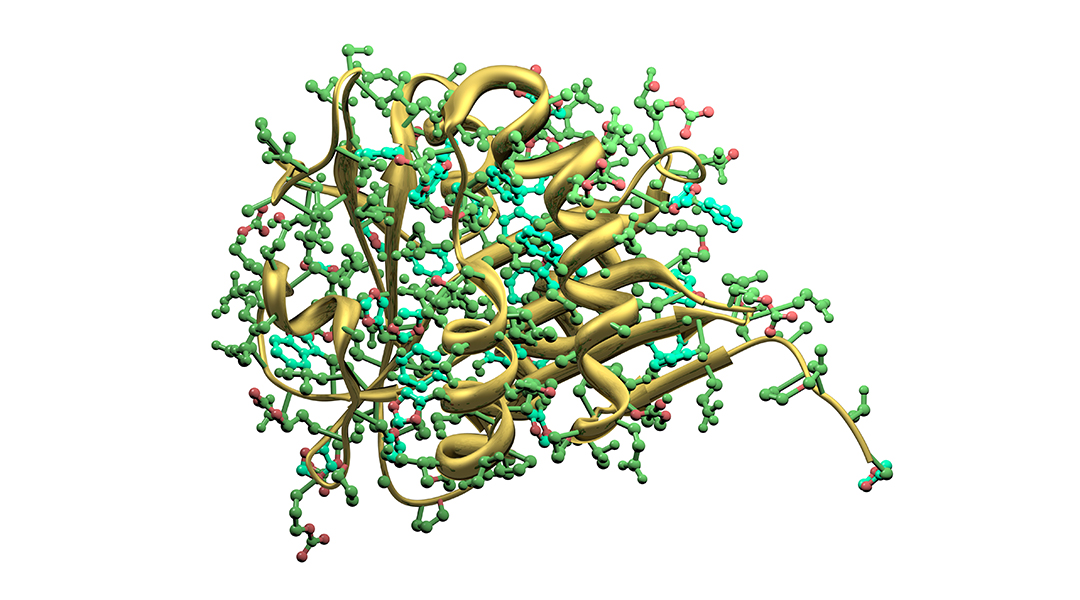
Artificial enzymes promise to not only help us understand the complex functioning of enzymes, but will create a new generation of biosystems for sustainable chemistry practices.
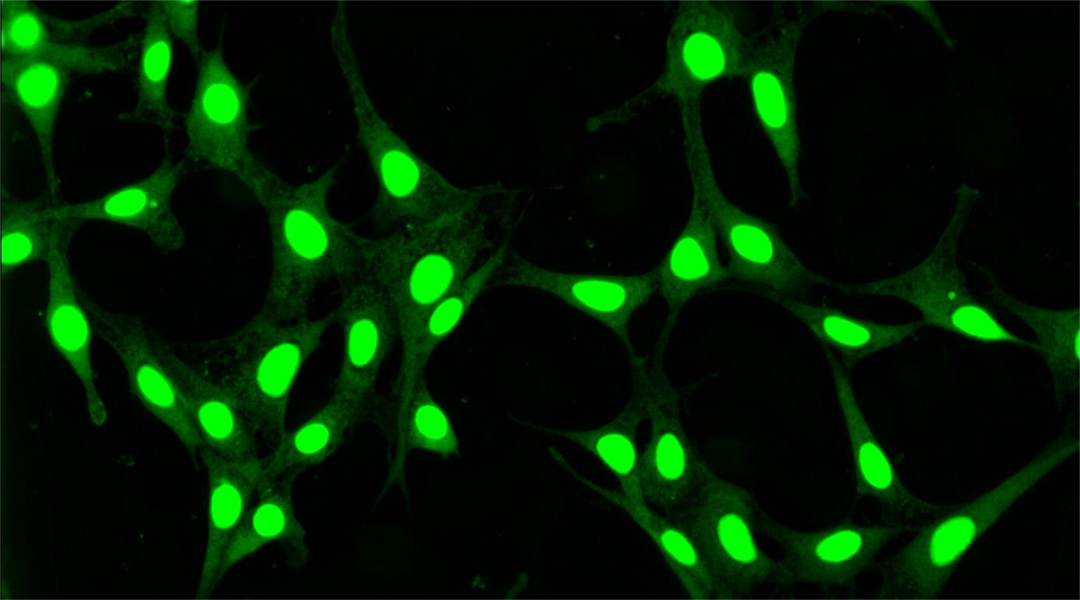
Fluorescent carbon dots could change the way in which we visualize cells.
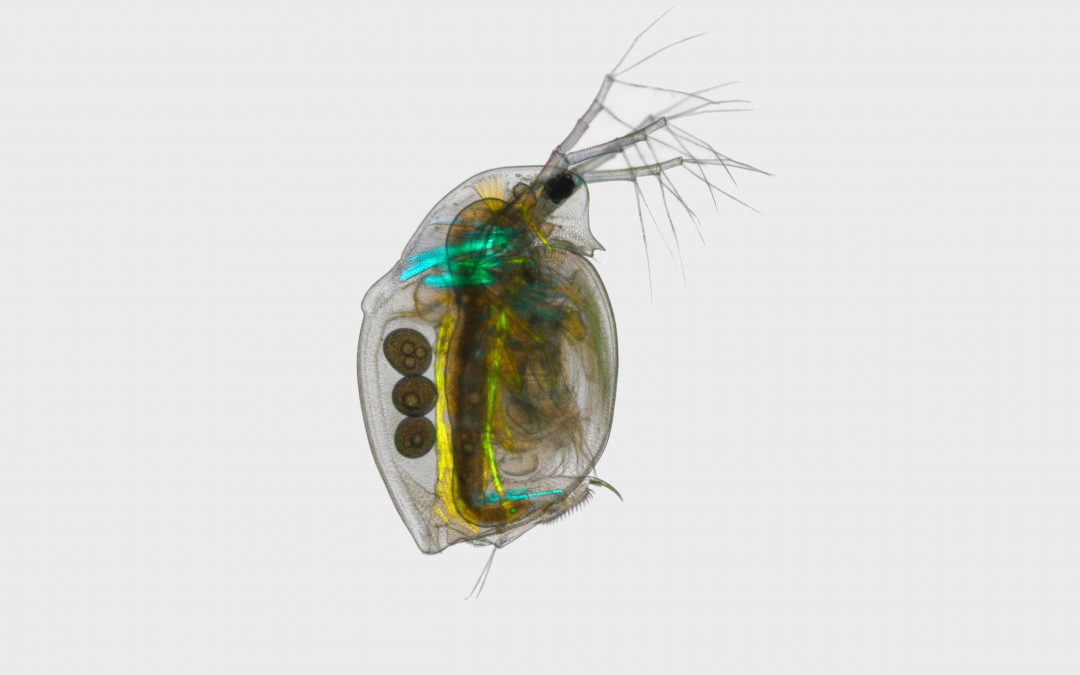
What is the advantage of laying eggs that are expensive to produce and take a long time to hatch? Perhaps there is more to this paradox then we originally thought.
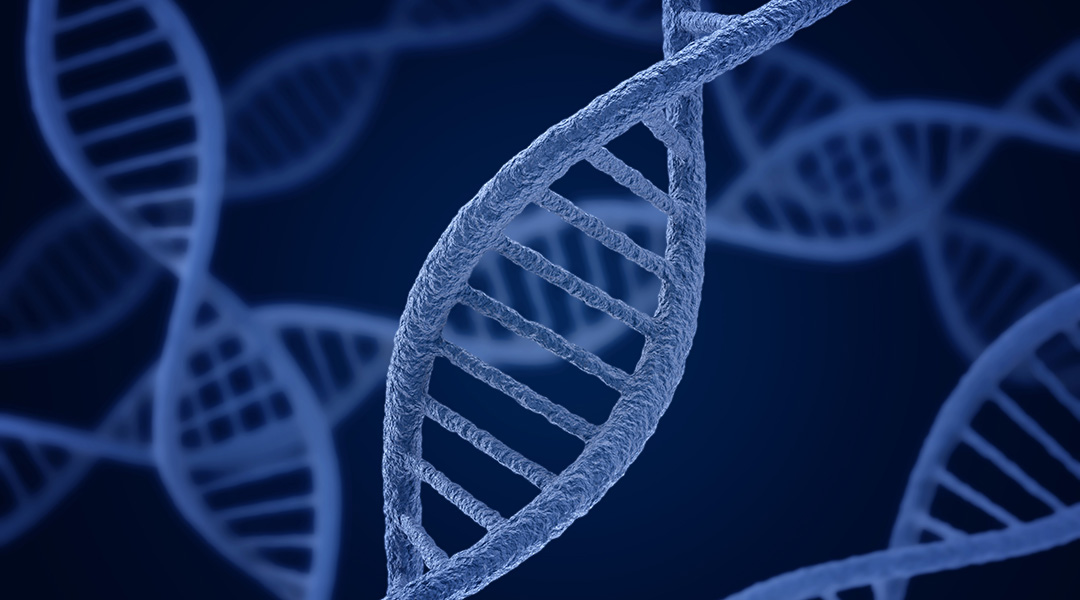
The first human trial using CRISP-edited genes to fight cancer has promising results.

A new, shorter total synthesis makes studying the therapeutic effects of Amanitins possible.
 New theory suggests gravity is not a fundamental force
 Higgs boson may be driving the Universe’s expansion
 Water-powered gadgets may be on the horizon thanks to new evaporation-based energy device
 Scientists discover a new class of antibiotics
 Micron-sized hidden dimensions could solve two of physics’ deepest puzzles
 A new type of dark matter could explain mysterious radiation from the Milky Way’s core