Unique enzymes found in the gut of sugarcane-eating capybaras could help convert agricultural waste into low-carbon biofuels.
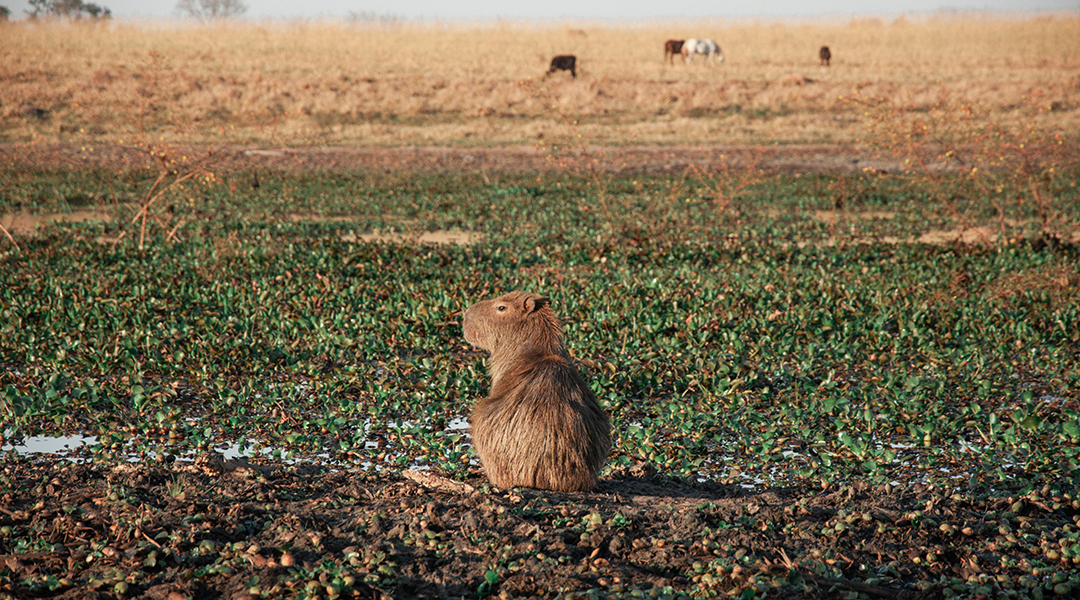

Unique enzymes found in the gut of sugarcane-eating capybaras could help convert agricultural waste into low-carbon biofuels.
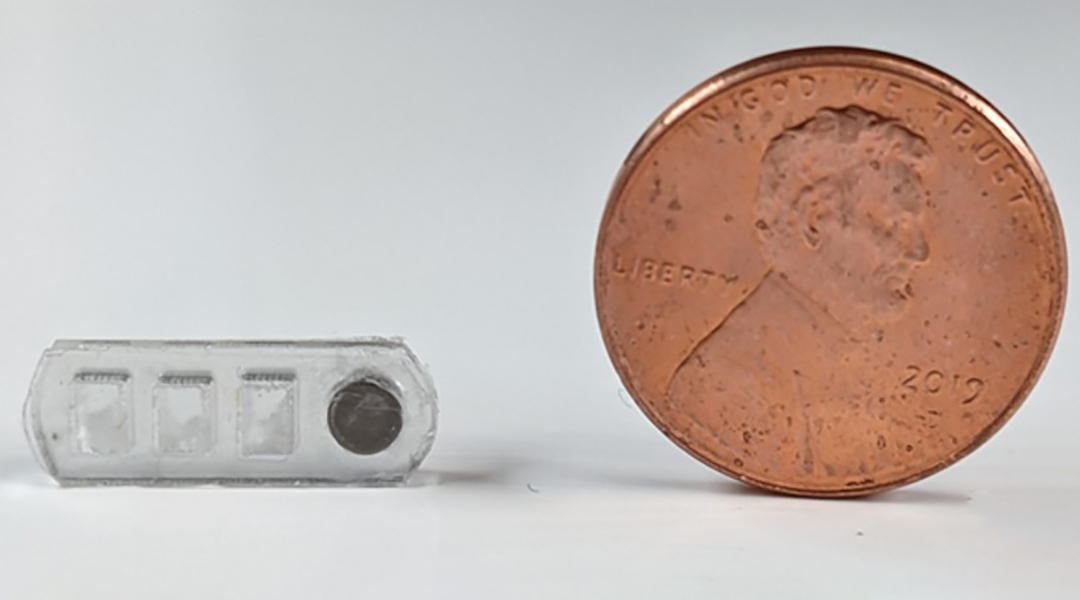
A robotic pill capable of collecting biomarkers, including proteins and bacteria, from the gut provides an easy-to-use disease screening tool.
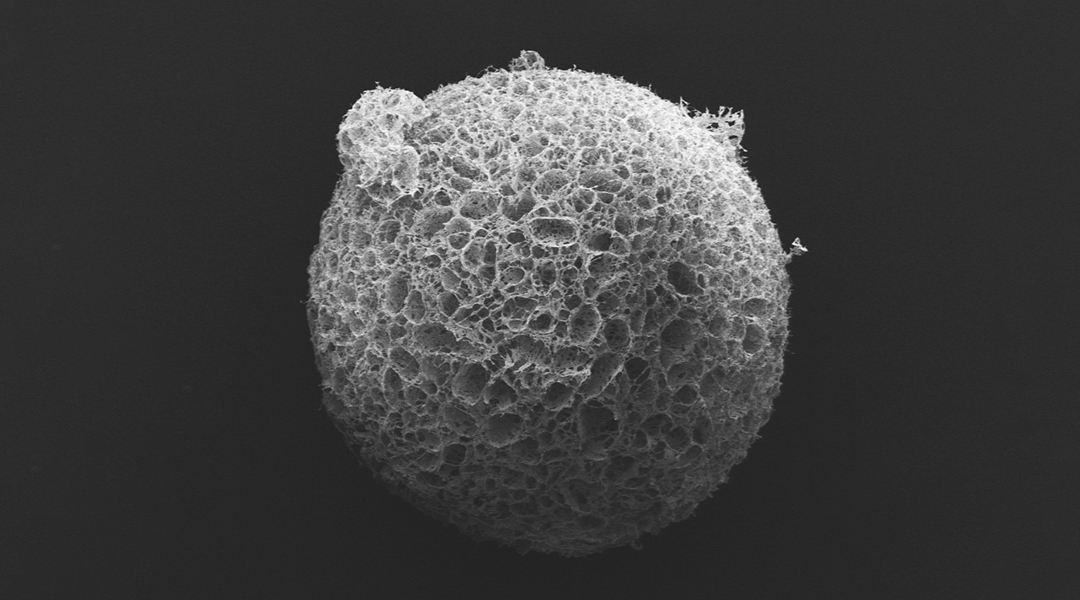
A virus-based treatment for stroke rebuilds neural connections and vascular networks in the brain.
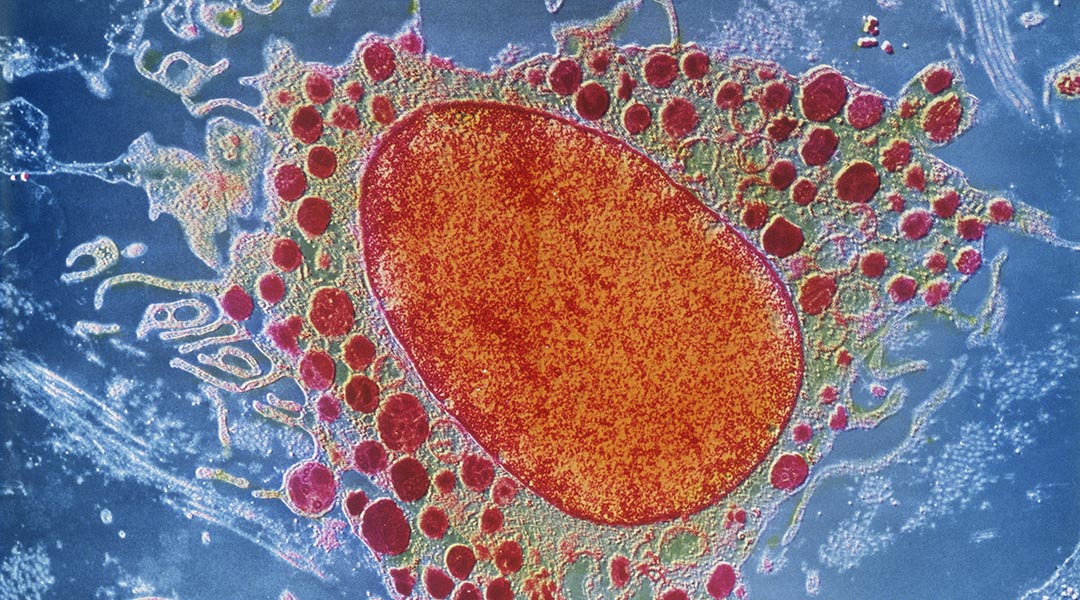
An extensive library of over one million cells could pave the way for new and repurposed treatments for a number of autoimmune diseases.
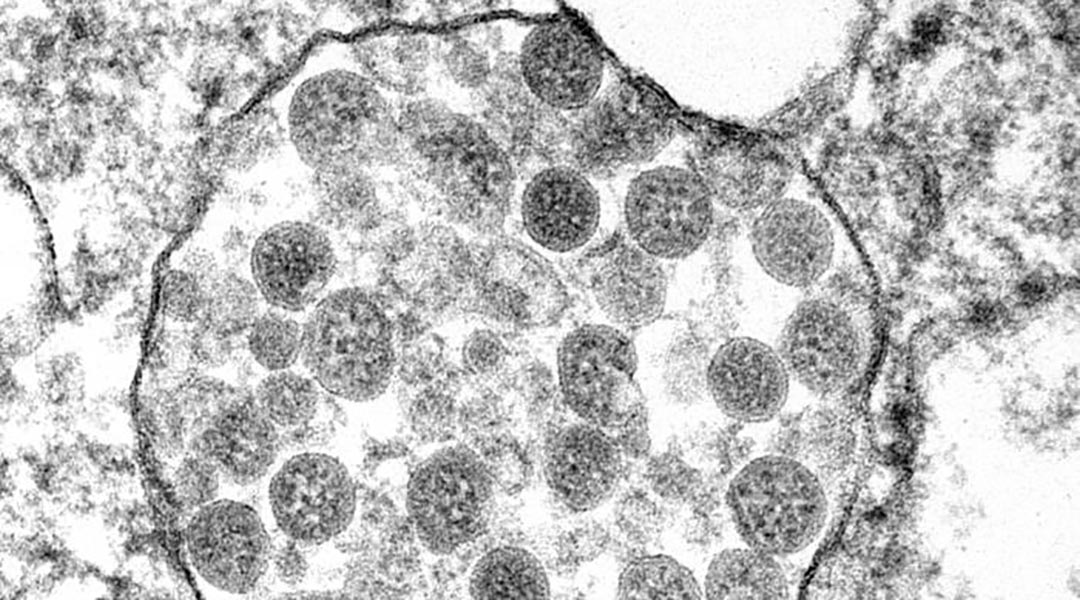
Using nanoparticles fitted with ACE2 receptors, researchers hope to lure SARS-CoV-2 away from healthy cells to inhibit the virus and treat infection.
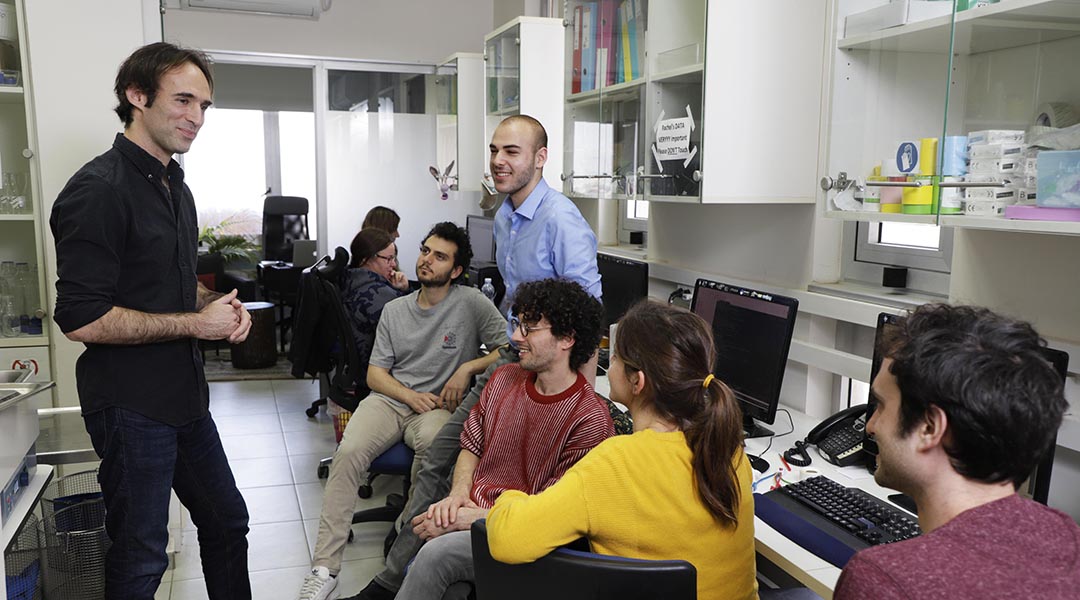
Neurobiologist Oded Rechavi investigates epigenetics, a curative use for brain parasites, and helped piece together the Dead Sea Scrolls using DNA.
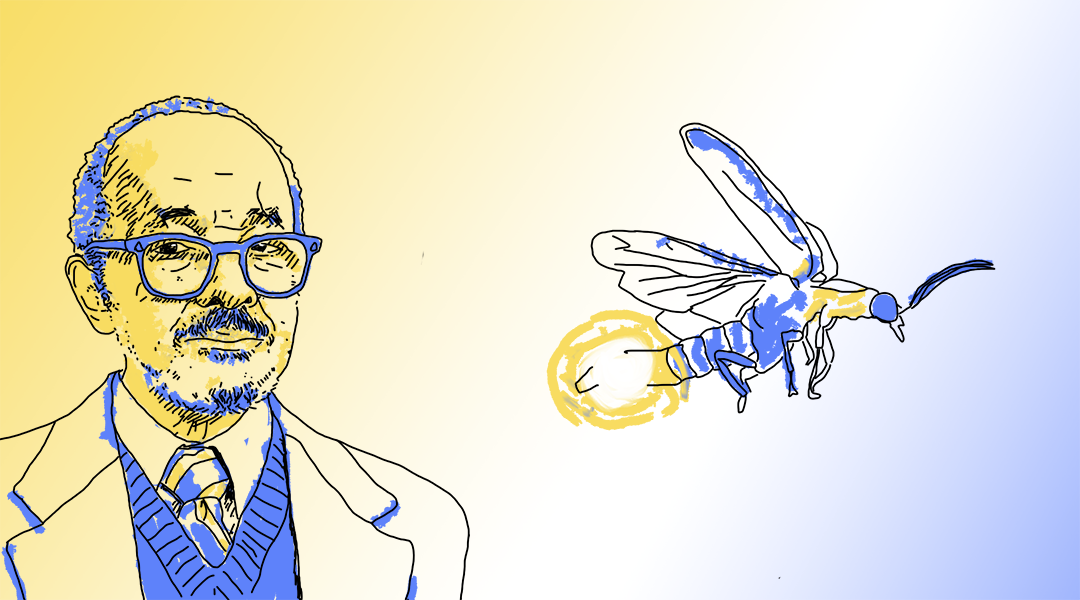
Biochemist and astrobiologist Emmett Chappelle created a simple means of identifying life and opened a new world for fluorescence testing.
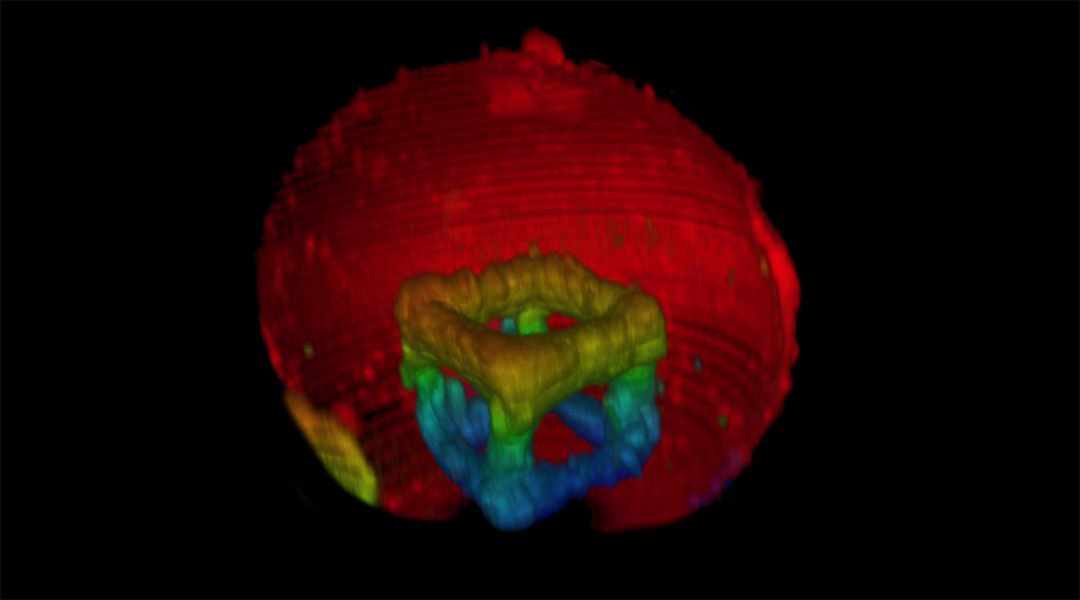
3D-printed structures can be built inside synthetic cells without opening or damaging them.
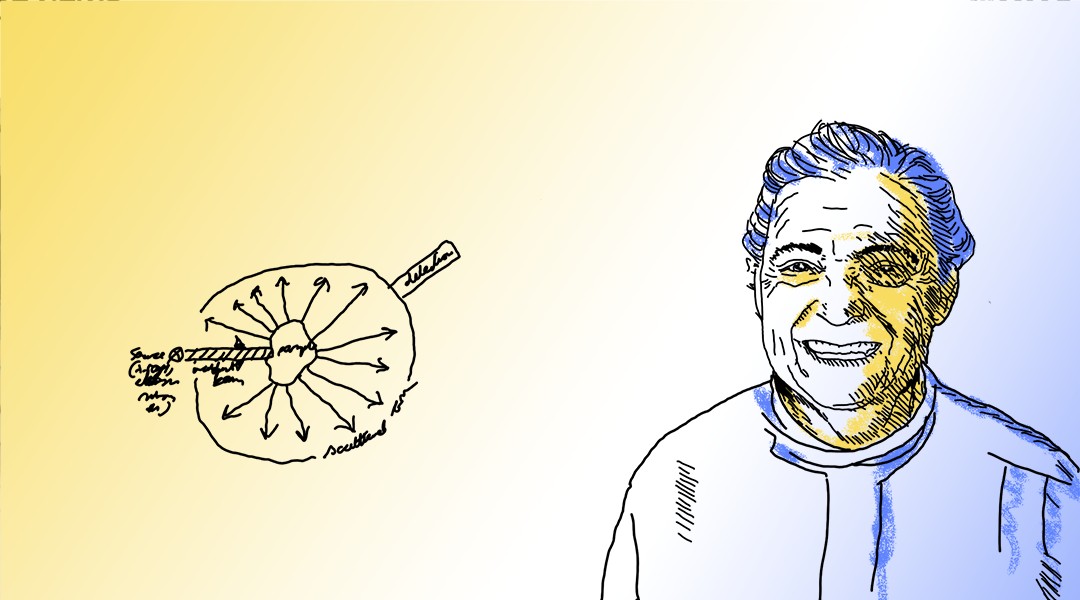
The “Queen of Carbon” made her mark on solid state physics, but no less important is the impact she had as an inclusive and inspirational teacher.
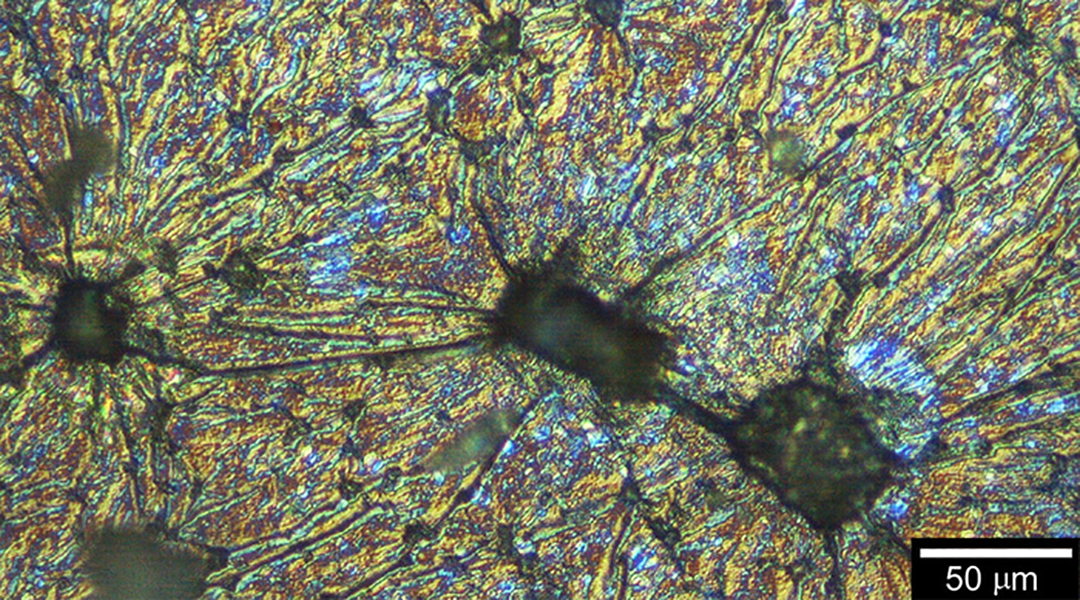
Researchers have used helical virus particles as chiral templates for growing polymers with magnetic properties.
 New theory suggests gravity is not a fundamental force
 Higgs boson may be driving the Universe’s expansion
 Water-powered gadgets may be on the horizon thanks to new evaporation-based energy device
 Scientists discover a new class of antibiotics
 Micron-sized hidden dimensions could solve two of physics’ deepest puzzles
 A new type of dark matter could explain mysterious radiation from the Milky Way’s core