Researchers find the sweet spot between strength and biocompatibility in these tiny cell-carrying microrobots.
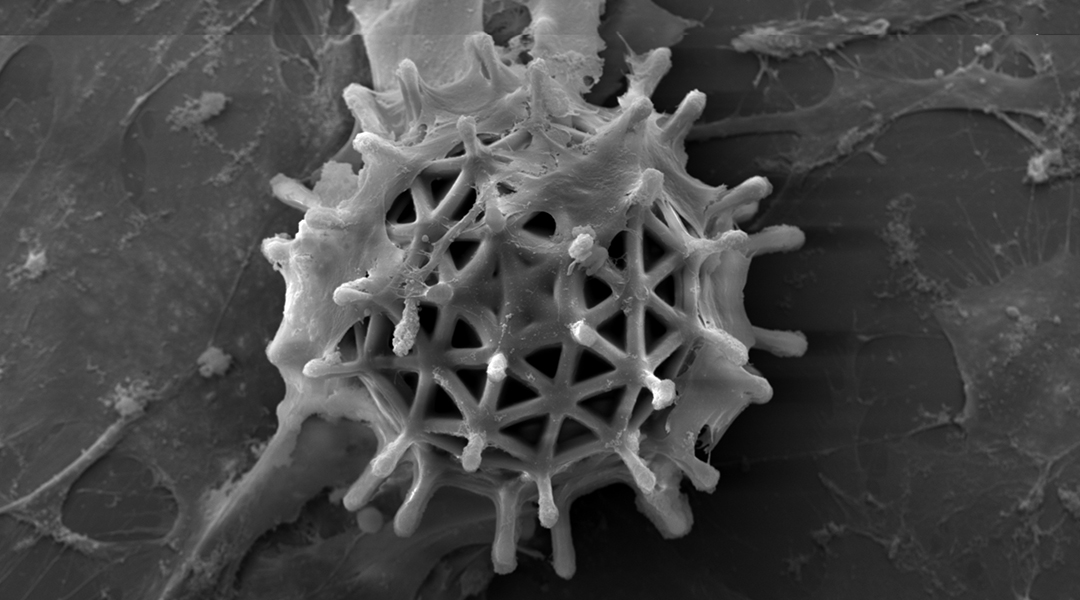

Researchers find the sweet spot between strength and biocompatibility in these tiny cell-carrying microrobots.
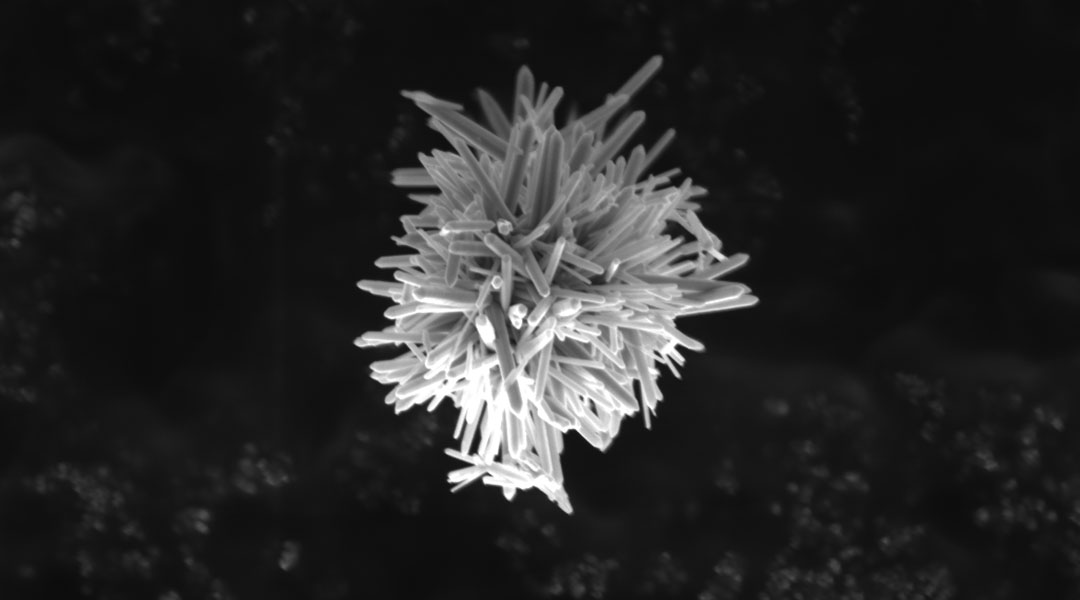
Bacteria-killing micromotors, microscopic patchworks, and DNA fibers decorated with self-made “smileys” — science has never looked better.
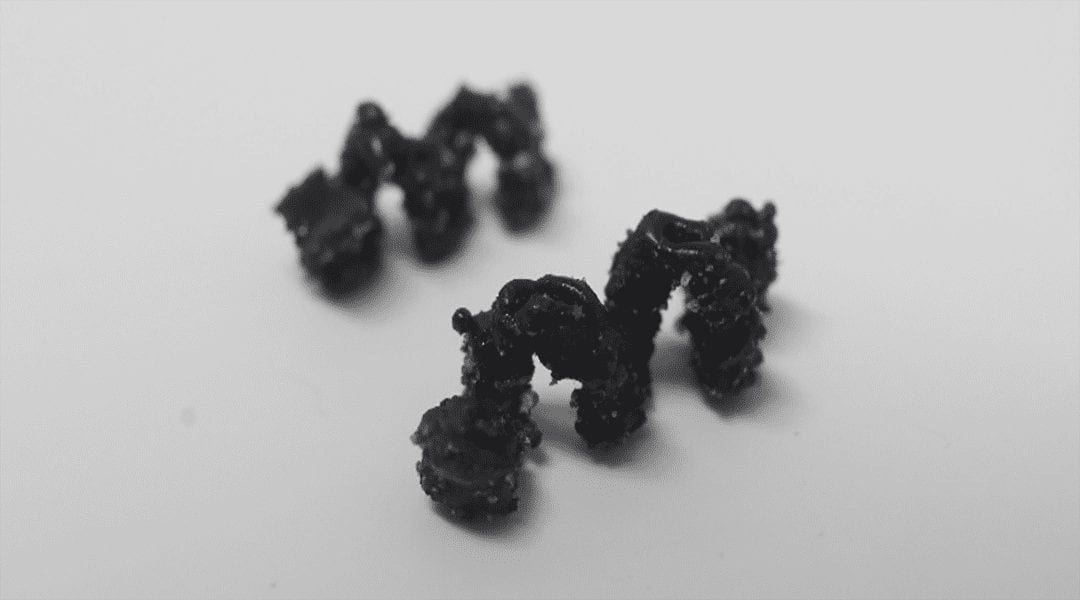
By mixing sugar and magnetic particles, researchers create biodegradable “CANDYBOTS” with potential applications in drug delivery and ingestible devices.

Hybridizing biofabrication processes will lead us to superior “living” tissue and organ substitutes that can be used to treat patients in lieu of donor grafts and metal and plastic devices.
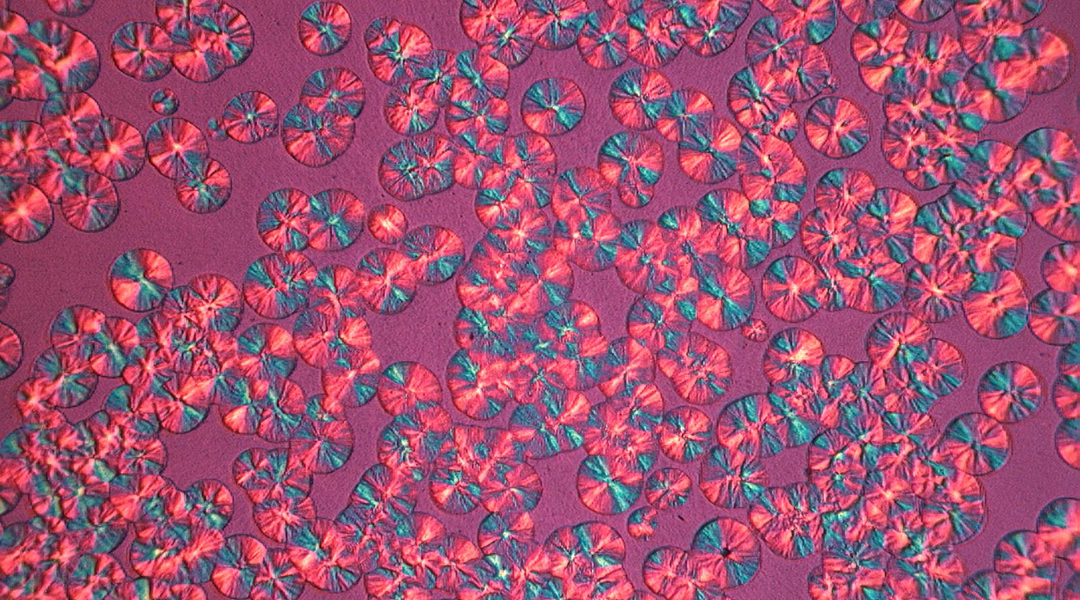
Bringing science to life through spectacular images.
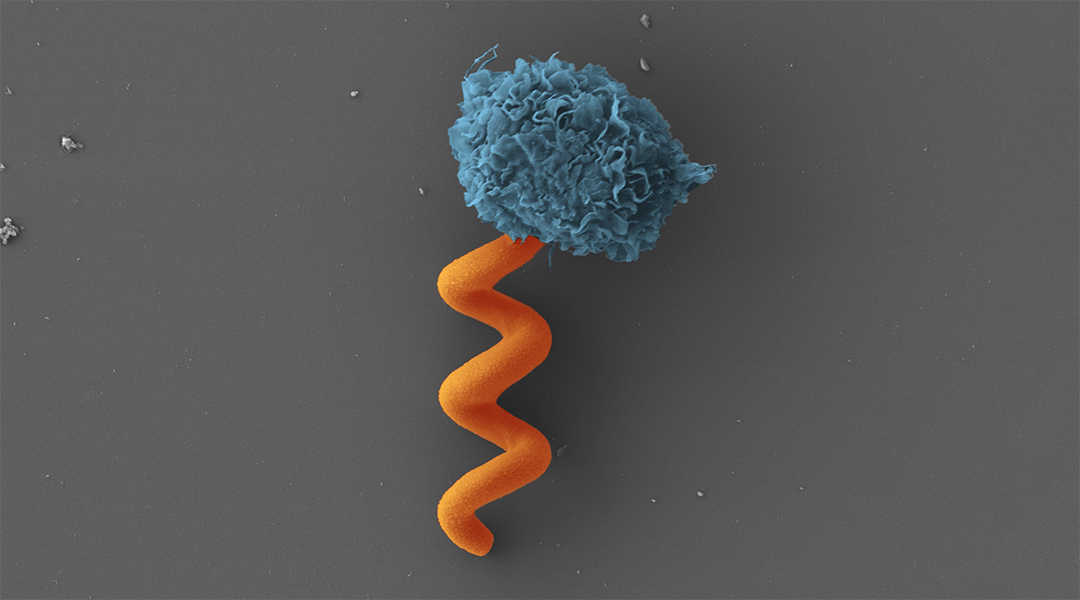
Zwitterionic polymers allow researchers to fabricate drug-carrying microrobots that can operate covertly under the immune system’s radar.
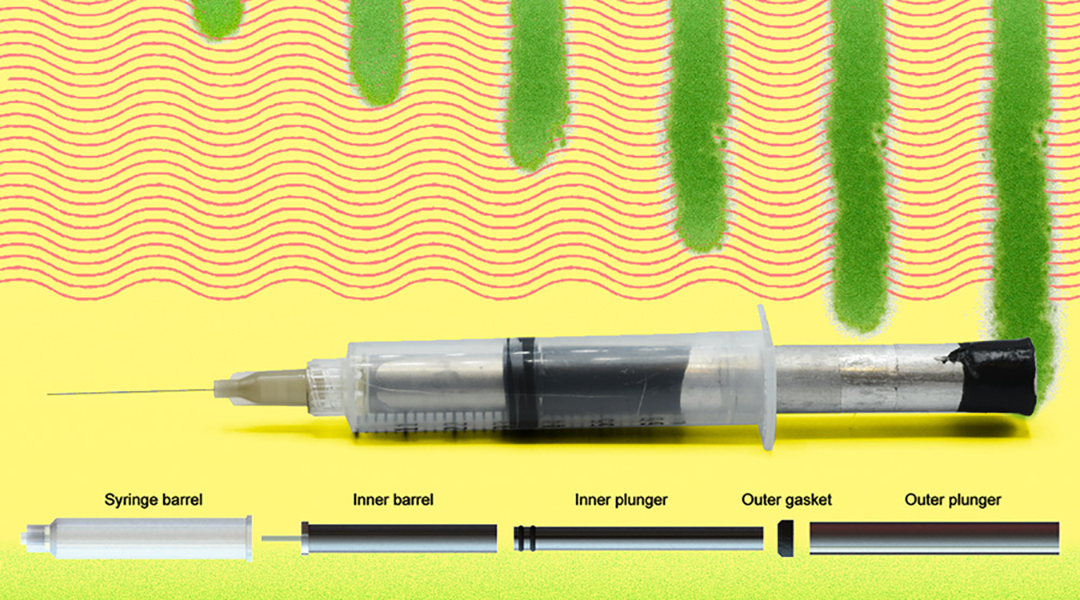
Researchers have designed a simple, low-cost device for subcutaneous injection of viscous formulations.
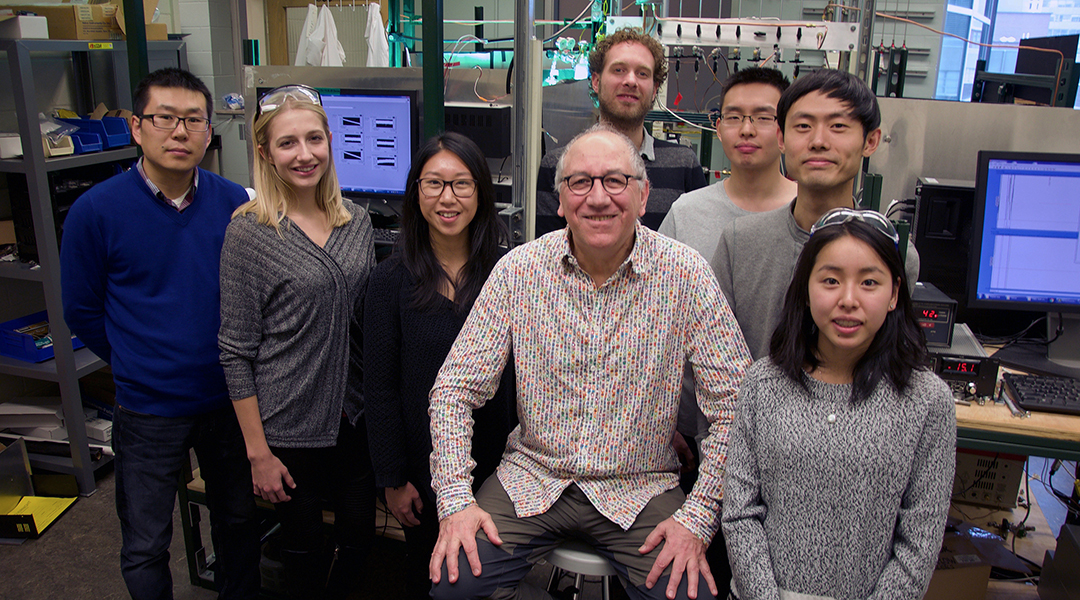
To celebrate his upcoming 77th birthday, we reached out to nanochemist and long-time ASN contributor, Geoffery Ozin, to discuss his colorful career, current projects, and plans for the future.
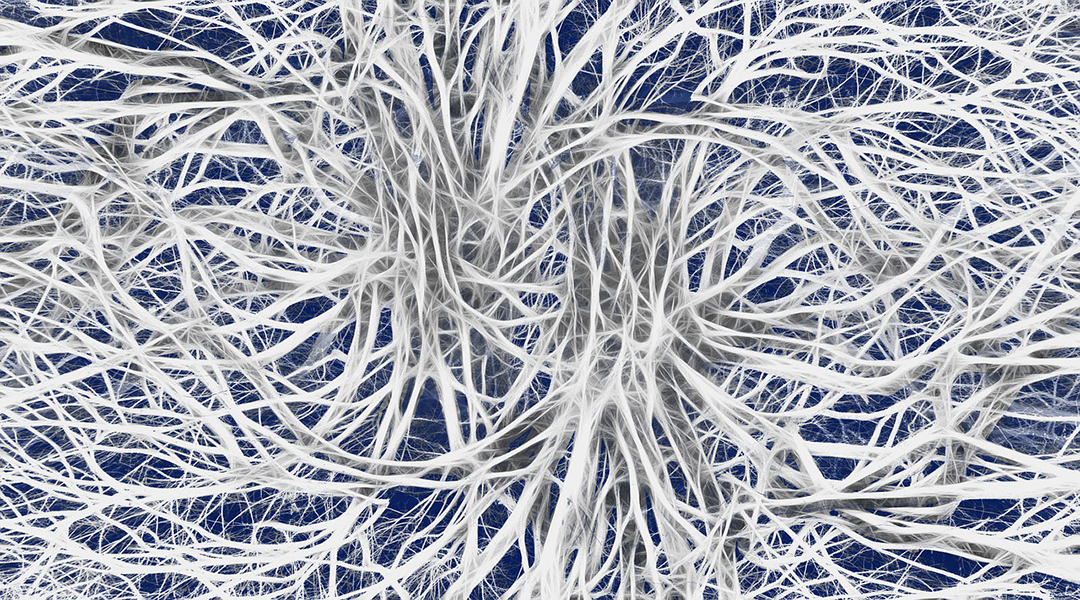
Scientists have found a way to repair damaged peripheral nerves using engineered biomaterials that better support platelets.
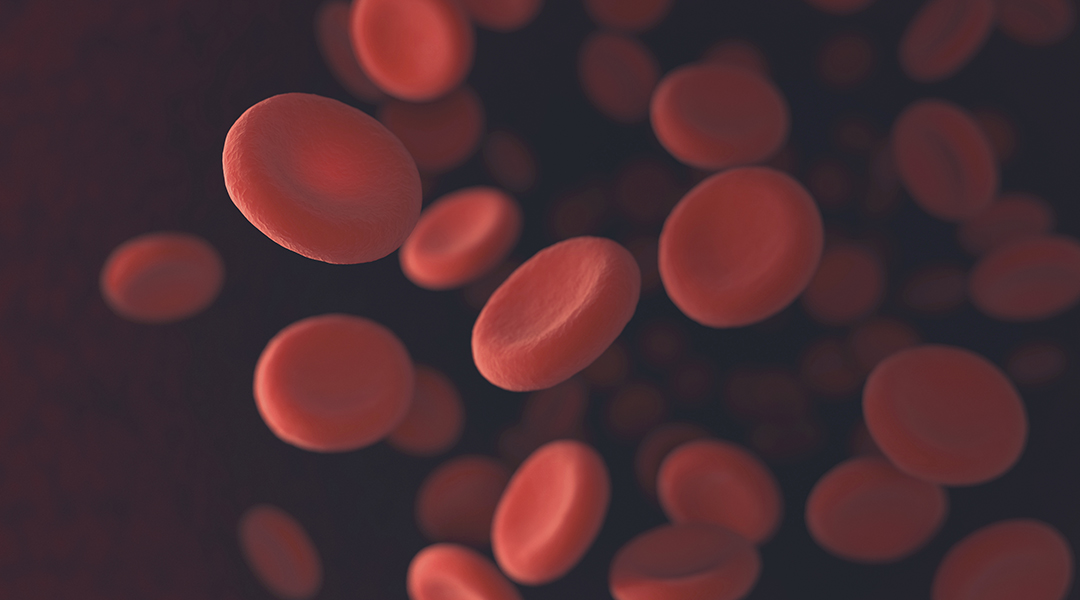
Microfluidic oxygenators provide support to patients with low blood oxygen levels during respiratory distress, and advancements in technology are making them more portable and user-friendly.
 New theory suggests gravity is not a fundamental force
 French WEST reactor breaks record in nuclear fusion
 Higgs boson may be driving the Universe’s expansion
 Researchers replicate gravitational lensing in the lab
 Water-powered gadgets may be on the horizon thanks to new evaporation-based energy device
 Cold shock from ice baths leads to stronger cells