Researchers from the Australian National Fabrication Facility, Monash University, and the University of Melbourne describe the straightforward preparation of black gold, a material of promising optical properties.
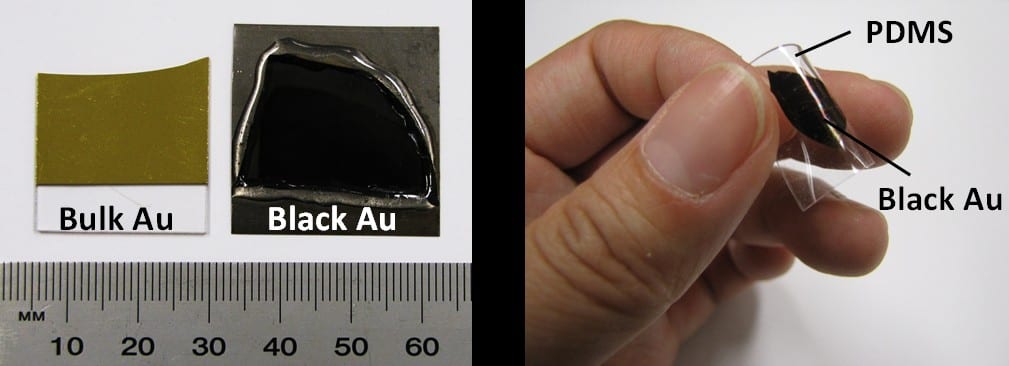

Researchers from the Australian National Fabrication Facility, Monash University, and the University of Melbourne describe the straightforward preparation of black gold, a material of promising optical properties.
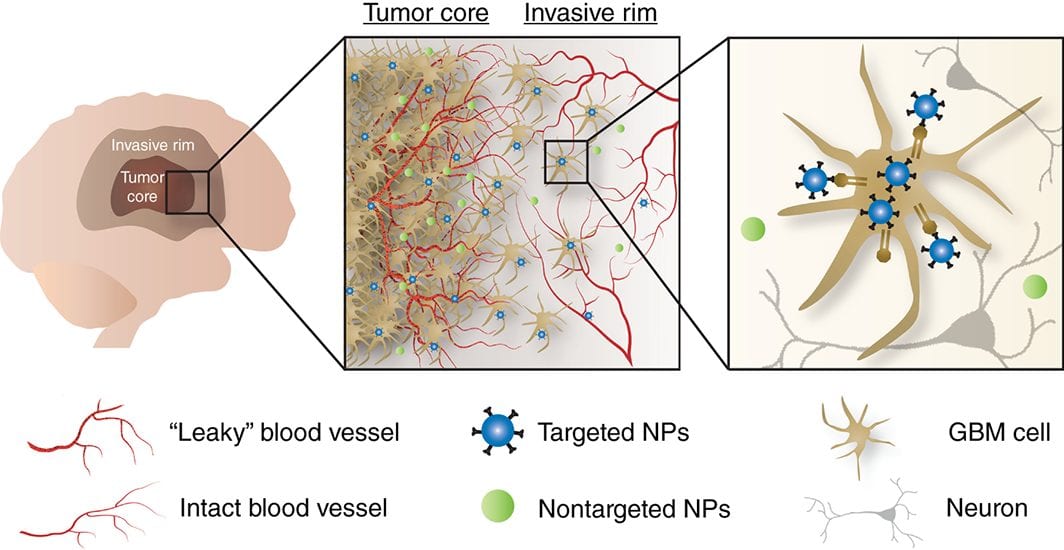
In an effort to overcome barriers to the treatment of glioblastoma (GBM), targeted nanotherapeutics have emerged as promising drug delivery systems with the potential to improve pharmacokinetic profiles and therapeutic efficacy.
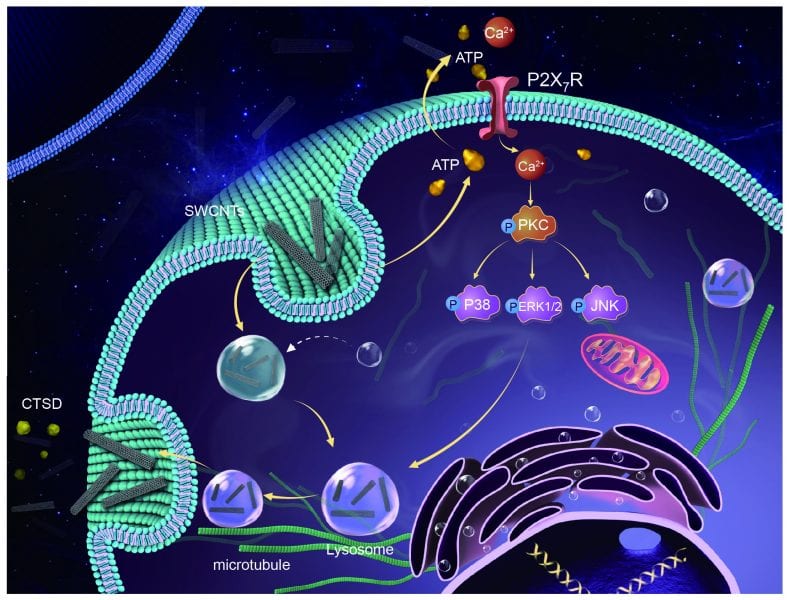
To design nanoproducts with improved therapeutic efficiency and controlled toxicity, we need to understand the mechanisms of cellular uptake and exocytosis of nanoparticles.
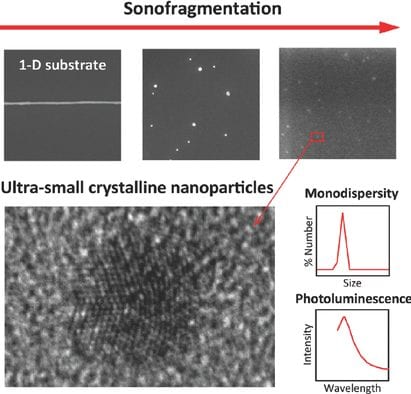
Researchers from the Massachusetts Institute of Technology, USA have introduced a simple strategy for making nanoparticles by the sonofragmentation of high‐aspect‐ratio 1D substrates.
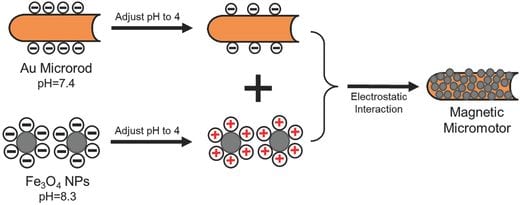
Magnetically steerable, acid-resistant micromotors are developed that can be fabricated by electrostatic attraction between magnetite nanoparticles and gold microrods at pH ≈ 4.
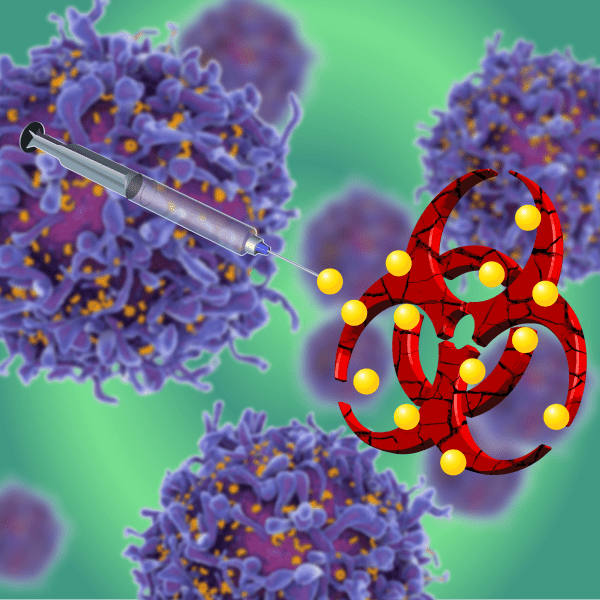
Nano- and micro-particulate vaccine delivery systems minimize side effects, trigger targeted and robust immune responses, and protect and stabilize vaccine components
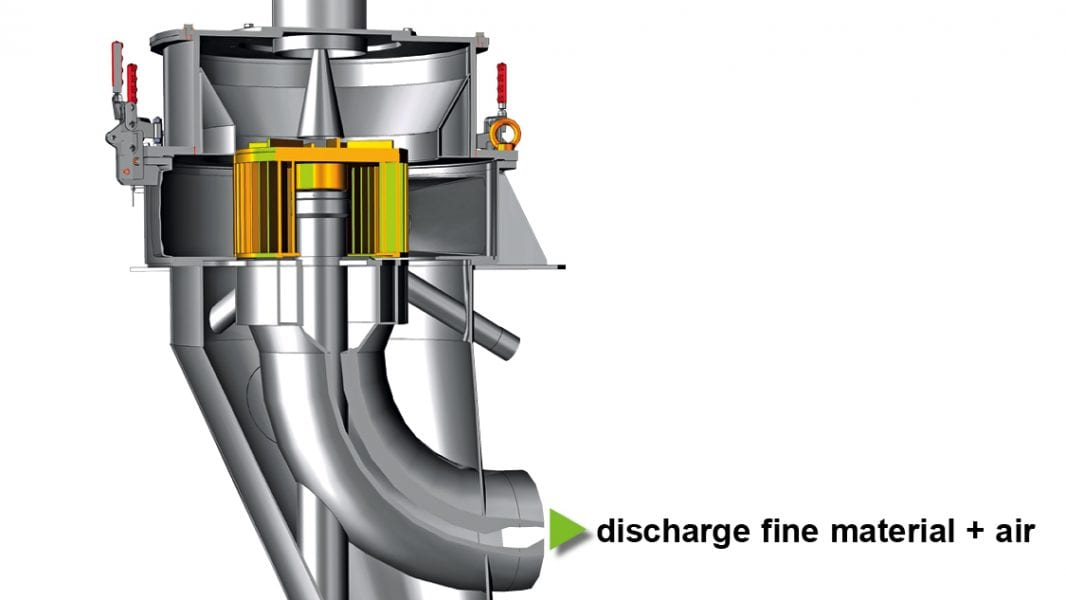
The new design of an air classifier allows a fineness range from 200 μm to 2 μm.
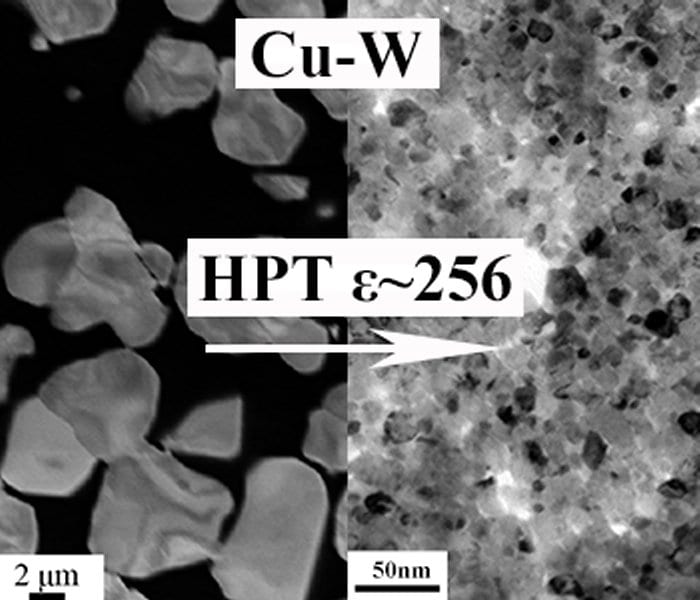
Bulk nanostructured materials have been the subject of extensive research over the past couple of decades due to their extraordinary mechanical and functional properties.
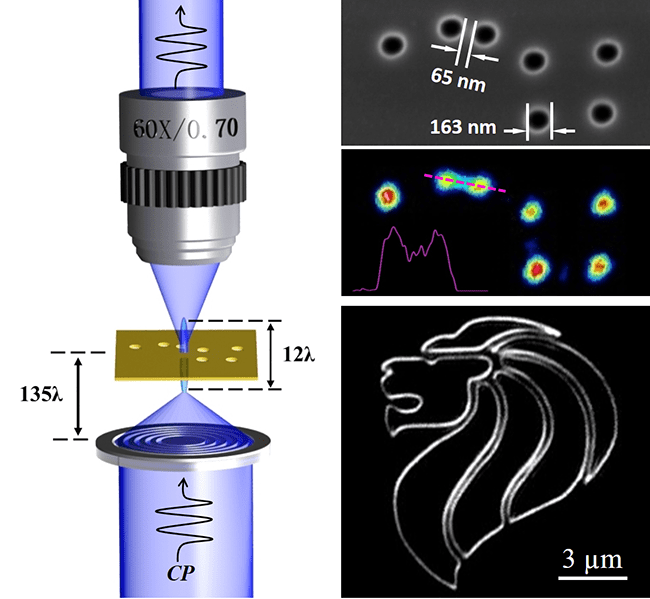
Minghui Hong and colleagues report super-critical-lens (SCL) optical label‐free microscopy, which clearly distinguishes a pattern with a feature size of 65 nm in air and with a 55 μm working distance.
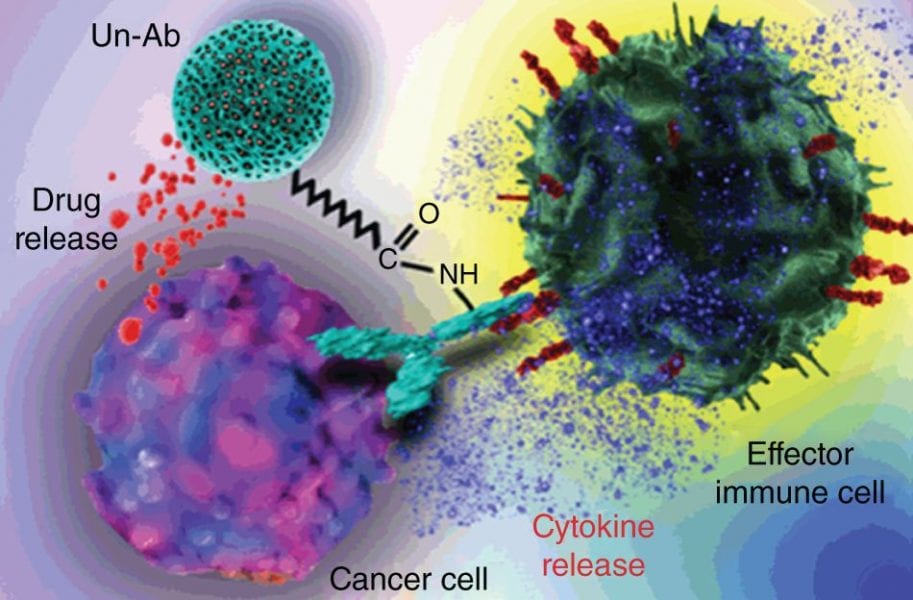
Researchers are applying nanotechnology to cancer immunotherapy toward the development of nanocarriers for delivery of cancer vaccines and chemo-immunotherapies.
 Micron-sized hidden dimensions could solve two of physics’ deepest puzzles
 Turning Periods into Power: Menstrual Blood a Valuable Resource for Medical Diagnostics
 Surfactants Steer Supraparticle Structure
 Bone loss in obesity traced to gut microbiota
 Edible electronics realize safe, complex monitoring devices
 Quantum Anomalies in Condensed Matter: From Theoretical Peculiarities to Tangible Science