Complex environments require soft robots to adapt to minimal spaces without sacrificing the ability to complete dexterous tasks.
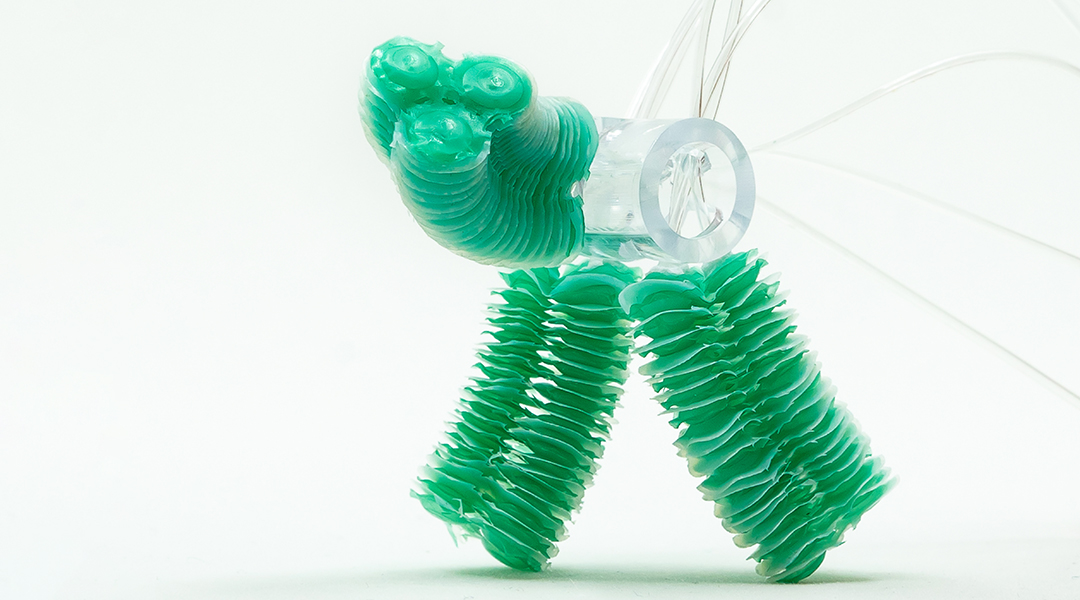

Complex environments require soft robots to adapt to minimal spaces without sacrificing the ability to complete dexterous tasks.
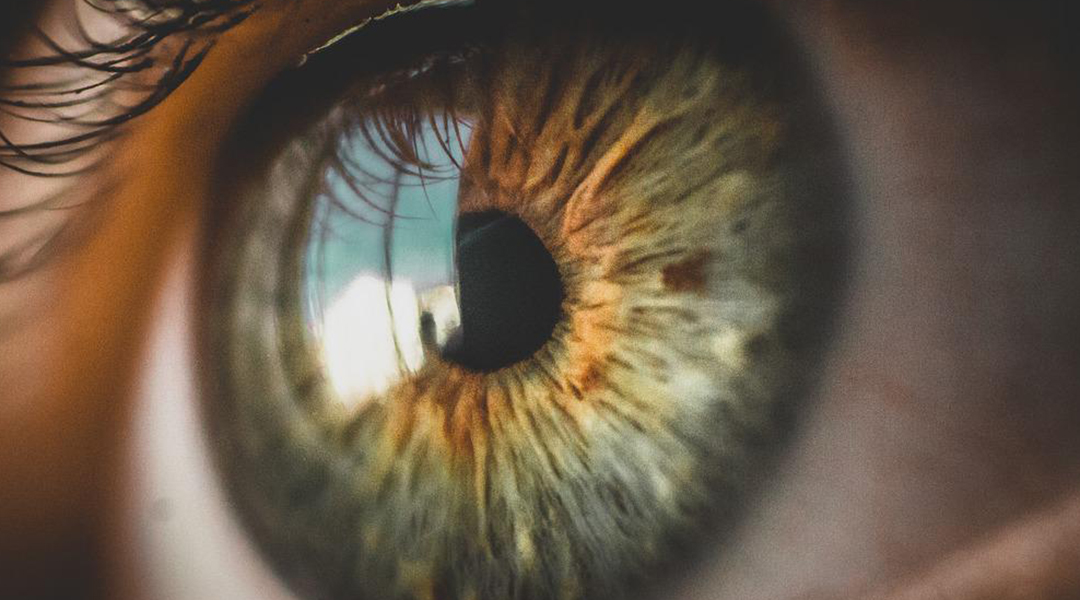
Forcing robots to see through a human’s eyes is limiting. Smart robotic eyes that can think for themselves could be the answer.

A smart electronic nose that mimics the human nose with its millions of receptor cells and ability to differentiate smells.
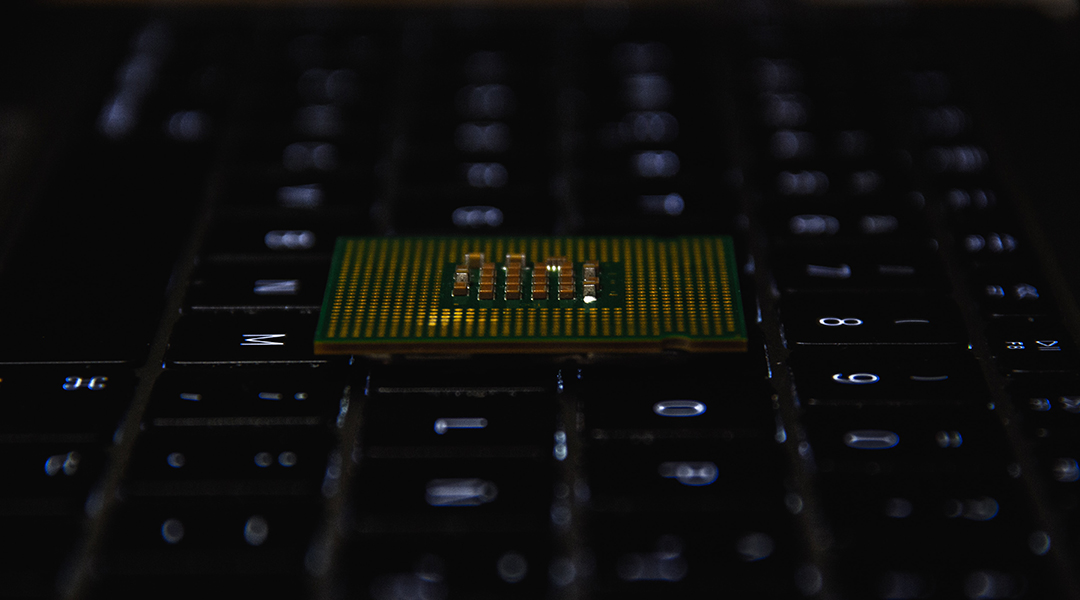
An in-memory computing prototype provides a promising solution for edge computing systems to implement continual learning.
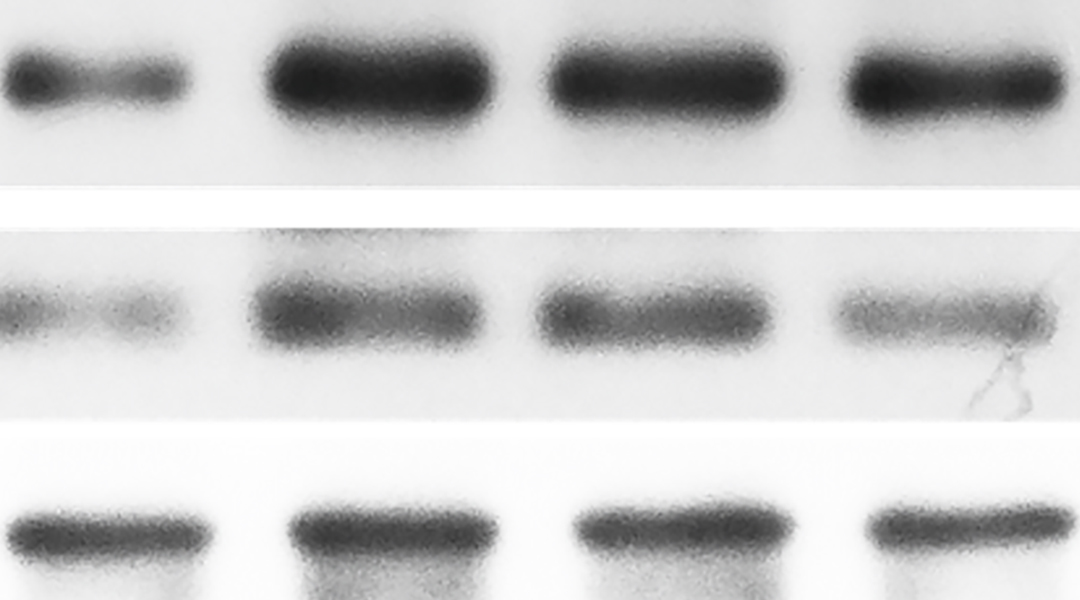
Deepfakes in the biomedical literature are coming, if they aren’t here already.

A miniaturized, tetherless needle offers a safe means of performing surgery, treating cancer, and performing diagnostic tests.
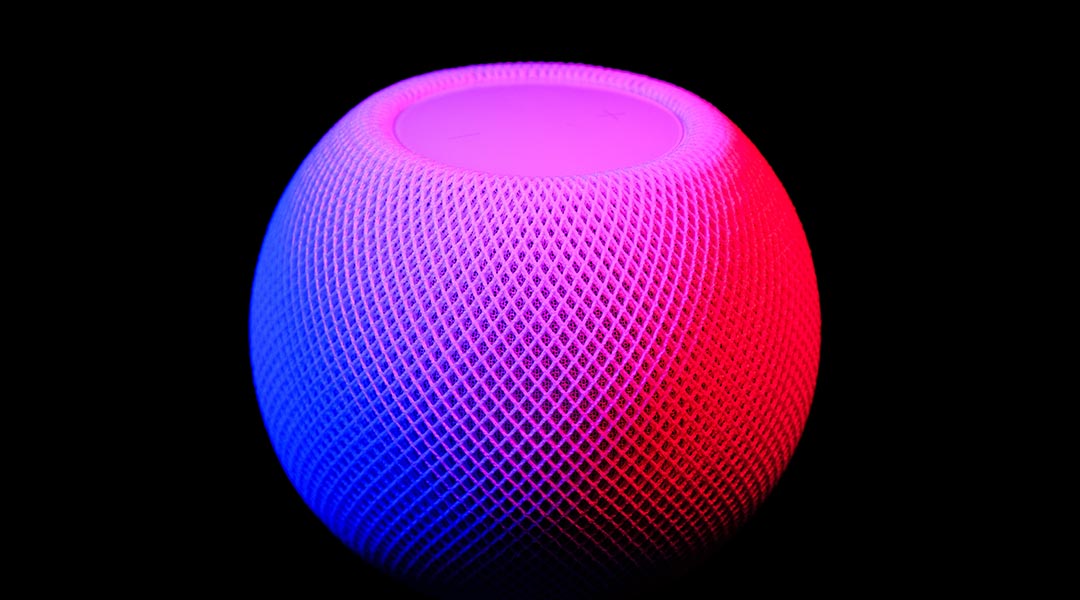
Study participants were more comfortable with voice-based AI companions compared to robots that act and look like humans.

Researchers calculate the automation risk of almost 1000 existing occupations and provide alternatives based on skill set.
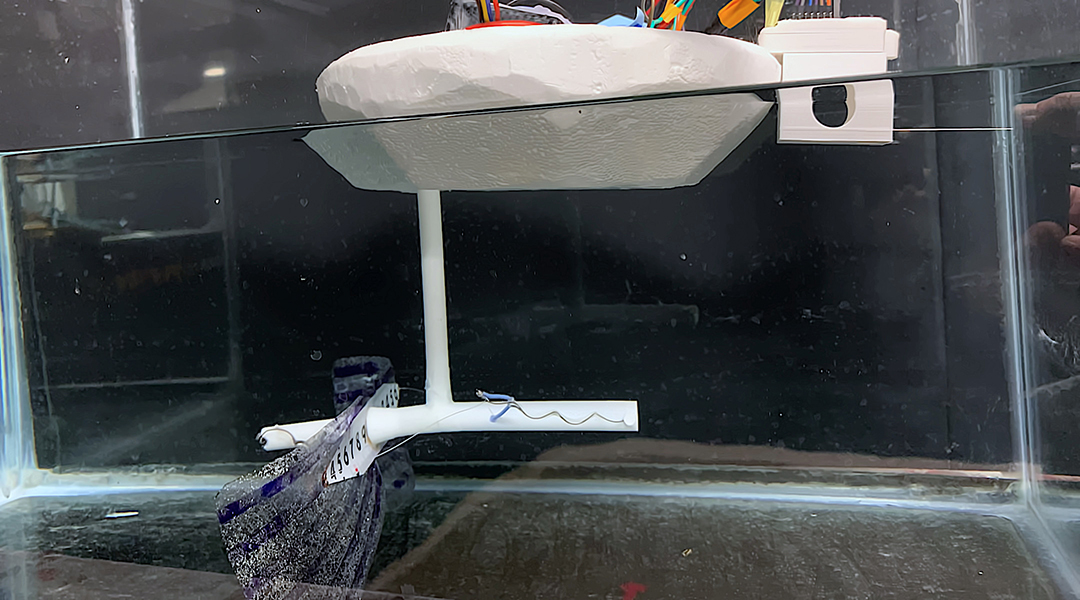
A robotic swimmer that mimics the movement of octopuses could help researchers better monitor aquatic environments remotely and in real time.
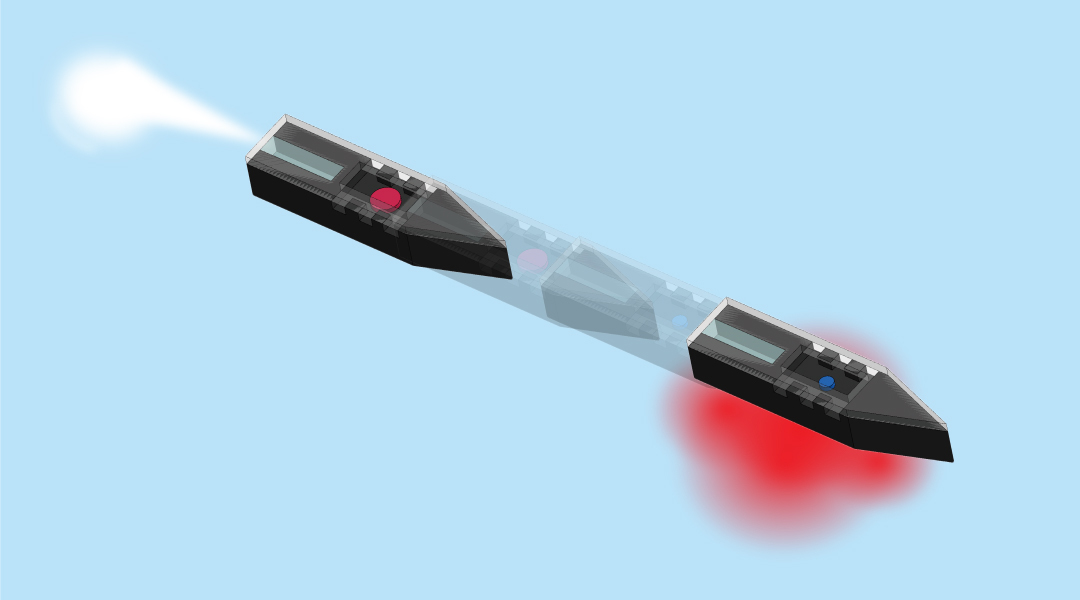
Using stimuli-responsive hydrogels with regularly arranged colloidal particles, researchers create color-changing microrobots that can freely explore and gather information.
 Micron-sized hidden dimensions could solve two of physics’ deepest puzzles
 Turning Periods into Power: Menstrual Blood a Valuable Resource for Medical Diagnostics
 Surfactants Steer Supraparticle Structure
 Bone loss in obesity traced to gut microbiota
 Edible electronics realize safe, complex monitoring devices
 Fermilab Confirms Muon g-2 Measurements