Mathematical modeling allows for the successful development of a high-energy, nutrient-dense food product for emergency aid.
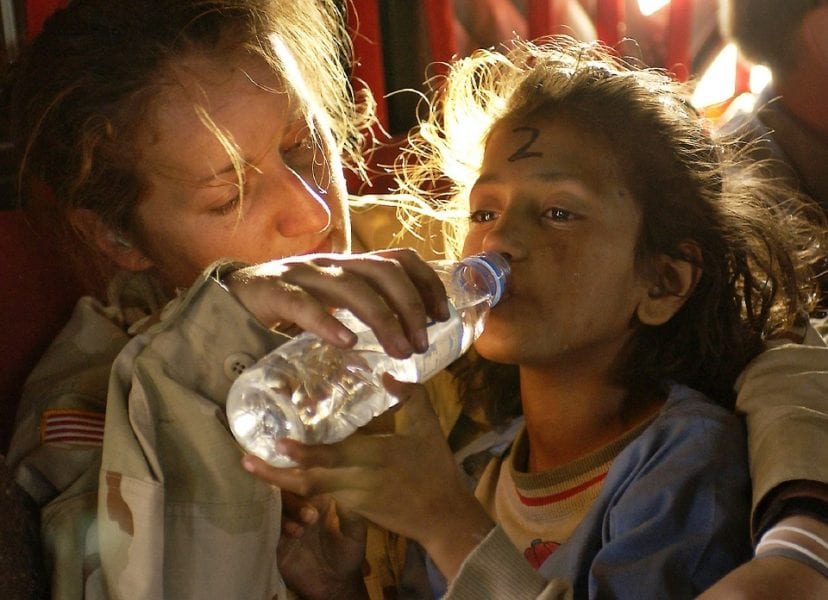

Mathematical modeling allows for the successful development of a high-energy, nutrient-dense food product for emergency aid.
![Nanostructured Water Treatment Membranes Based on Thermotropic Liquid Crystals [Video]](https://www.advancedsciencenews.com/wp-content/uploads/2018/02/advs20170405_ASN_image.png)
A team of researchers design sub-nanoporous, selective membranes for water treatment using self-assembled liquid crystal (LC) monomers. The membranes show salt rejection ability, ion selectivity, and excellent water permeability.

Low temperature plasmas (LTPs) show promise as efficient green technologies for enhancing productivity while maintaining good food quality and safety in the many steps of the food cycle. As a result, applications of LTPs in agriculture have led to creation of a new, rapidly developing field called “plasma agriculture.”

Ecological shifts and regime changes driven by slow ecological processes can only be revealed by long-term monitoring and analysis.
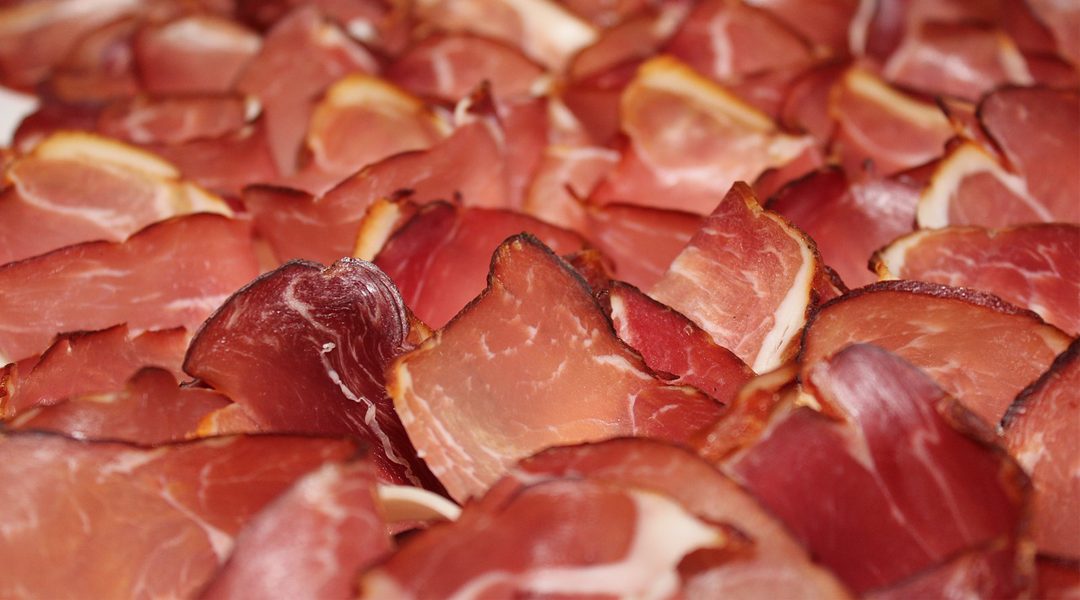
A team of researchers found an innovative way of curing ham by using plasma-treated water as an alternative to chemical curing solutions.
Resolving these scale-dependent processes is important for predicting, preventing, or mitigating environmental changes that may influence patterns of surface water chemistry within river systems.
A team of researchers from Macquarie University, the University of Queensland and Sugar Research Australia has undertaken a comprehensive review of scientific studies on how climate change impacts sugarcane production
Historic landfills are frequently unlined with no leachate management and inadequate records of the waste they contain, which means there is a very limited understanding of the environmental risk posed if the waste erodes into estuarine or coastal waters.
Dr. Polvi and Dr. Sarneel point to the study of ecosystem engineers being an expanding field that is gaining importance, in particular with the need to understand the impacts of invasive species and river restoration.
A call to develop interaction-aware risk models is presented, and the need for adjustments of the flood risk assessment procedures in the implementation of the European Flood Directive is highlighted.

 Micron-sized hidden dimensions could solve two of physics’ deepest puzzles
 Turning Periods into Power: Menstrual Blood a Valuable Resource for Medical Diagnostics
 Surfactants Steer Supraparticle Structure
 Bone loss in obesity traced to gut microbiota
 Edible electronics realize safe, complex monitoring devices
 Fermilab Confirms Muon g-2 Measurements