Exploiting defects in 2D hexagonal boron nitride to create reliable single photons, researchers have upped their quantum encryption game.
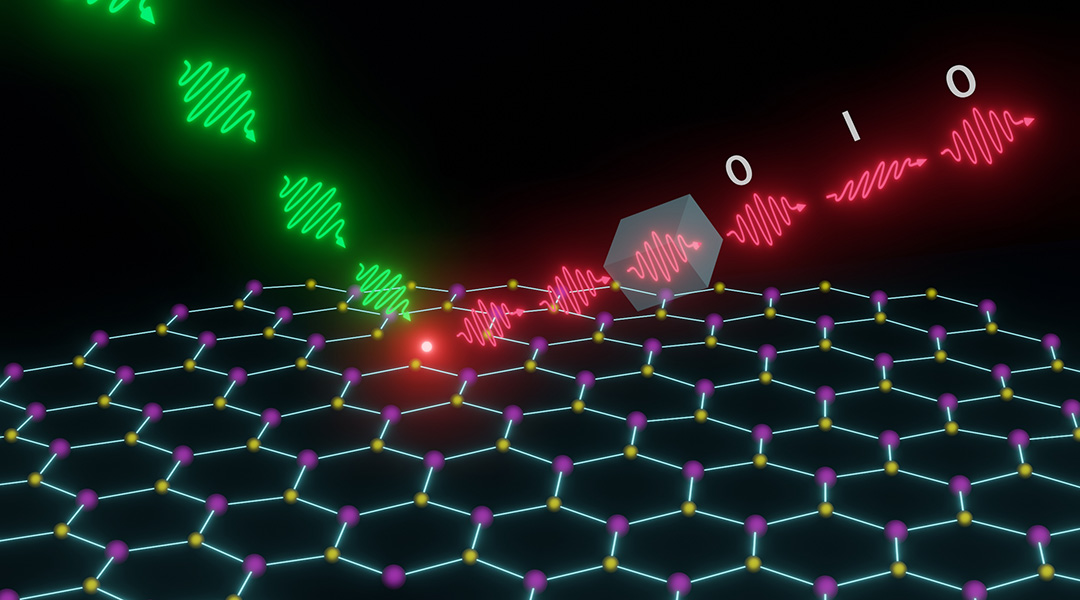

Exploiting defects in 2D hexagonal boron nitride to create reliable single photons, researchers have upped their quantum encryption game.
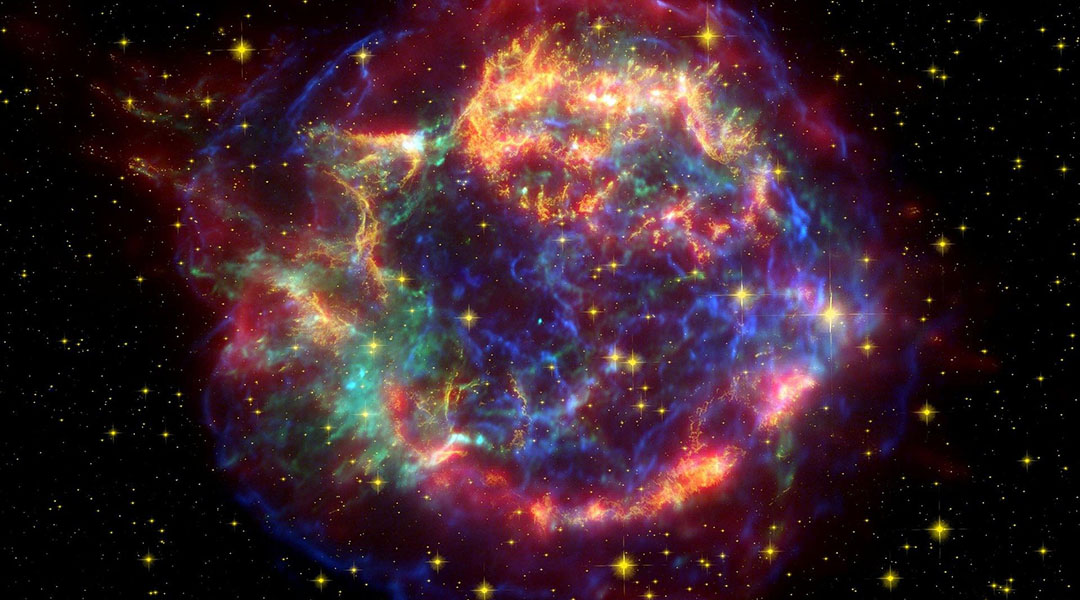
Researchers have found that supernovae explosions are preceded by observable radiation whose features should make it possible to distinguish the radiation of a future supernova from other light sources in space.

Researchers at the Southern University of Science and Technology in China ask if gravitons can be promising candidates for dark matter components.

Cold ytterbium atoms were used to test a fundamental theory which describes phenomena in solids such as magnetism and superconductivity.
A new experimental technique could push the capabilities of particle accelerators in exploring the subatomic world.
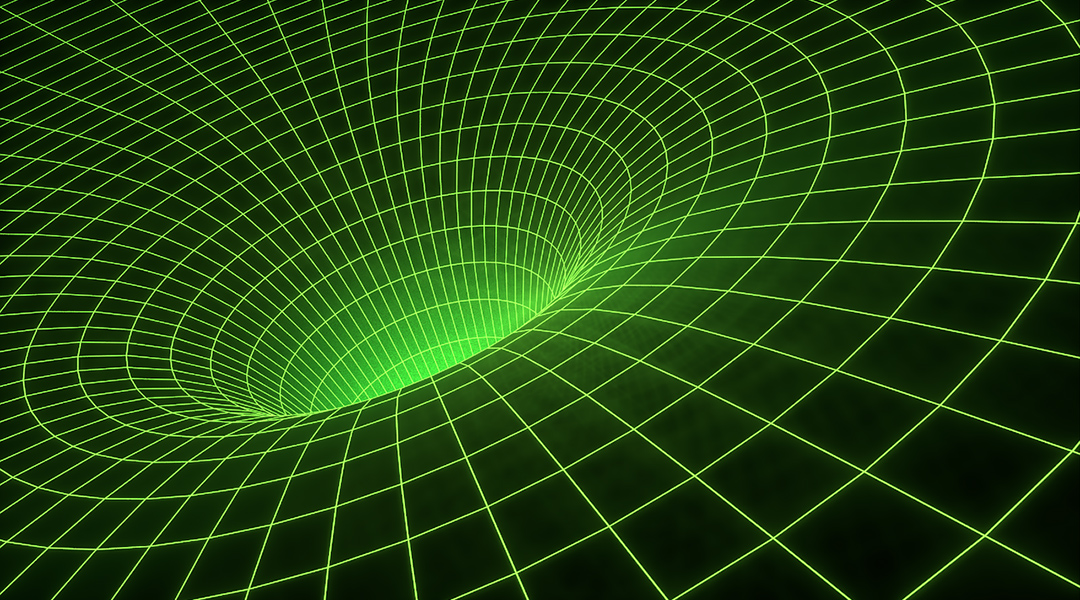
To address unknown quantum gravitational effects in the early universe, physicists have recruited string theory to help solve the problem.

Scientists hope that a new machine learning algorithm could one day be used to automate the discovery of new physical laws.

More than 100 years on after Einstein’s 1921 Nobel Prize, some confusion remains around the committee’s reasons for omitting relativity.
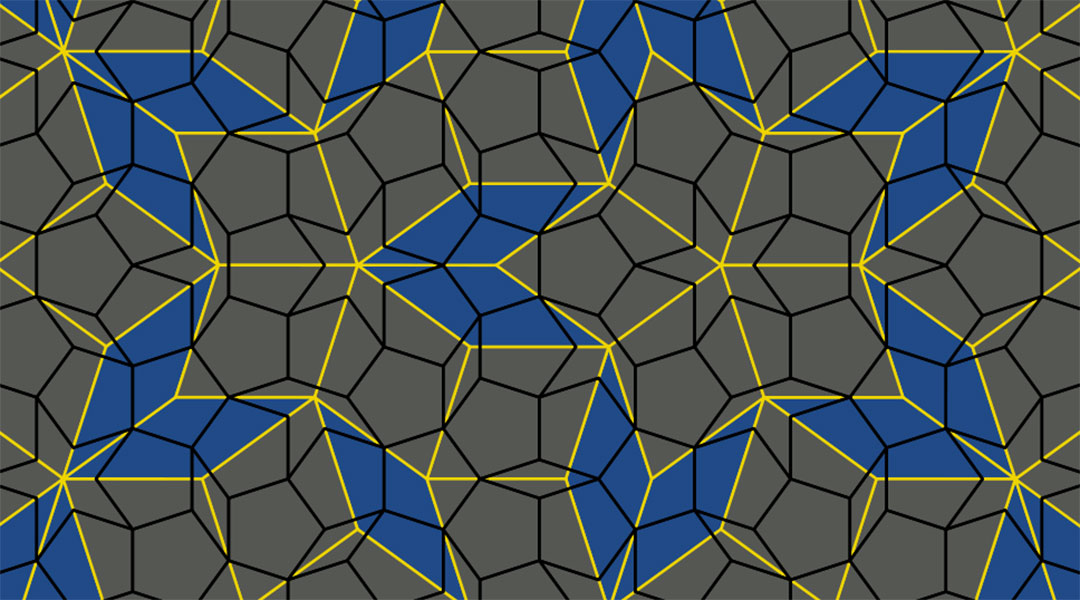
Extra time dimensions provide scientists with a new way to think about phases of matter for more stable qubits and robust quantum computers.

The LUX-ZEPLIN detector is now operational and ready to capture weakly interacting particles believed to be the constituents of dark matter.

 Micron-sized hidden dimensions could solve two of physics’ deepest puzzles
 Turning Periods into Power: Menstrual Blood a Valuable Resource for Medical Diagnostics
 Surfactants Steer Supraparticle Structure
 Bone loss in obesity traced to gut microbiota
 Edible electronics realize safe, complex monitoring devices
 Fermilab Confirms Muon g-2 Measurements