A charged microneedle patch for pain-free delivery of anesthetics could replace anxiety-inducing needles in dental work.
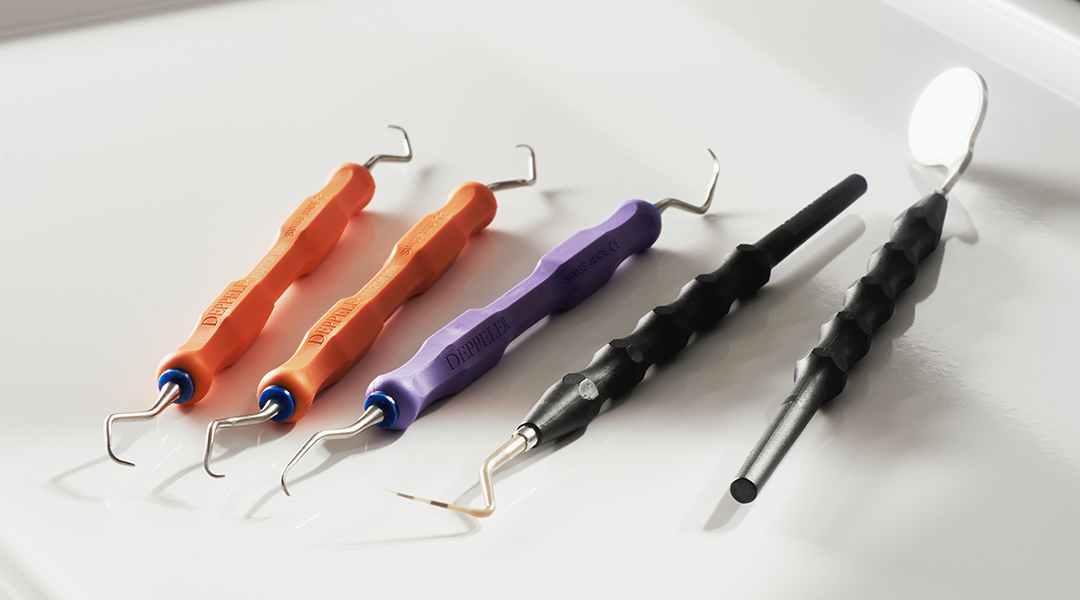

A charged microneedle patch for pain-free delivery of anesthetics could replace anxiety-inducing needles in dental work.
Computer-aided drug discovery looks to neural networks that can better predict chemical properties to streamline the search for new therapeutics.
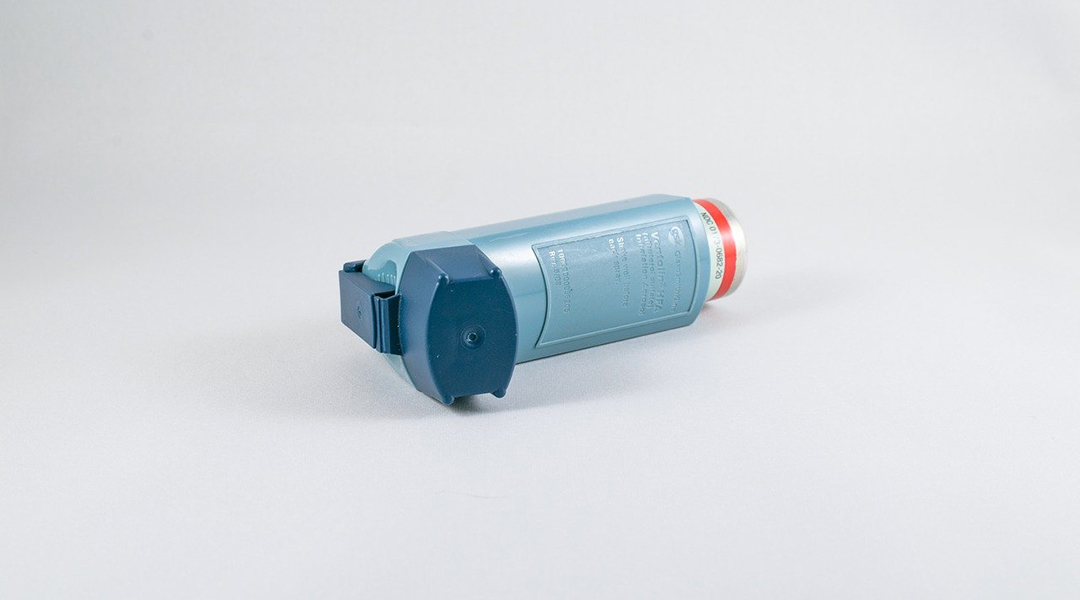
A new technology designed to target allergic asthma could provide more efficient means of delivery and treatment straight to the source of inflammation.
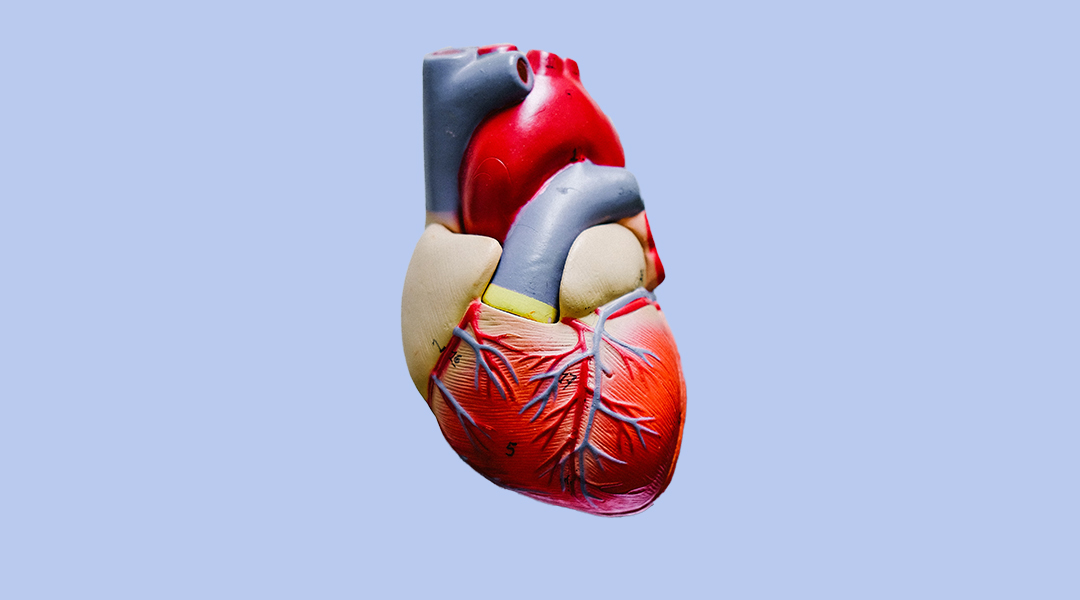
Researchers have created an improved material for arterial stents, which could alleviate the symptoms of coronary artery disease and reduce the risk of heart attack in patients.
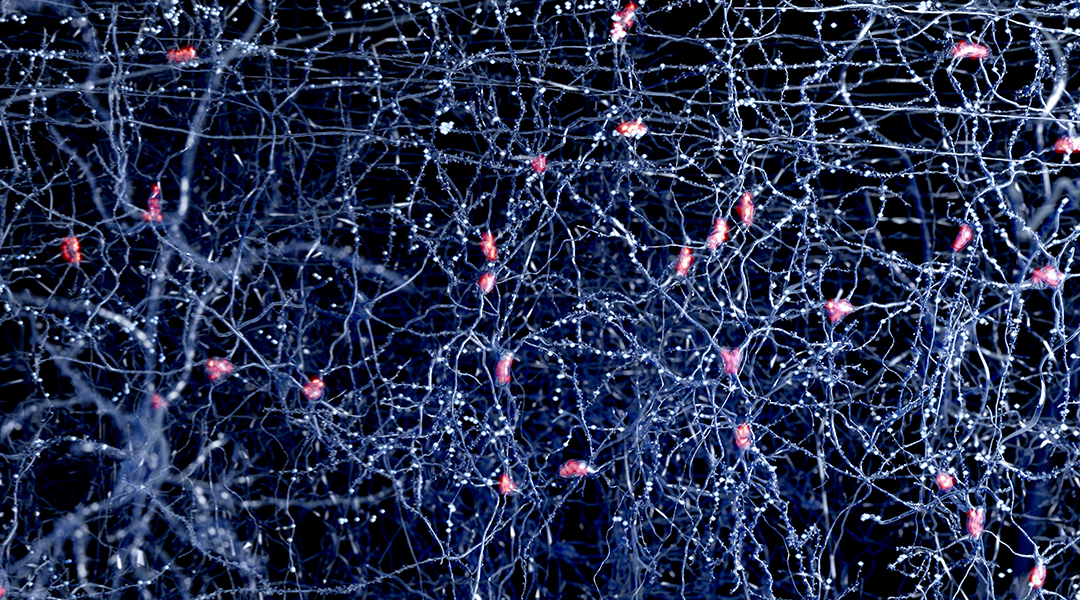
A new type of hydrogel could radically transform a novel stem cell treatment for Parkinson’s disease.
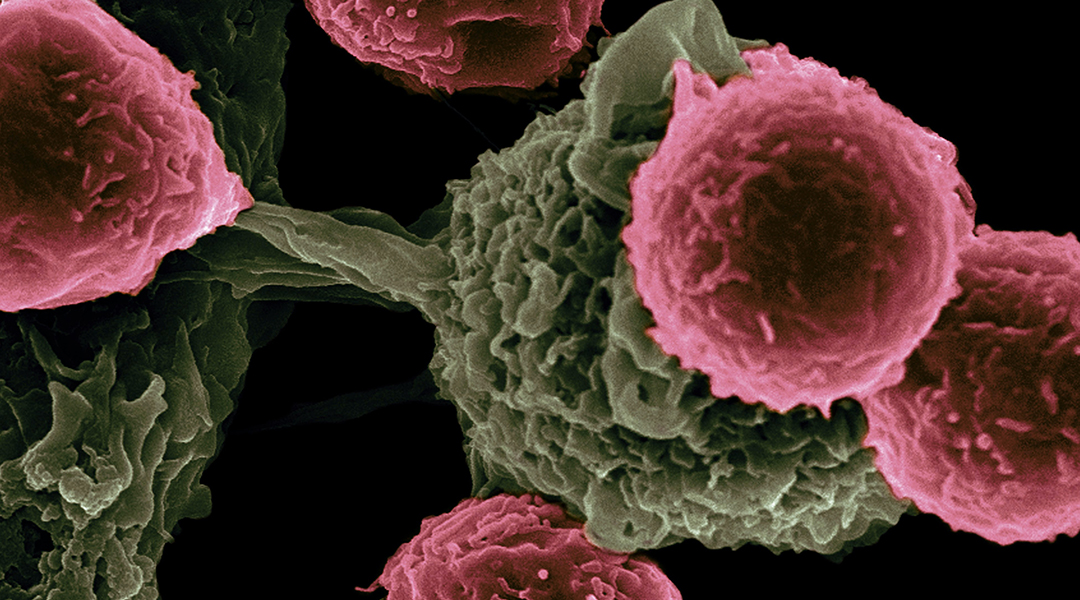
Nanovesicles that directly attack tumors and promote sustained tumor killing by resident T cells could enhance the effectiveness of tumor immunotherapy.
“Brain-on-a-chip” shows minute-by-minute how the blood–brain barrier reacts to high levels of inflammation.
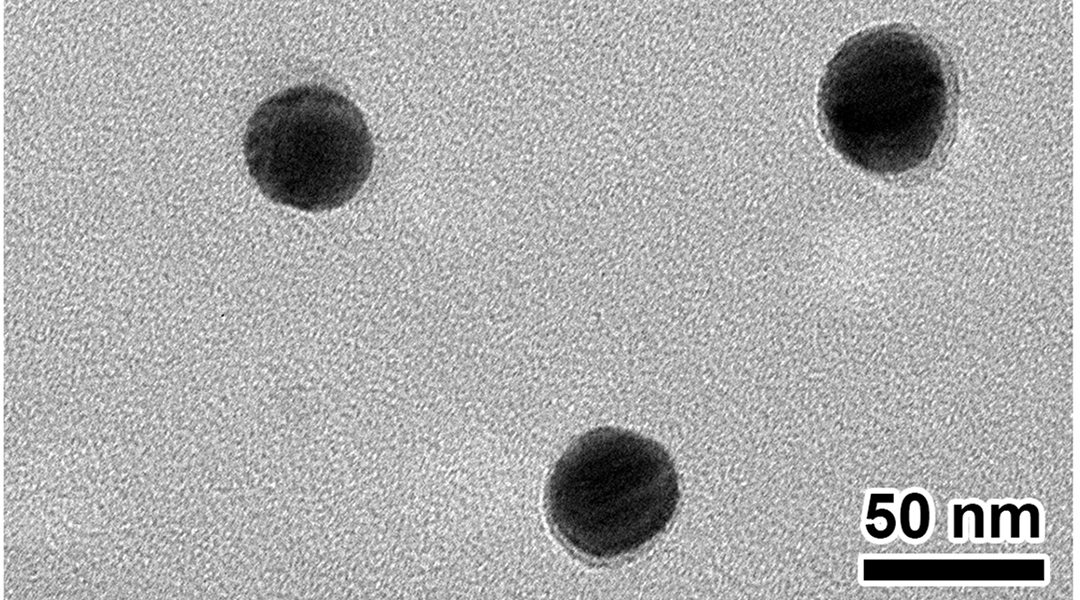
Scientists are looking to improve the outlook for patients with bladder cancer by advancing a laser-based photothermal therapy.
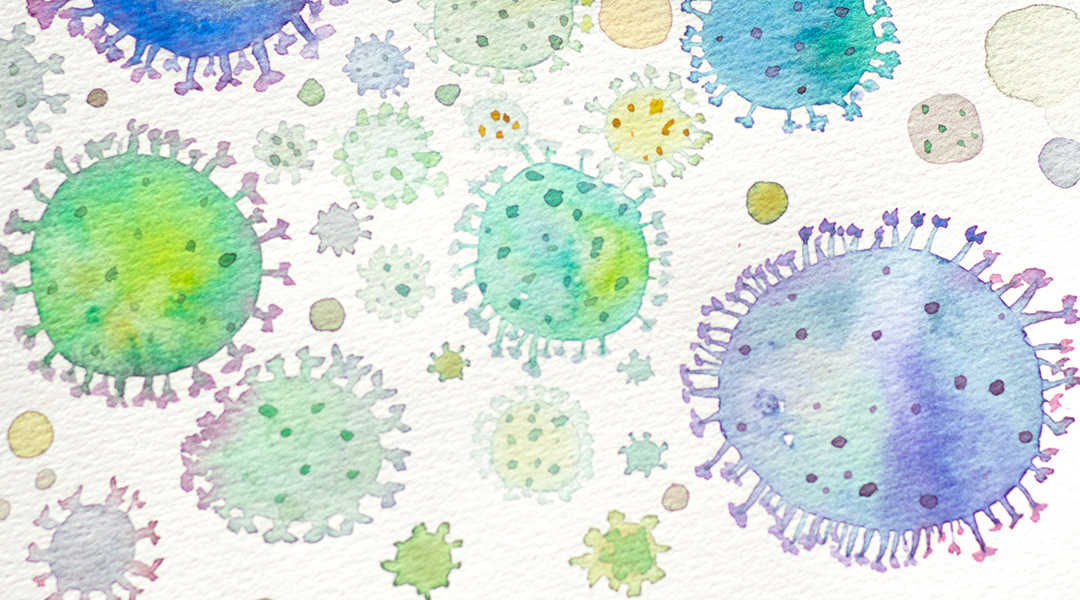
A polymer composite spray was shown to not only limit SARS-CoV-2 infection, but also hinders transmission in this proof-of-concept study.
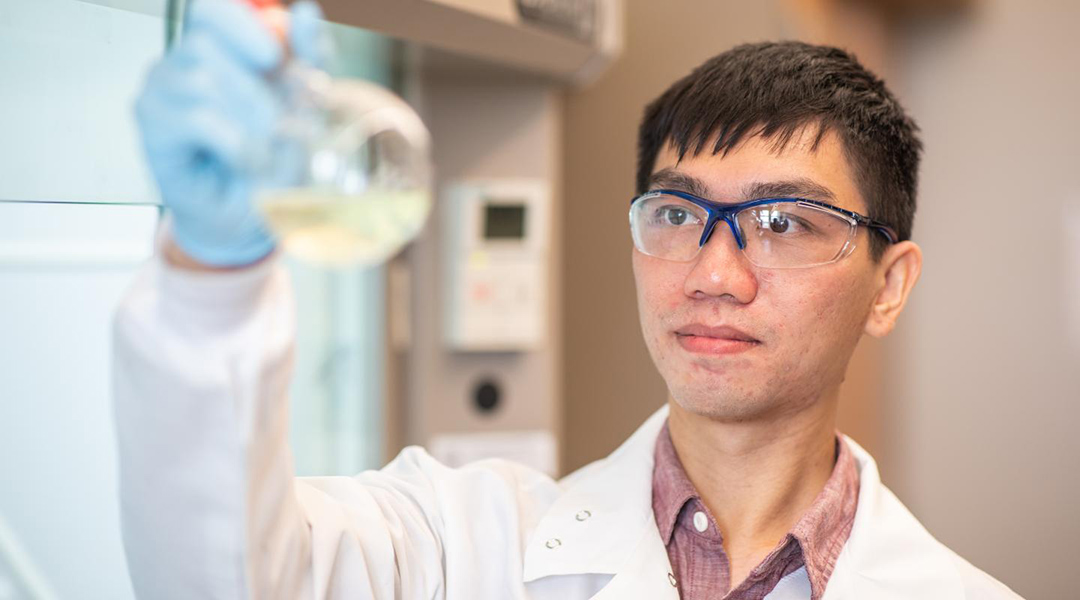
A new class of hydrogels leverage light for better drug delivery and regenerative medicine treatment.
 New theory suggests gravity is not a fundamental force
 Higgs boson may be driving the Universe’s expansion
 Water-powered gadgets may be on the horizon thanks to new evaporation-based energy device
 Scientists discover a new class of antibiotics
 Micron-sized hidden dimensions could solve two of physics’ deepest puzzles
 A new type of dark matter could explain mysterious radiation from the Milky Way’s core