Researchers fabricate controllable scaffolds from functionalised Kappa carrageenan, a naturally occurring polymer.
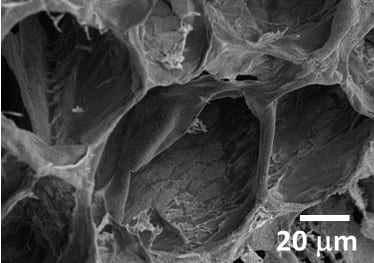

Researchers fabricate controllable scaffolds from functionalised Kappa carrageenan, a naturally occurring polymer.

Reviewing the development of tissue adhesives and sealants and examining the latest advances.

It has been shown that resilin-like polypeptides are a potential material for cardiovascular tissue engineering.
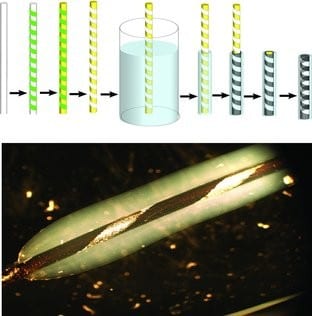
Scientists have developed a novel nerve construct: artificial hybrid conducting polymer-hydrogel conduits are used to repair peripheral nerve gaps.
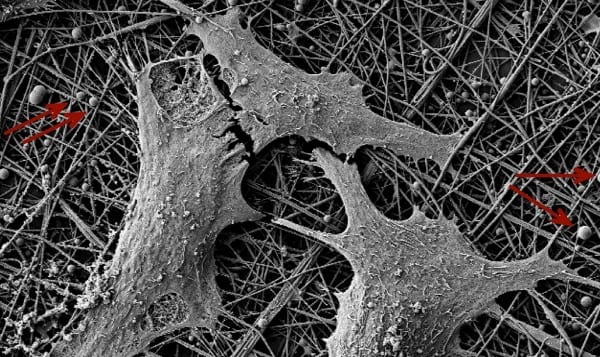
A research team have loaded microgels onto a nanofiber scaffold to combat bacterial infection during tissue regeneration procedures.
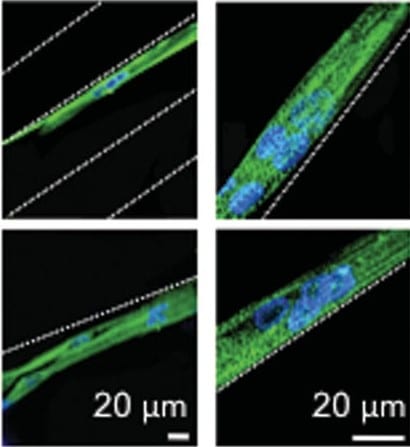
Researchers have engineered a protein biomaterial to generate mimics of human skeletal muscle to study the effect of injury and disease on this tissue.
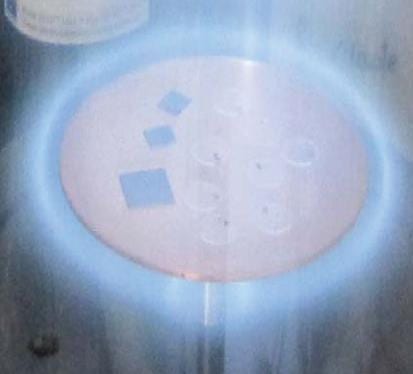
Plasma polymerization technique is used to modify the surface of a biologically inert substrate for the purpose of enhancing cell adhesion.
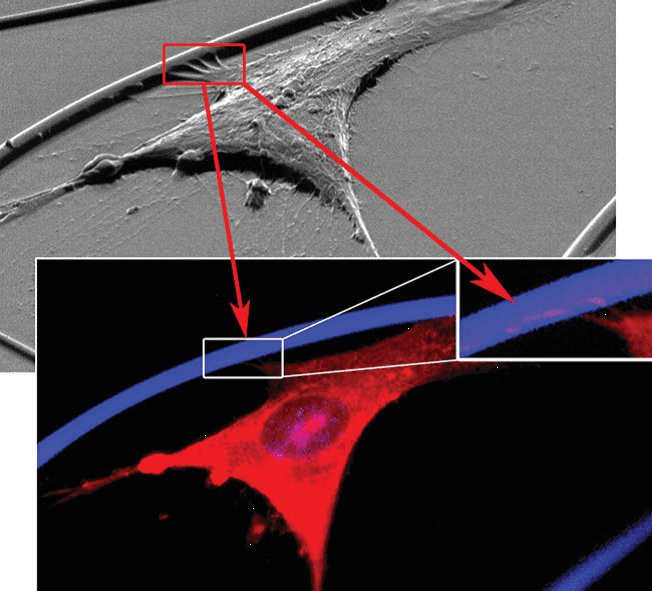
Researchers from Imperial College, London, have now developed a series of modified g-PGA polyester scaffolds for tissue engineering applications.
Get free access to the best biomedical materials papers, including work on tissue engineering, drug delivery, bioimaging, and more.

Spider silk shows intriguing properties for cell culture. Now, researchers try to find the ideal scaffolds for applications in the field of biomedical research and regenerative medicine.

 Micron-sized hidden dimensions could solve two of physics’ deepest puzzles
 Turning Periods into Power: Menstrual Blood a Valuable Resource for Medical Diagnostics
 Bone loss in obesity traced to gut microbiota
 Surfactants Steer Supraparticle Structure
 Edible electronics realize safe, complex monitoring devices
 Fermilab Confirms Muon g-2 Measurements