“Man-made” extracellular vesicle-mimetic nanovesicles developed with characteristics similar to those of extracellular vesicles.
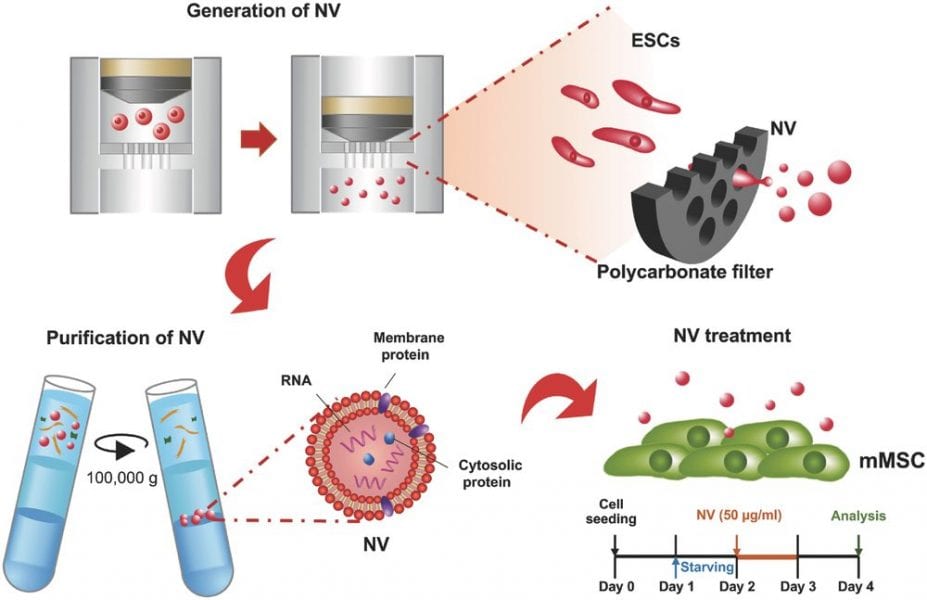

“Man-made” extracellular vesicle-mimetic nanovesicles developed with characteristics similar to those of extracellular vesicles.
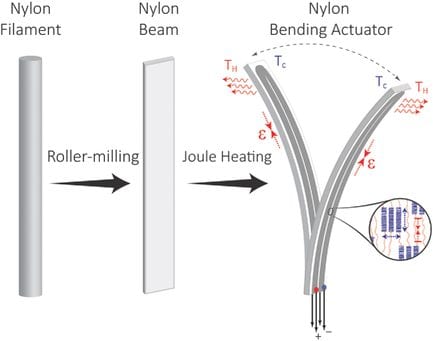
Researchers from MIT present an approach to make artificial muscles with nylon that bend, controllably, in any direction.
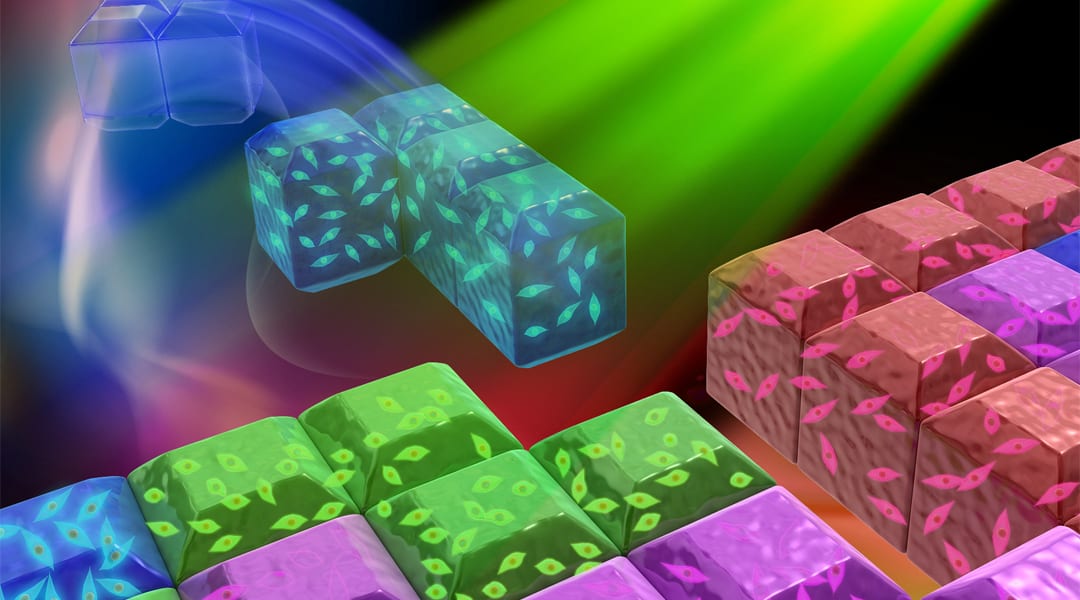
A Tetris-inspired approach to fabricate microscale tissue from hydrogel building blocks affords a non-contact assembly method to build complex and reconfigurable 3D architectures.
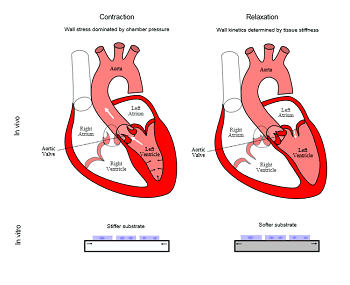
In the heart wall the pressure required to pump blood dominates the biomechanics of the contraction cycle of the heart.
A methacrylated hyaluronic acid scaffold with oriented pores perpendicular to the axial direction by an unidirectional freeze-drying method is reported.
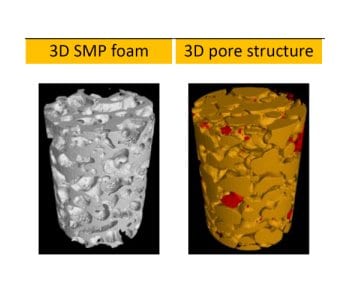
This study expands the potential applications of the SMP foam in tissue engineering.
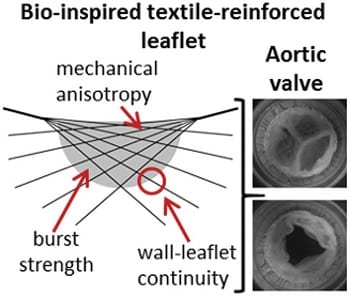
The BioTexValve demonstrates the potential of bio-inspired textile-reinforcement for the fabrication of functional tissue-engineered heart valves for the aortic position.
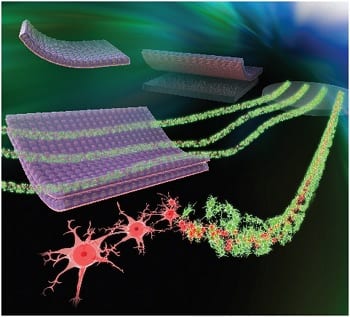
This new tissue engineering approach may be useful to establish a technology for regenerative medicine and drug discovery using the patient’s own neurons.
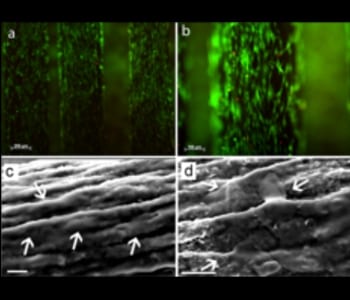
Researchers develop conducting graphene–PLGA fiber electrode that promotes muscle cell growth, and that could stimulate muscle regeneration.
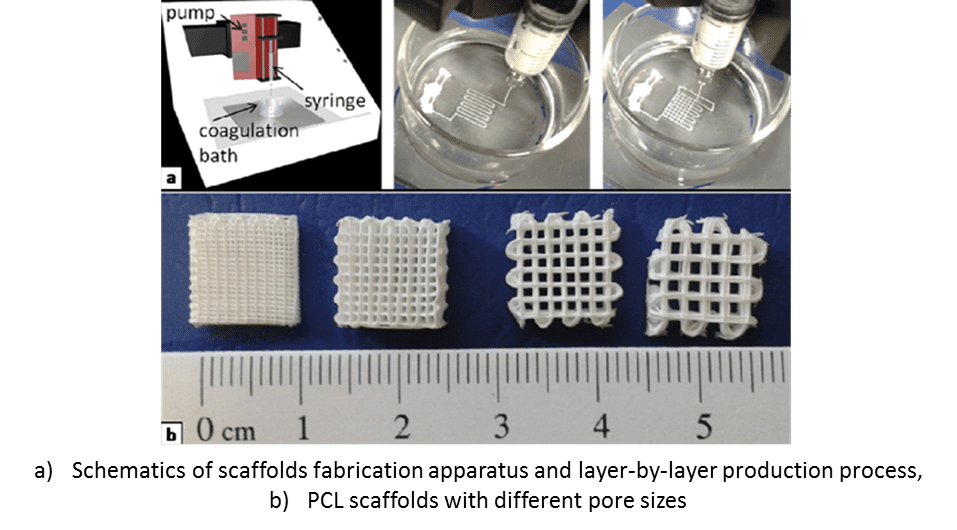
A common goal for tissue engineering has been finding a way to regenerate and repair the inflamed tissues.

 Micron-sized hidden dimensions could solve two of physics’ deepest puzzles
 Turning Periods into Power: Menstrual Blood a Valuable Resource for Medical Diagnostics
 Surfactants Steer Supraparticle Structure
 Bone loss in obesity traced to gut microbiota
 Edible electronics realize safe, complex monitoring devices
 Fermilab Confirms Muon g-2 Measurements