Understanding room temperature superconductivity one step closer thanks to researchers looking at the effects of pressure.
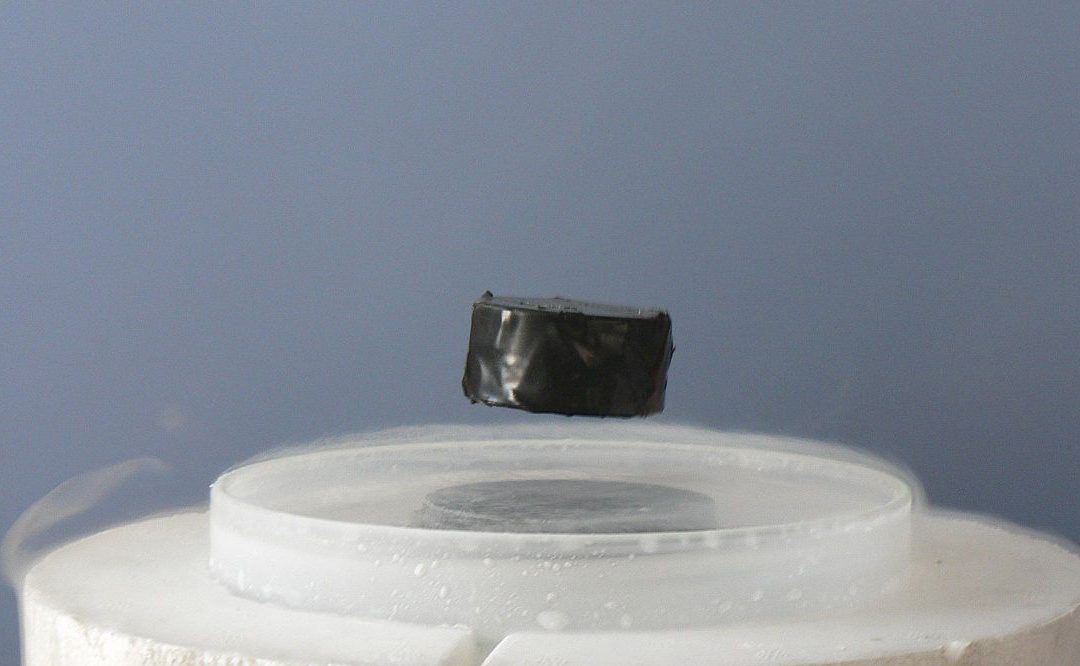

Understanding room temperature superconductivity one step closer thanks to researchers looking at the effects of pressure.
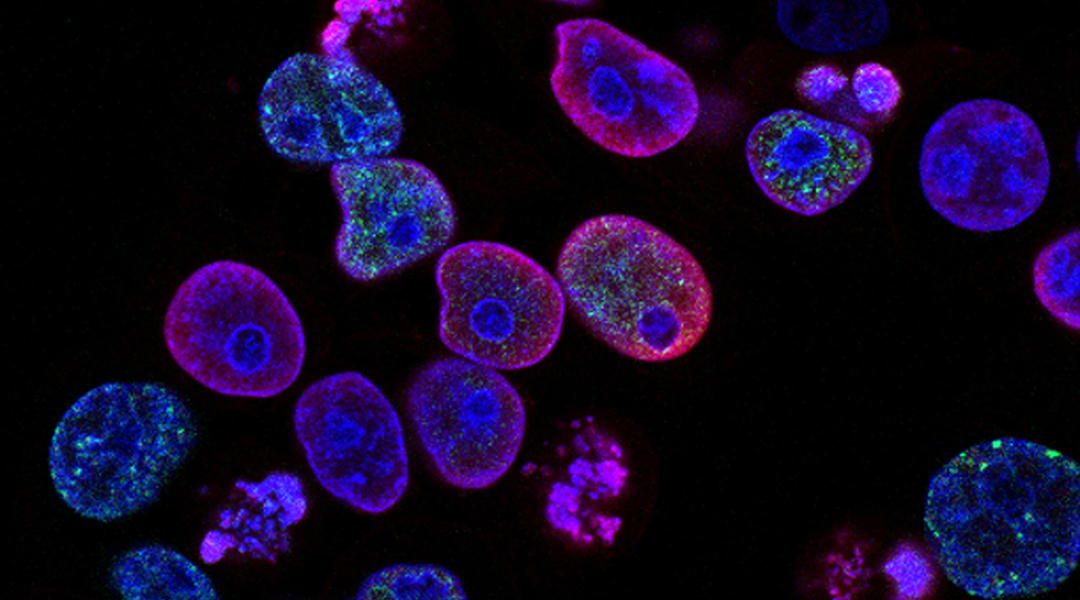
Some tumor cells were found to survive a bout of radiotherapy, eluding researchers by camouflaging as normal cells.

Even light blows from heading a soccer ball can contribute to long term brain injury, highlighting the need for collecting precise data.
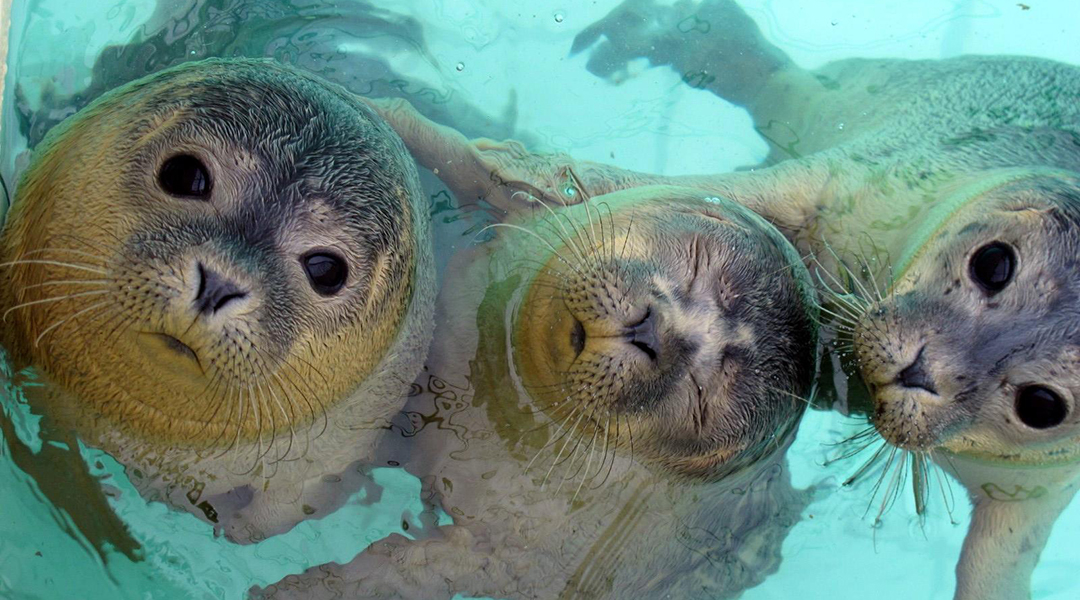
Recreating the bead-like structure of seal whiskers grants scientists insight into new underwater technologies.
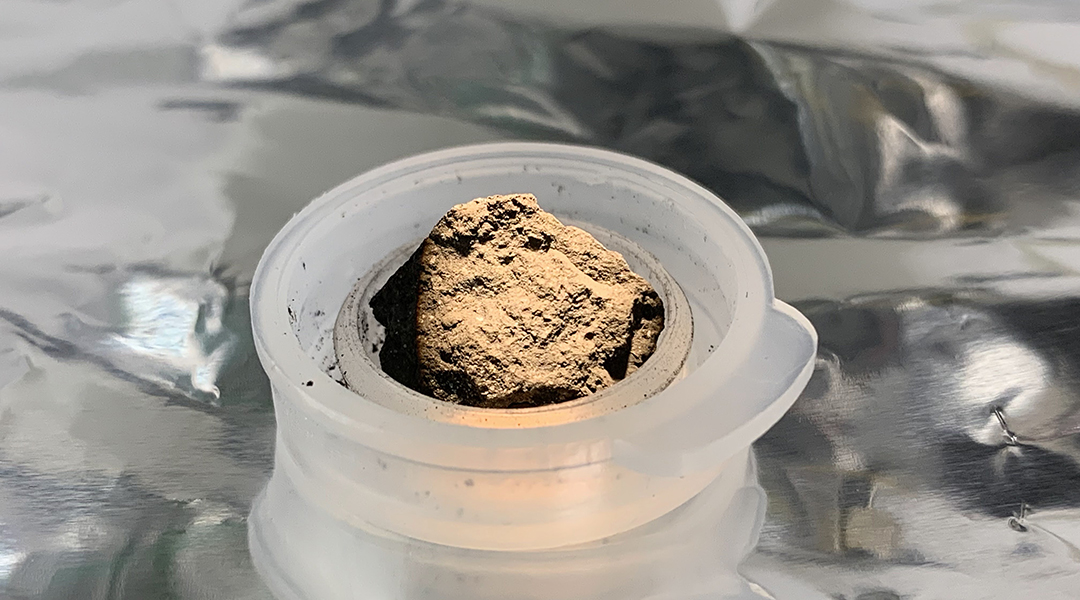
A meteorite that lit up the sky of Gloucestershire contains amino acids, the building blocks of life.
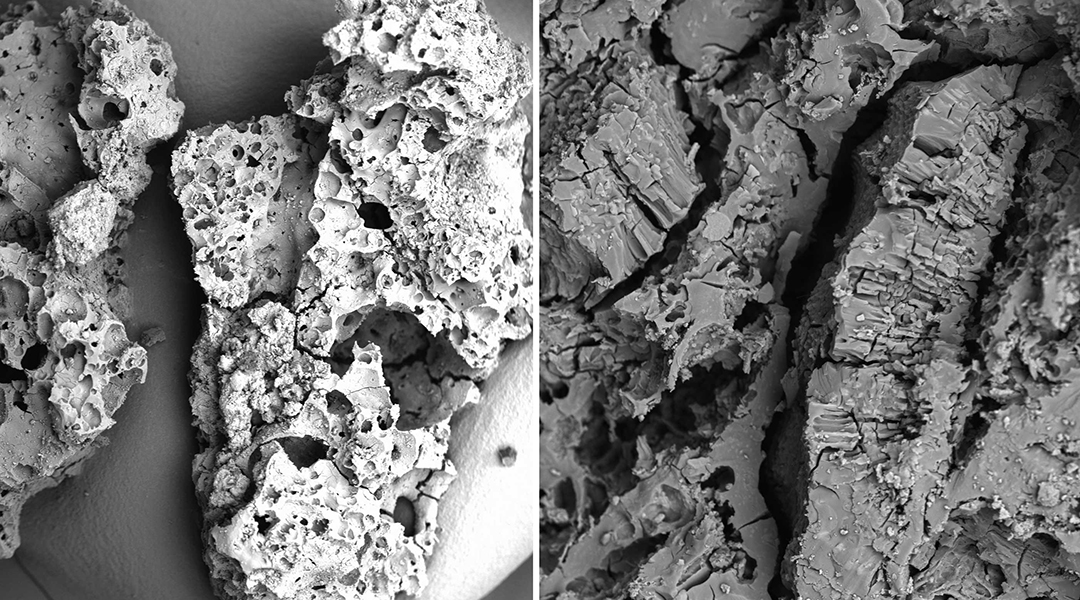
The study of charred remains of processed legumes and nuts gives new insights into the food choices and resource exploitation of Paleolithic humans.
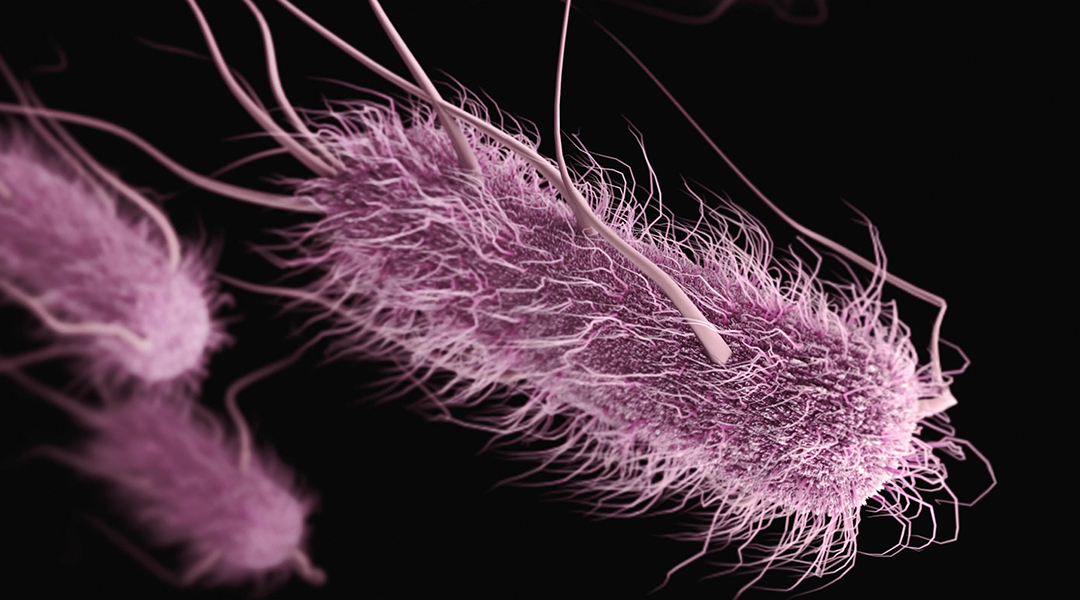
Incorporating polymer skeletons inside bacteria stops them from replicating and results in cyborg cells that are half living, half artificial.
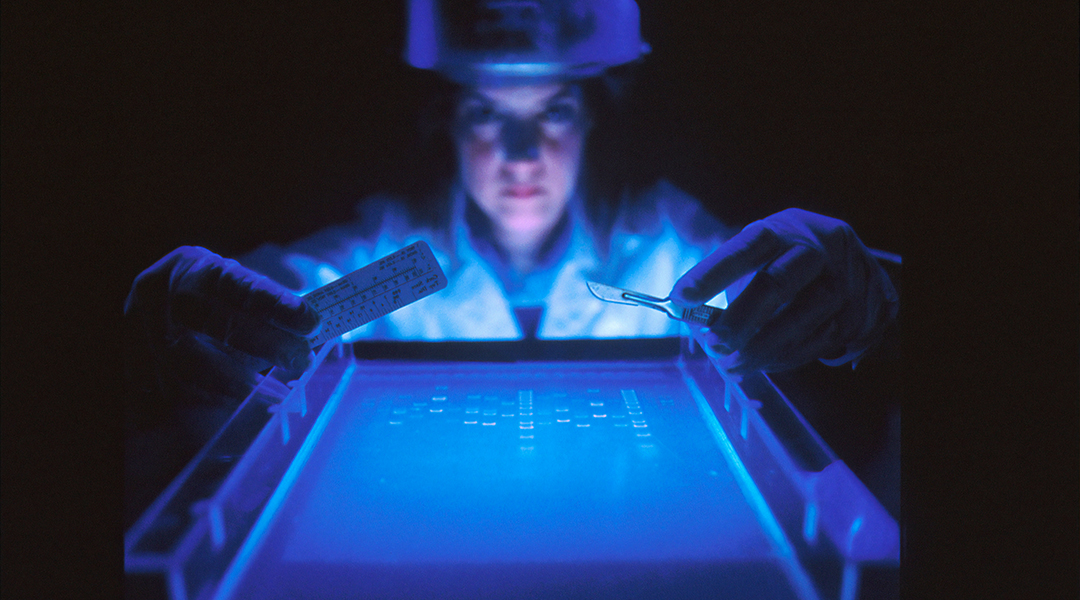
An analysis of 45 million papers and 3.9 million patents since 1945 shows that the rate of disruptiveness in science is steeply declining.
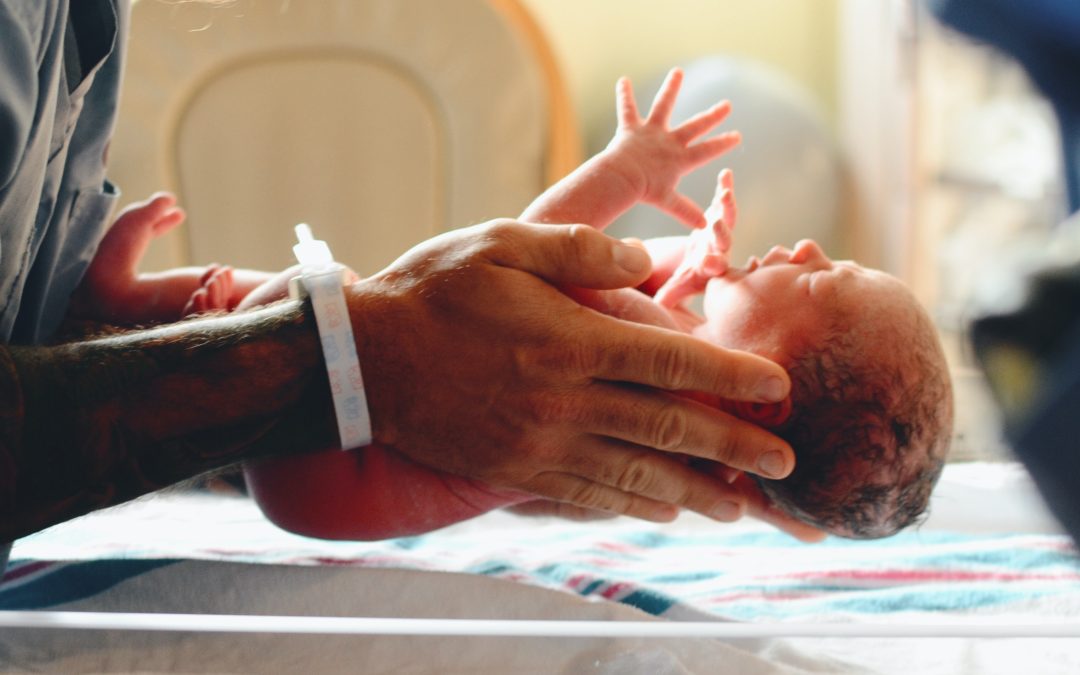
An extensive review adds to the mounting evidence that paid parental leave protects long-term mental health in both mothers and fathers.
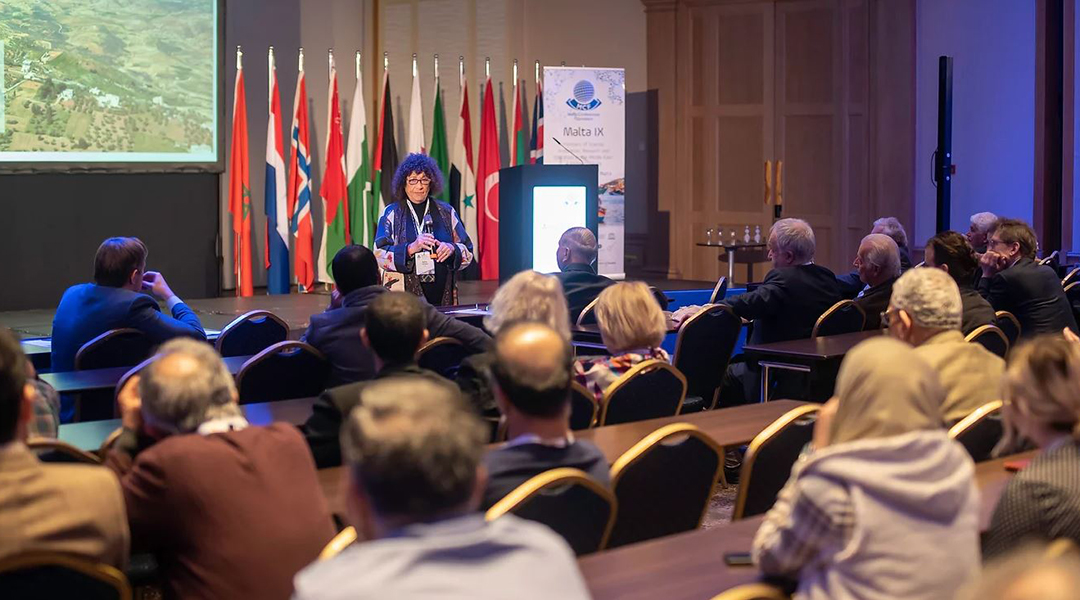
The Malta Conferences offer a unique setting to break down barriers, overcome instilled cultural differences, and support scientists restricted in their freedom.

 Micron-sized hidden dimensions could solve two of physics’ deepest puzzles
 Turning Periods into Power: Menstrual Blood a Valuable Resource for Medical Diagnostics
 Surfactants Steer Supraparticle Structure
 Bone loss in obesity traced to gut microbiota
 Edible electronics realize safe, complex monitoring devices
 Fermilab Confirms Muon g-2 Measurements