Researchers from China have embedded carbon-coated NVP nanoparticles in carbon nanowires to create a promising cathode material for sodium-ion batteries.
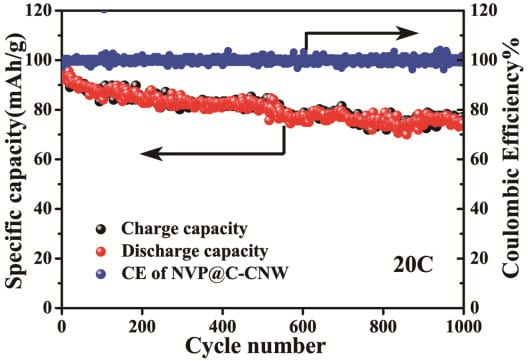

Researchers from China have embedded carbon-coated NVP nanoparticles in carbon nanowires to create a promising cathode material for sodium-ion batteries.
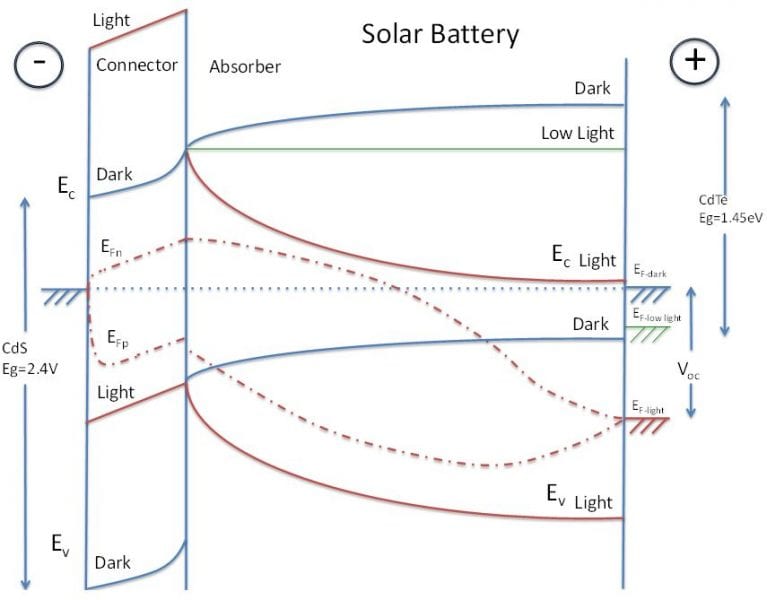
A new solar cell is described that relies on a thin layer of clean CdS in which a high-field domain extracts holes from p-type emitters without having pn-junctions involved. This design is highly advantageous for increasing the efficiency of the solar cell significantly, by avoiding junction leakage and by increasing the open circuit voltage to its theoretical value approaching the band gap at T = 0 K.
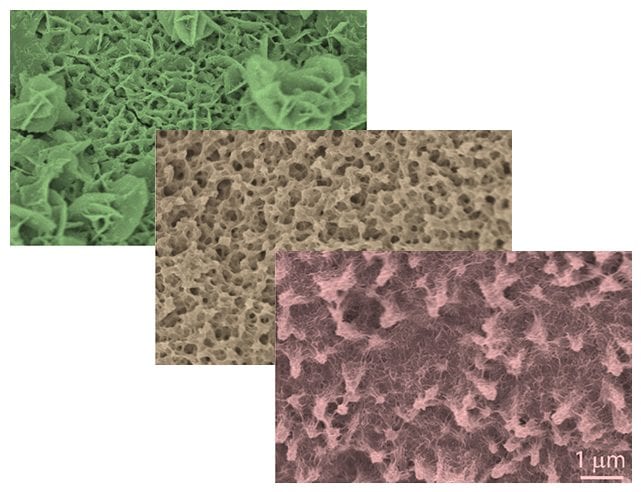
Researchers from Singapore have grown nanoporous nickel sulfide on nickel foam to generate promising electrodes for supercapacitors.
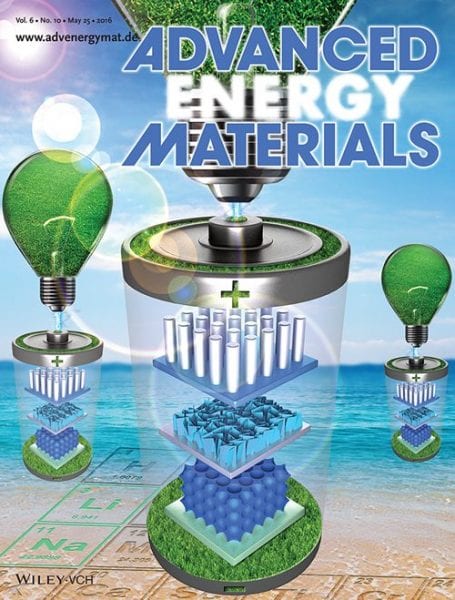
Take a look at the great cover images from the May issues and top five most downloaded articles this month.

GE’s new ZeeWeed* 700B Ultrafiltration membrane for seawater pretreatment, removal of sulfate and suspended solids.
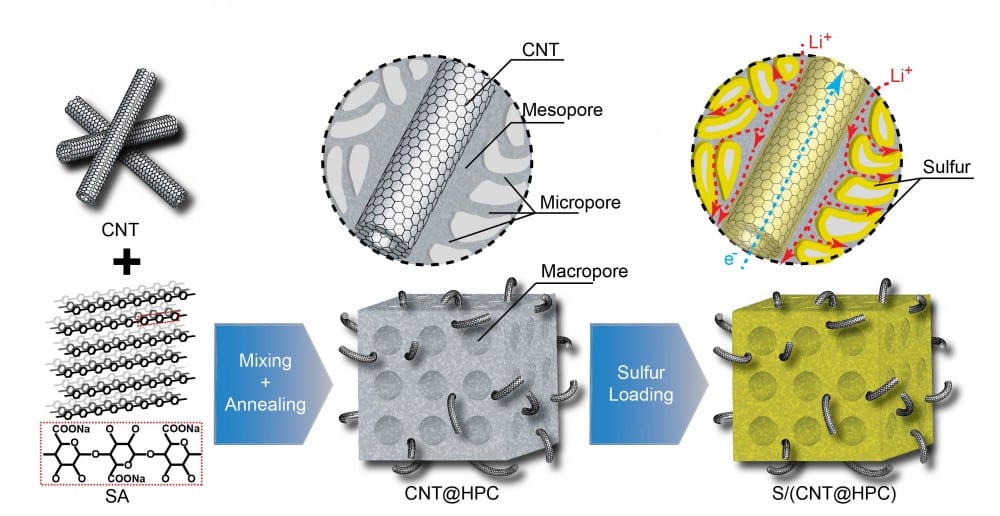
Researchers from the Hefei University of Technology and University of Science and Technology of China have improved the cathode performance in lithium-sulfur batteries by embedding carbon nanotube networks within porous carbon.
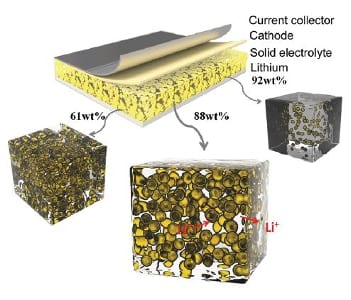
Renjie Chen and co-workers developed a nanogelator-based solid electrolyte that improves the safety of Li-ion batteries.

For the first time so-called thermoelectric materials reliably convert waste heat directly into electricity.
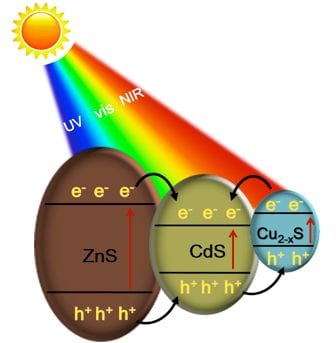
A Chinese research team has recently constructed a unique ternary sulfide heteronanorod through a colloidal chemical transformation strategy.
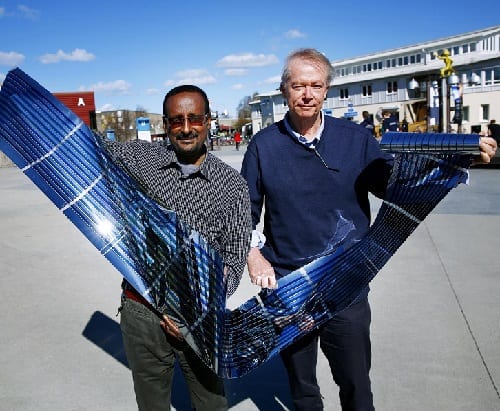
Polymer solar cells could be cheaper and more reliable thanks to Swedish and Chinese researchers.
 New theory suggests gravity is not a fundamental force
 Higgs boson may be driving the Universe’s expansion
 Water-powered gadgets may be on the horizon thanks to new evaporation-based energy device
 Scientists discover a new class of antibiotics
 Micron-sized hidden dimensions could solve two of physics’ deepest puzzles
 A new type of dark matter could explain mysterious radiation from the Milky Way’s core