A highly efficient method to determine the S-matrix of systems modeled by tight-binding Hamiltonians with general leads.
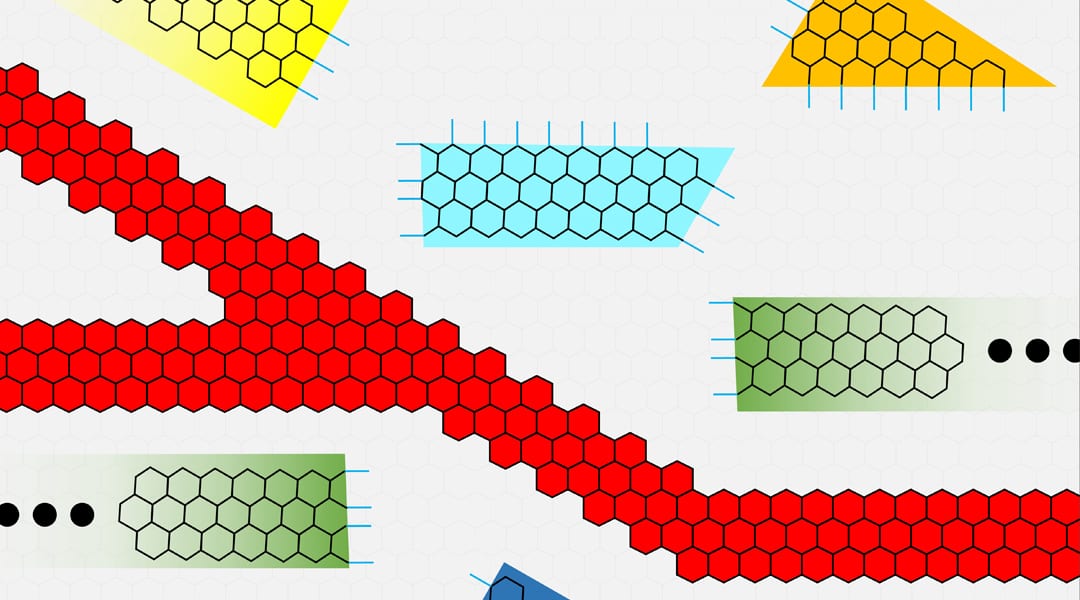

A highly efficient method to determine the S-matrix of systems modeled by tight-binding Hamiltonians with general leads.
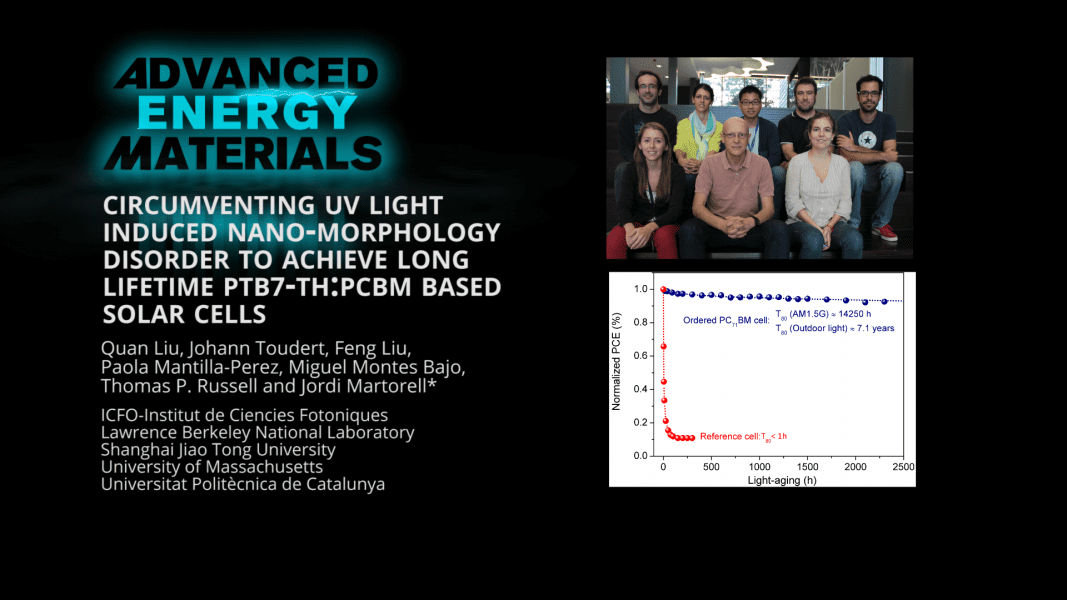
Jordi Matorell and co-workers achieve a longer lifetime of polymer solar cells by addressing the issue and mechanism of UV-induced “burn-in”, a phenomenon linked to rapid degradation of electron transport.
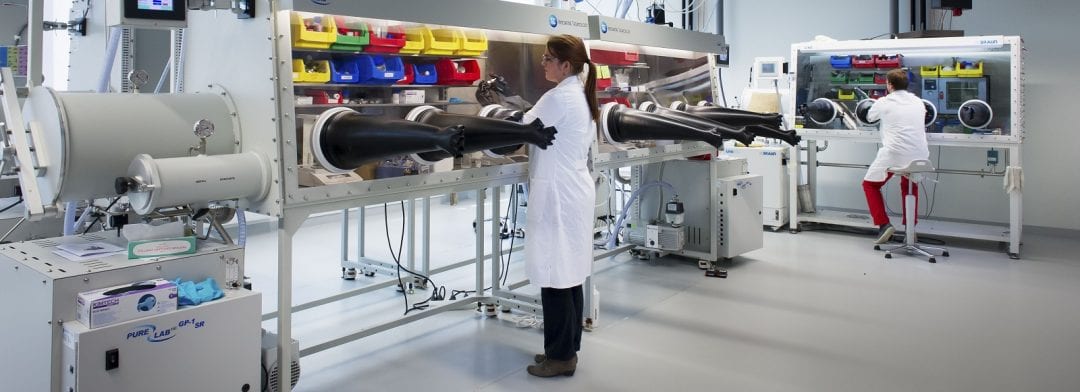
Lab tests show that a novel material based on n organic porphyrin molecule allows batteries to be charged within one single minute.
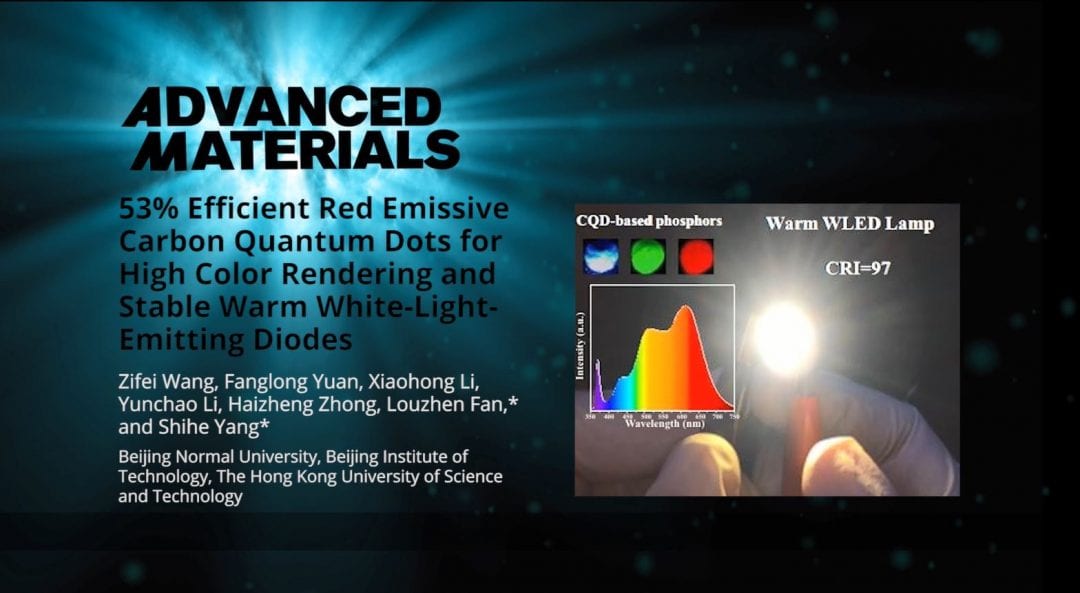
Highly efficient, red-emissive carbon quantum dots (R-CQDs) with a quantum yield of 53% are prepared and a CQD-phosphors-based warm white-light-emitting diode (WLED) is realized for the first time.
Focusing on the photocatalytic hydrogen production from water, as an energy carrier, several factors need to be considered.
Wei Liu and Kaustav Banerjee offer their thoughts on and solutions for the performance problems suffered by HER catalysts.

To address climate change, we need to reduce net anthropogenic greenhouse gas (GHG) emissions to zero as soon as possible; that is, hopefully by 2050 or so.

This month’s Advanced Engineering Materials covers and top papers.

2D hybrid Metal-Halide Perovskite Solar Cells are studied with regards to their light response and the resulting changes occurring in their material properties.

A new journal from the Advanced Materials family covering all aspects of theory and simulation in natural sciences is launching in early 2018.
 New theory suggests gravity is not a fundamental force
 Higgs boson may be driving the Universe’s expansion
 Water-powered gadgets may be on the horizon thanks to new evaporation-based energy device
 Scientists discover a new class of antibiotics
 Micron-sized hidden dimensions could solve two of physics’ deepest puzzles
 A new type of dark matter could explain mysterious radiation from the Milky Way’s core