Canada invests in technologies that can help realize its economic and environmental goals, while providing low carbon fuels to consumers.


Canada invests in technologies that can help realize its economic and environmental goals, while providing low carbon fuels to consumers.

A new nanofluid coating provides an opportunity to reduce energy waste in the next generation of smart windows.

How feasible is hydrogen production using renewable sources of energy?

Oil-rich countries force through compromise at UN climate talks in Bonn, Germany, that many think falls short of acting on key conclusions from last year’s IPCC report.
Chemists have developed a hybrid semiconductor material for efficient and sustainable hydrogen production.
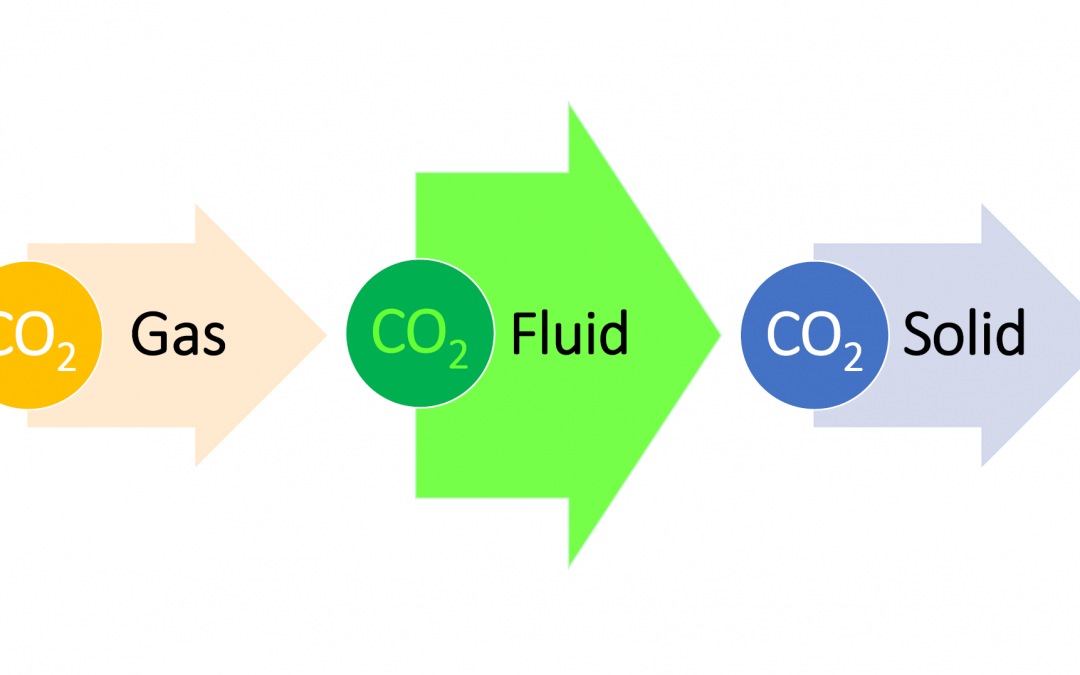
At standard temperature and pressure, CO2 exists as a gas. On cooling to -78.5°C, it becomes a solid called dry ice, which is a common refrigerant. At a critical temperature and pressure of 31.1°C and 72.9 atmospheres, respectively, CO2 becomes a supercritical fluid...
Excellence in Energy invited-only review series just turned 2. These papers come from the top researchers in energy-related fields, and are free to read!

A research group has found a way to turn plastic waste into jet fuel.

Using homogeneous organic dyes as sustainable catalysts opens up new ways for a green hydrogen peroxide-based energy source.

Advanced Engineering Materials presents a Special Section on “Light Materials – Science and Technology”, guest edited by Axel von Hehl et al. The Special Section comprises of 12 articles that highlight the recent progress made in the field of light-weighted materials.


 Micron-sized hidden dimensions could solve two of physics’ deepest puzzles
 Turning Periods into Power: Menstrual Blood a Valuable Resource for Medical Diagnostics
 Surfactants Steer Supraparticle Structure
 Bone loss in obesity traced to gut microbiota
 Edible electronics realize safe, complex monitoring devices
 Fermilab Confirms Muon g-2 Measurements