Waterbodies such as oceans, lakes, rivers and aquifers represent large reserves of thermal energy, which can be used to heat or cool nearby buildings and infrastructure.


Waterbodies such as oceans, lakes, rivers and aquifers represent large reserves of thermal energy, which can be used to heat or cool nearby buildings and infrastructure.
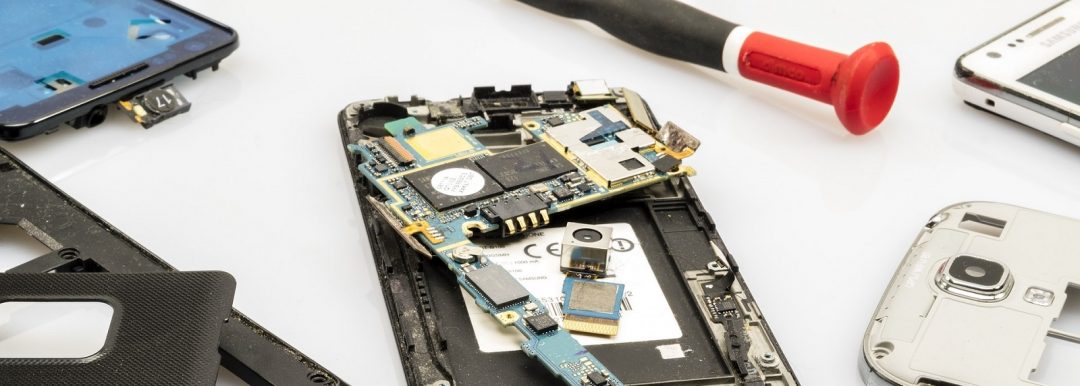
Reconditioning smartphones and tablets extends the product lifecycle and makes a significant contribution to the protection of both the climate and resources.

acatech describes in a position paper what measures can help to become more independent of raw material imports.
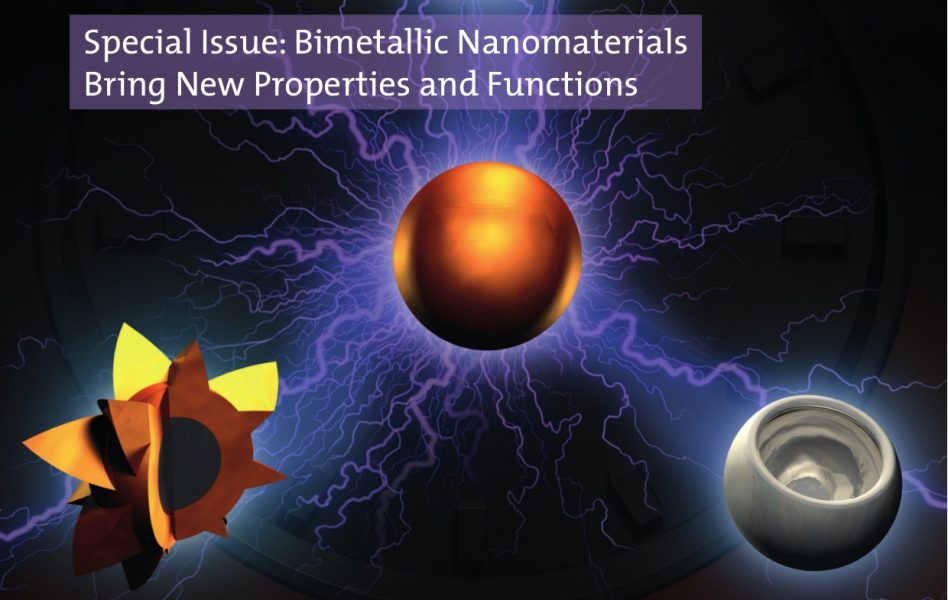
Recent developments and perspectives on bimetallic nanomaterials highlighted in Particle & Particle Systems Characterization.
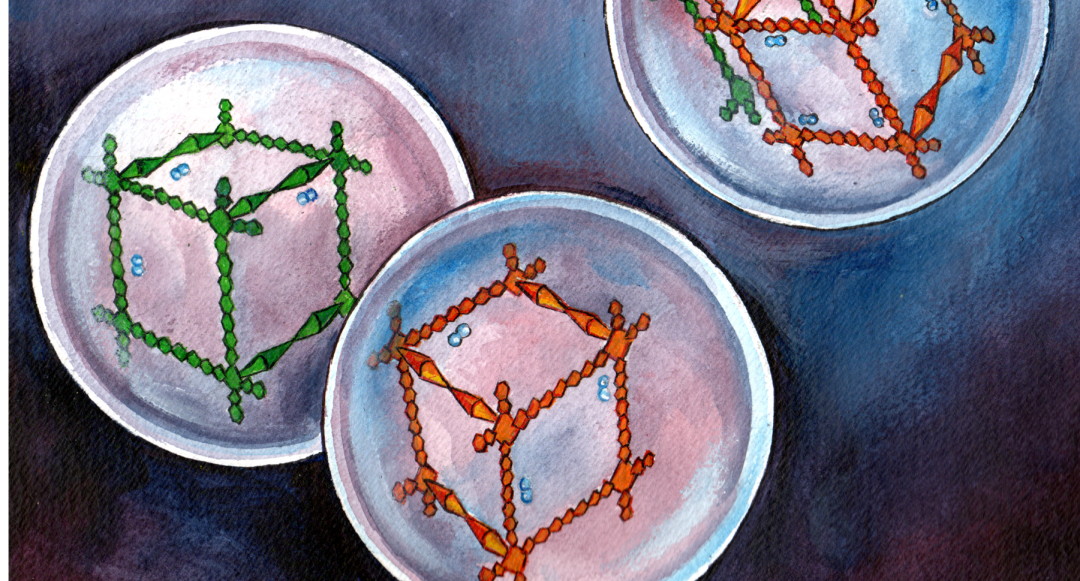
Interview with Dr. Karsten Müller and Timo Rüde of the Friedrich-Alexander-Universität Erlangen-Nürnberg, Germany about their recent work on liquid organic hydrogen carrier (LOHC) systems and the recent Special Issue of Energy Technology on Hydogen Storage Materials, Carriers, and Processes.
If scientists’ dreams came true, everyday items such as mobile devices, clothing and vehicles would be equipped with flexible solar cells.
The principle of a ceramic fuel cell and the most important microscopic techniques for analyzing these devices are presented.

A significant archaeological phenomenon represented in Sardinia Island by the construction of impressive prehistoric monumental buildings identified as a cult site.

In the current Austrian and German market design, suppliers submit a three-dimensional bid that consists of a power offer (MW), a power bid (Euro/MW) and an energy bid (Euro/MWh). The scoring rule, which determines the winners of the auction, is based on the power bid exclusively, and pay-as-bid pricing is applied, i.e., an awarded bidder receives the bid figure.
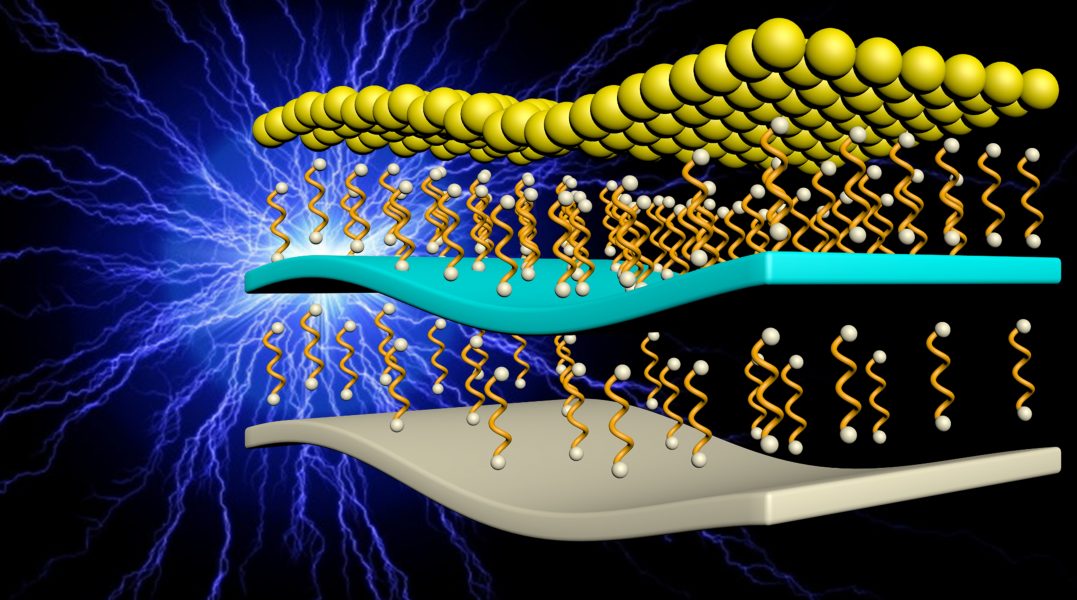
Arumugam Manthiram of the University of Texas at Austin was a Web of Science Highly Cited Researcher for 2017. Hear what he has to say about the problem of polysulfide shuttling in sulfur-based battery systems.
 Micron-sized hidden dimensions could solve two of physics’ deepest puzzles
 Turning Periods into Power: Menstrual Blood a Valuable Resource for Medical Diagnostics
 Surfactants Steer Supraparticle Structure
 Bone loss in obesity traced to gut microbiota
 Edible electronics realize safe, complex monitoring devices
 Fermilab Confirms Muon g-2 Measurements