Implementing fully-inverter-based power systems on a large scale may be possible using wind and solar power.
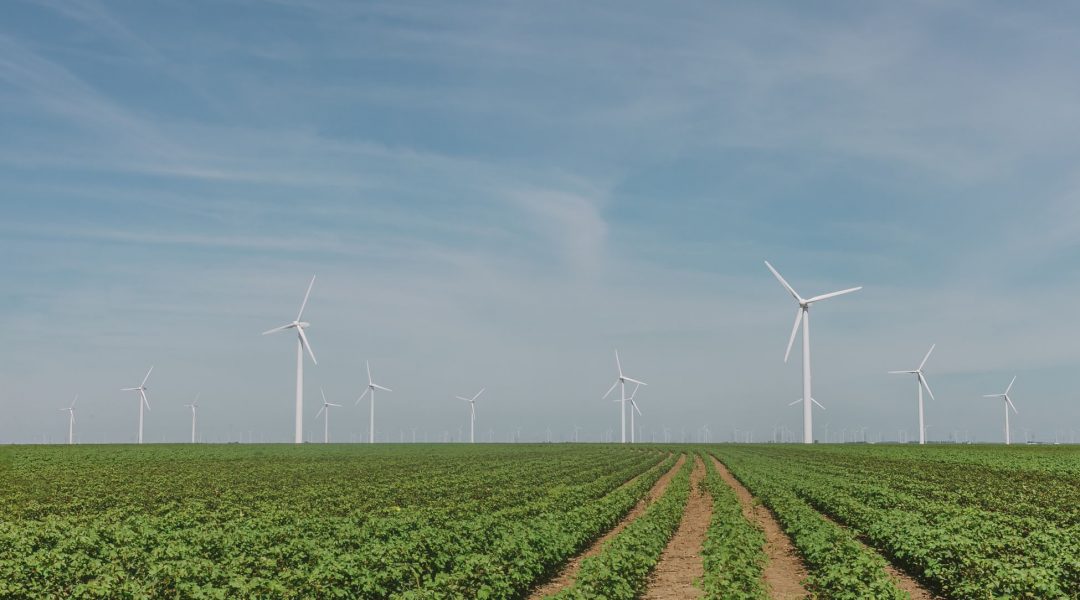

Implementing fully-inverter-based power systems on a large scale may be possible using wind and solar power.
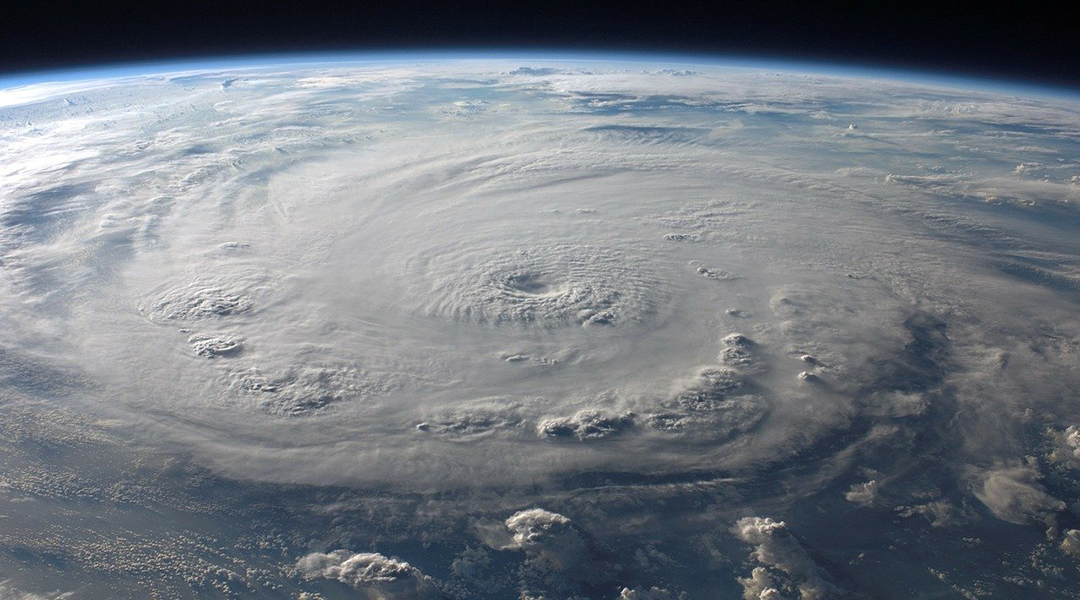
Scientists model the effects of spraying aerosols into the stratosphere and discover some unintended consequences.

Pollutant transport in water bodies is a complex process — computational models called FADEs provide an accurate modelling solution.

A new filter structure that expands and contracts as moisture levels change provides the first steps in create humidity-responsive smart windows.

Zinc metal batteries built using a novel hydrogel electrolyte show remarkable performance and processability, making them suitable for the next generation of wearable energy storage devices.

A bio-inspired addition to concrete stops the damage caused by freezing and thawing.

Experiments find the sweet spot for surface area and bubble trapping to create more efficient water-splitting devices.

Chemical transformation of waste plastics into value-added chemicals can be a convenient avenue to supplement current recycling processes.
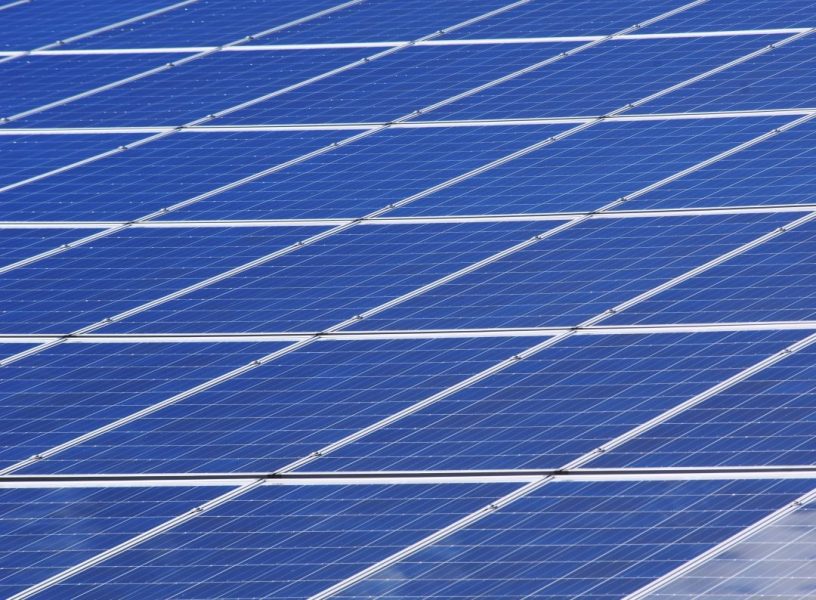
A group of researchers from Freiburg present a new tandem solar cell to break through current theoretical limits..

In the Himalayas, where the ontology of water is not always premised on the creations of boundaries between nature and culture, the condition of water, whether abundant or scarce, has key implications for cultural life.
 New theory suggests gravity is not a fundamental force
 Higgs boson may be driving the Universe’s expansion
 Water-powered gadgets may be on the horizon thanks to new evaporation-based energy device
 Scientists discover a new class of antibiotics
 Micron-sized hidden dimensions could solve two of physics’ deepest puzzles
 A new type of dark matter could explain mysterious radiation from the Milky Way’s core